Chain mail, metal armor, body armor – all this is associated with protection and safety. But the Chinese found an alternative to them by creating paper armor, which they valued so highly that they were willing to give up two steel ones to get one paper one. A strength check confirmed: they really are not inferior to a millimeter steel plate, and sometimes they benefit from lightness. The secret lay in the method of manufacturing the unsurpassed hanzhi, which was called the “paper of a hundred strokes” because it was the hundredth operation that was final when the material reached the hands of the master.
Paper armor for the army in the 11th century
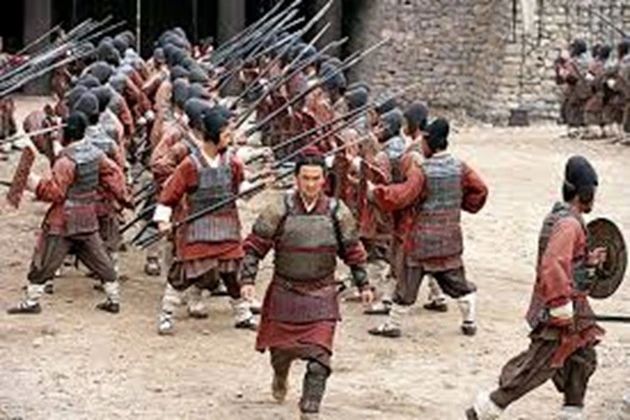
The barbarians used the skin of animals to protect their bodies from rivals, and the Chinese invented paper armor. They have been known since the 6th century BC, but the confirmed fact of their existence was that the governor of Su Xuan in the 9th century maintained an army of 1,000 soldiers dressed in paper armor. The same armor was used in the 10th century by the Chinese army, which stopped in Anhui province, famous for making paper. By order of the command, 30,000 sets were made for him, which included breastplates, shoulder pads, knee pads, greaves, and bracers. That is, all vulnerable parts of the body were covered with paper equipment.
It turned out that they could really defend well against weapons that existed in the early Middle Ages: arrows, swords, spears and the first powder guns. In the 12th century, Judge Chen De Xiu even asked the central government to exchange 100 sets of iron armor for 50 sets of paper armor.
Hanzhi’s paper for armor
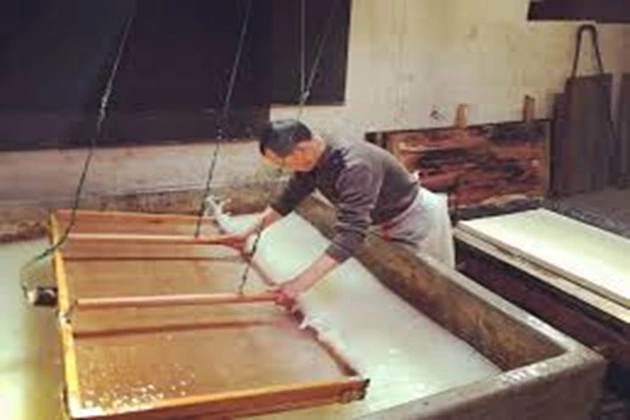
Paper is a sheet that is easy to tear. But if you put it in several layers, the task becomes more complicated, and with each subsequent layer it becomes almost impossible. This applies even to the most common modern paper. In ancient times, the paper was different, and a special, stronger one was used for armor. Made in China or Europe, Korean hanzhi paper was superior, made from mulberry bark, which underwent about a hundred processing stages before it was ready for use. Its main advantage was that it consisted of long, single fibers. The tree was chopped, steamed, the bark was removed, soaked in running water, then boiled, dried, beaten, rolled, bleached, and so on until perfectly clean and durable paper was obtained. Its durability has been proven for centuries, because scrolls from it have survived to our time.
As for the armor, it was the integrity of the fibers that increased the density of the paper. It was enough to put it in several layers, and then it became very hard. Initially, hanzhi was used by peasants in everyday life – they made clothes from it, closed walls, windows and doors from the cold, made fans, boxes, pencil cases, bowls and other utensils, until it came to battle armor.
15-layer durability: impenetrable protection from arrows and sword
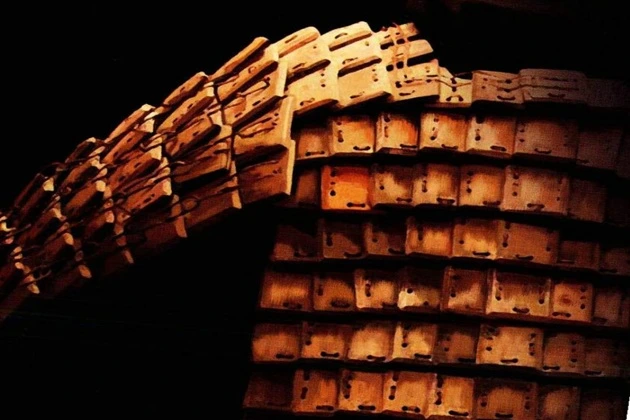
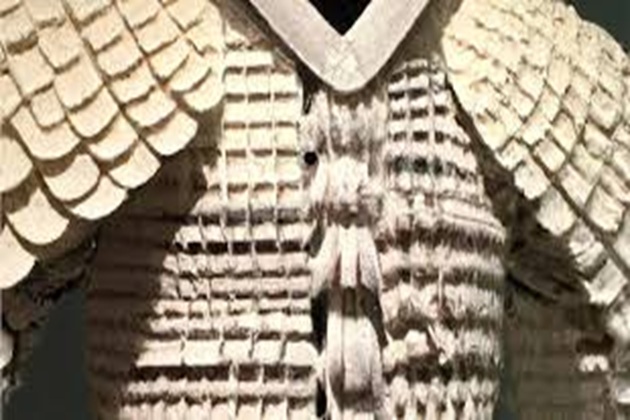
Armor was made from plates, folding paper into rectangular or square shapes in 10-15 layers. Their thickness depended on which part of the body they were superimposed on. The most vulnerable areas–shoulders, chest, arms, and back–were covered with thicker plates to withstand the impact. The layers of paper were glued together, although scientists still have not been able to figure out the composition of the glue. He could further strengthen the paper by impregnating it and turning it into a difficult-to-penetrate material.
The plates were stitched or joined with rivets, while overlapping one another like scales, creating armor elements. Their durability turned out to be real, not far-fetched. When compared, paper armor was not inferior to millimeter-thick steel armor. They withstood thrusting weapons and partially firearms, although the paper armor missed a .45 caliber bullet, but there were no such bullets in the early centuries. Back then, they fought with spears and swords, shot with bows, and a straight arrow could not penetrate the layers of paper armor. This once again proved the strength of hanzhi, which is entrenched in the Chinese saying that paper lasts for a thousand years and silk for five hundred, although it is able to deflect blows.
Sunset of Paper Armor
Korean mulberry paper was called hanzhi to distinguish it from other paper for writing or imported European paper, which were much inferior to it in strength. Making hanzhi was a troublesome business, and armor took a lot of material. Despite its strength, the armor was not as durable, although it was comfortable, because the torn part could easily be replaced with another, and this was one of the advantages of paper armor. But they were infested with bugs and cockroaches, and they couldn’t stand water, no matter how sturdy they were.
Time brought new technologies, while the weapons were improved. The paper armor could no longer withstand the blows of the new crossbows, which launched steel-tipped bolts with powerful penetrating force, piercing even steel, let alone paper protection. The Chinese had to return to steel again, although they were much heavier than paper ones. Later, the advent of cheap paper eliminated the need to make hanzhi.