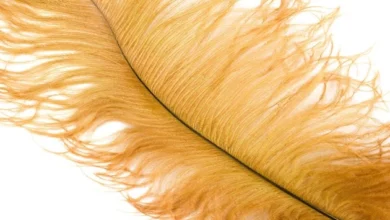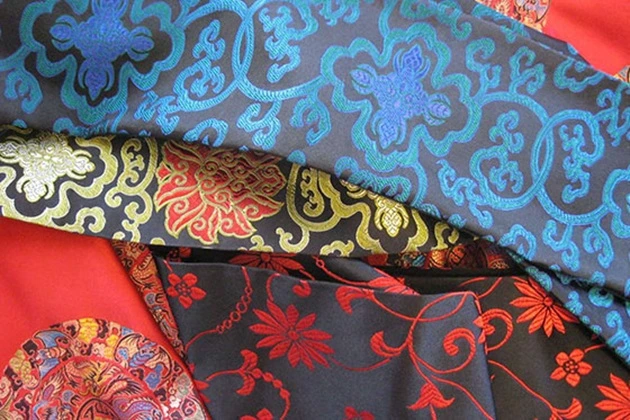
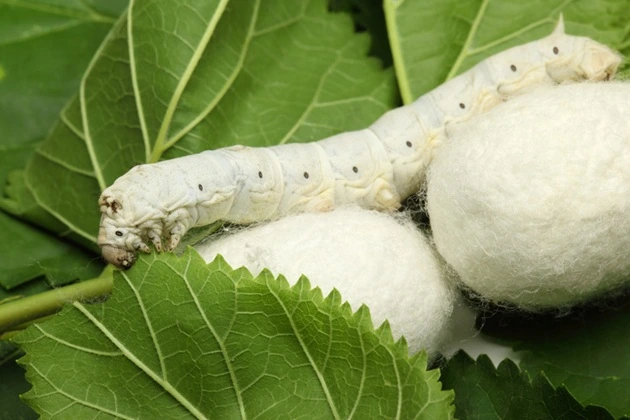
In ancient times, silk was considered a great luxury because, as in all times, silk threads for humans were created by silkworm caterpillars, weaving a cocoon from them. To make even a small piece of silk, a thread of thousands of such cocoons was required. Therefore, when the technique of silk fabric production was beginning, it was very expensive, and only very rich people could afford to have silk clothes.
The oldest traces of silk in China
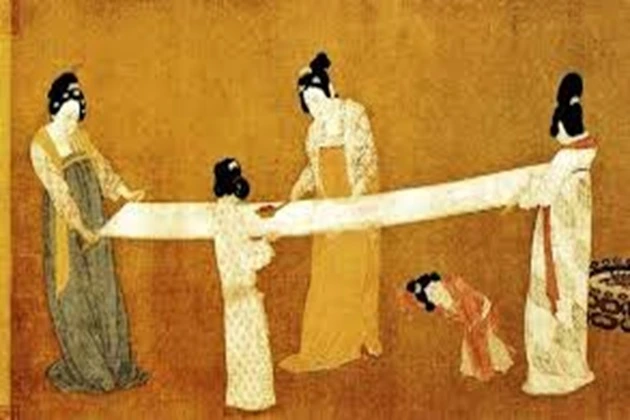
Silk is believed to be native to China, where it was discovered around 2700 BC by Empress Leizu, the wife of the Yellow Emperor. According to legend, when she was drinking tea in the shade of a mulberry tree, which is a food for silkworms, one cocoon accidentally fell into her cup and dissolved in hot water, turning into a shimmering thin thread. This led her to the idea of using threads obtained from silkworm cocoons to produce fabrics.
And although this story is attributed to Confucius, one of the most famous philosophers and politicians in China, modern experts believe it is just a beautiful legend. Silk has always been such an exotic, prestigious, and expensive product that many myths and legends have been associated with it, but who first came up with the idea to collect and later breed silkworms to weave luxurious fabric from their cocoons remains a mystery. However, it is well known that China is the birthplace of silk.
More than five thousand years ago, silkworms began to be studied there, mulberry trees were grown for their food, and tools such as a silk spinning reel and a loom were invented. This led to the development of a lucrative silk industry, which was initially exclusively run by women. The legend of the cocoon in the Leizu cup was carefully maintained; she was revered as the goddess of the silkworm, and altars were erected to her throughout China.
For four thousand years, the Chinese have considered silk to be an unsurpassed luxury material. Initially, only emperors were allowed to wear it. Later, this privilege extended to the highest dignitaries. But as production technologies improved, the use of silk became more widespread, although not everyone could afford it – silk was considered more than just a luxury item, it was more valuable than gold, and was used in China as currency, tax payments, and service awards.
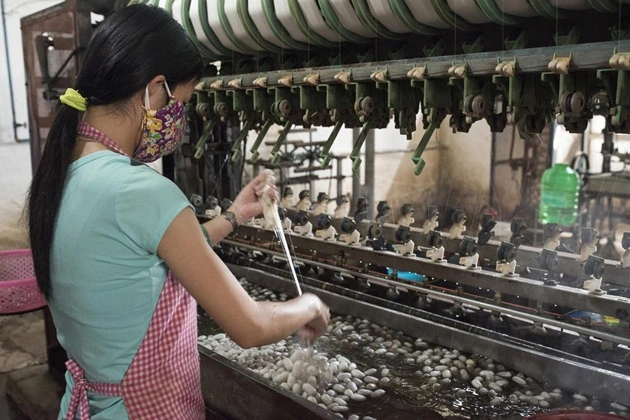
Gradually, China’s silk industry reached such a level of development that silk began to be used everywhere, and European travelers were amazed at how deeply silk fabrics were woven into everyday life. Visit. A F R I N I K. C O M . For the full article.
When and where did large-scale silk production begin
In the 2nd century BC, the emperors of the Han dynasty, besieged by nomadic barbarians, needed allies and horses. To acquire both, the Chinese decided to open up to the outside world and start trading silk. Thus, the Silk Road was born, connecting the Han Empire in the east with the Roman Empire and all the states between them, thanks to which silk fabrics began to spread to the west.
They were readily bought in different countries for a lot of money, but the Chinese continued to keep silk production a secret, forbidding even conversations on this topic on pain of death. The buyers were at a loss as to the origin of this wonderful fabric. The Romans and Greeks were convinced that the Chinese were making threads from the leaves of trees.
For seven centuries, silk production technology was hidden, but at the beginning of the sixth century AD, during the reign of the Byzantine Emperor Justinian, several silkworms were brought to Constantinople by a pair of Nestorian monks. They smuggled them in a hollow reed and handed them over to the emperor along with the secret of their cultivation and production of silk threads.
This marked the beginning of the development of the silk industry in the Roman Empire, but it did not put an end to Chinese dominance in the silk trade, as Byzantine silk was of lower quality than Chinese silk. Over the centuries, the Chinese have learned how to grow silkworms better, have created a stable and sustainable infrastructure for the production of fabrics, and, most importantly, they have been able to create a silkworm cocoon in one long, thin thread, rather than dividing it into many tiny fibers, from which coarser fabrics were obtained. The Romans could not learn this science, but they began to dye silk threads with murex, giving them a peculiar shine, so Byzantine purple silk was considered a special, unique luxury item.
The popularity of silk was promoted not only by the beauty of the fabrics, but also by the belief in its medicinal properties
Over time, silk cultivation spread further. After several centuries, silk fabrics began to be produced throughout the Middle East. By the Renaissance, they began to be produced almost all over Europe, although it was much more difficult to grow silkworms in Europe, since the mulberry trees that feed them grow poorly in cold climates, so Chinese silk was still considered the best and was in demand.
Silk has long been renowned for its elegance and comfort, but its popularity has also been boosted by people’s belief in its medicinal properties and its unique energy, which significantly improves well-being. Although this has not been scientifically proven, people have long noticed the healing properties of silk fabrics, which have a wide range of beneficial effects on humans. It is believed that by touching the body, silk promotes emotional balance, calmness, and a positive attitude, improves mental clarity, and reduces stress.
Due to its natural origin and breathable structure, silk provides thermal balance in any weather, helps maintain ideal body temperature, and keeps skin dry, providing pleasant coolness in summer and warmth in winter. It acts as a protective layer, scaring away dust mites and countering bacteria and mold, so it is great for people with sensitive skin and for people prone to allergies.
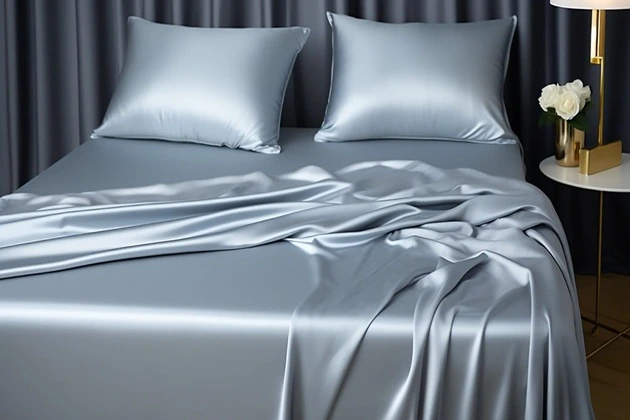
Silk fiber has a smooth surface, and it is extremely thin, which makes it ideal for pillowcases, as it reduces the pulling and pulling of hair at night. Silk sheets and scarves have also been shown to reduce hair damage, as the molecular structure of silk is similar to the collagen fibers of human skin.
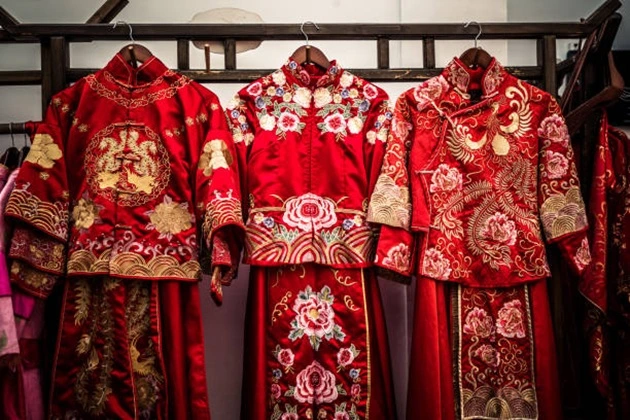
Simultaneously with the development of silk production in China, the art of embroidery was born, which was created for the court and the imperial family, and was also associated with religious ceremonies. The art of the legendary Suzhou silk embroidery is still considered unsurpassed and is famous all over the world for its rich patterns, numerous stitches, and elegant technique.