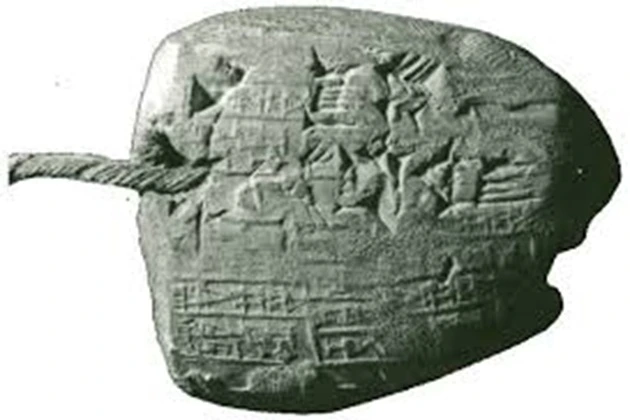
New archaeological finds on the territory of ancient Mesopotamia may indicate the existence of a highly developed civilization that perished as a result of a global cataclysm approximately 20,000 years ago.
During excavations in the 1930s at Tell Farah (Iraq), a thick layer of yellow clay and sand was discovered beneath the layers of the 5,000-year-old Sumerian settlements. According to scientists, this is a clear sign of a large-scale flood. Similar layers of flooding have been discovered in other key archaeological sites, including Ur and Kish (Mesopotamia), Harappa (Indus Valley), and ancient Egyptian settlements along the Nile.
According to independent archaeologist Matt Lacroix, an event approximately 20,000 years ago may have triggered the simultaneous emergence of flood myths in various cultures worldwide. Visit. A F R I N I K . C O M . For the the full article. The recurrence of similar deposits on different continents suggests a global catastrophe.
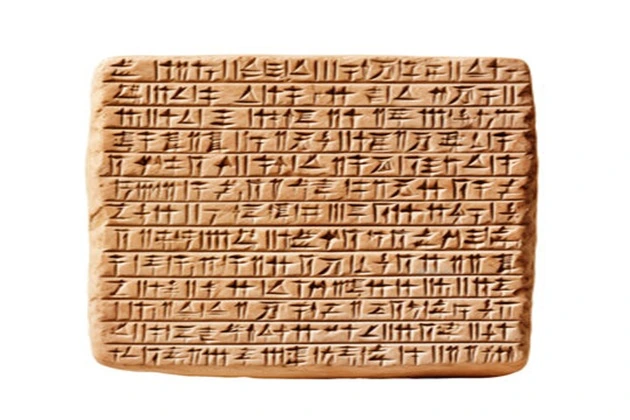
Excavations revealed layers of settlements up to 2 m deep. Of particular interest are the artifacts found under the “flood layer”. These are proto-cuneiform tablets, polychrome ceramics, and vessels of the Fara II style. The findings indicate a more developed culture than previously thought. The sharp differences between the artifacts below and above the flooding layer indicate a possible cultural gap.
Leading archaeologists, including Eric Schmidt of the Pennsylvania Museum, note that the absence of human remains in the disaster layers may indicate that the population managed to evacuate before the disaster. If the theory is confirmed, scientists will have to revise the dates of the origin of human civilization in Mesopotamia, at least 8000 years back.
It was believed that the first cities in Mesopotamia emerged approximately 5,000 to 6,000 years ago. Ancient Sumerian texts describe Shuruppak, whose remains were found at Tell Farah, as a “pre-flood city” where Ziusudra, the Sumerian equivalent of Noah, is said to have lived.