Daily life in Ancient Rome: A glimpse into the past
Prominent rulers, such as Julius Caesar, and eloquent senators, like Cicero, often dominated the history of Ancient Rome. However, these people led an empire of millions of ordinary citizens, who, as a rule, were more concerned with providing themselves with daily bread and enjoying life than with conquering the world.
A look at the lives of typical Roman citizens reveals a culture that in many fundamental aspects is not so different from ours; the ancient Romans worked, played, socialized, and expressed themselves, although often quite rudely. Here are six facts that offer insight into what it was like to be an average citizen of one of the world’s largest and most influential empires.
6 fascinating details about the appearance of Ancient Rome
1. No matter where you went, you could always find a public bath
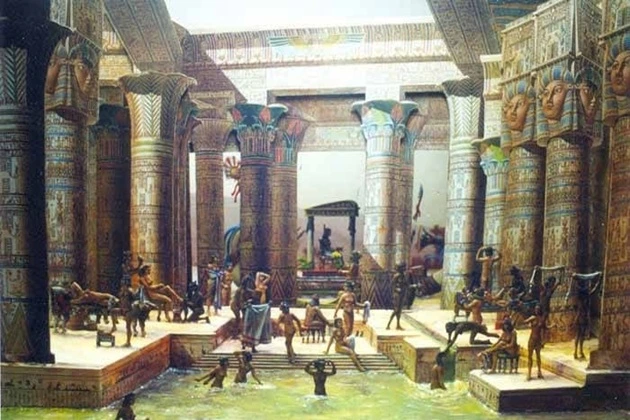
The Romans were skilled architects of public baths, known as thermae. These were complex structures with elaborate heating systems, where Romans from all walks of life gathered to relax, socialize, and, of course, freshen up. Bathing in the Roman baths was not just water immersion — it was a whole process. The visitor could start by doing a few light exercises, followed by a hot bath, then a warm bath, and finally a cold bath.
Alternatively, they could spend time in a steam bath or order a massage. Public baths were an integral part of Roman culture, and some townspeople even considered them a symbol of Roman identity. They were such an essential part of everyday life that they were built in almost every corner of the Roman Empire, even in its most remote regions. Roman baths could be found as far north as the British Isles and as far south as Egypt.
2. The empire’s cities were filled with graffiti
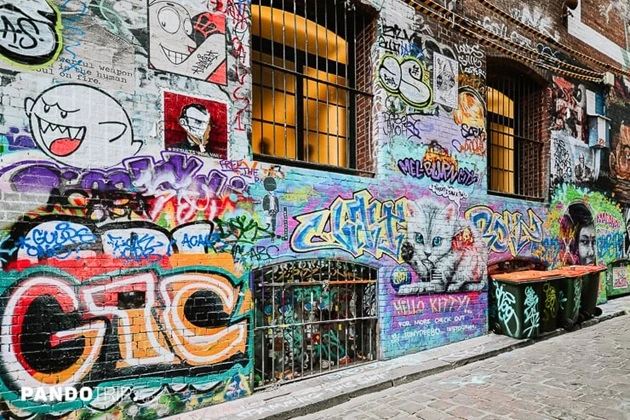
Archaeological finds in well-preserved ancient Roman cities such as Pompeii and Herculaneum show that, like people in modern society, the inhabitants of Ancient Rome loved to express themselves with the help of good old graffiti. Since the ancient Romans lived several millennia before the invention of spray paint, they had to be content with scratching their drawings and messages onto plastered surfaces in the cities of the empire.
Graffiti carved by ordinary Romans can be found on the walls of bars, public baths, and other public places where people typically gathered to socialize. Visit. A F R I N I K . C O M . For the full article. Ancient Roman street art ranged from simple stick figures and animal drawings to colorful jokes and R-rated insults.
While some of the most famous Romans, such as emperors and politicians, were immortalized with huge monuments and majestic statues, graffiti was often the most effective way for the common people to leave their mark on the world. Many ancient graffiti artists included their names in the messages they left so that they would be remembered by future generations — even if it was just a rude boast or a coprological joke.
3. The Roman workday ended at noon

The ancient Romans did not have a clock with which they could count the hours in a day. Instead, they kept track of time using the position of the sun and used devices such as sundials to divide day and night into 12 evenly spaced units called “hora” (hours). Since tracking the sun was the primary method of timekeeping for Roman citizens, the working day was based on the positions of the sun that were easily measurable with the naked eye, such as sunrise, noon, and sunset.
For this reason, an ordinary citizen usually started his working day at dawn, which meant the first “mountain” of the day, and finished work at noon. Thus, the rest of the day was open for leisure, and citizens from all walks of Roman society could spend this time attending sporting events, theatrical performances, and the most important public baths.
4. The Roman people loved to gamble
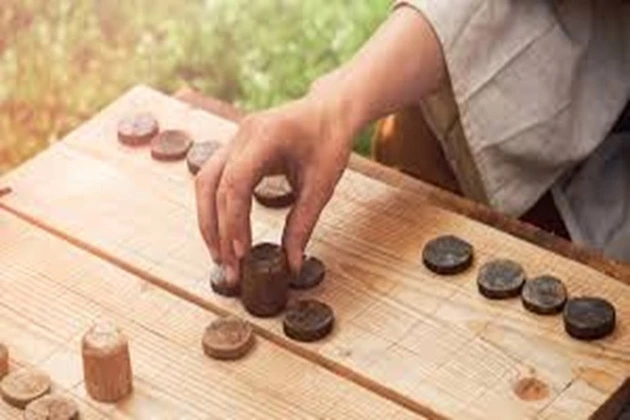
The love of gambling spread to all strata of ancient Roman society. Less affluent citizens bet on a wide variety of board games and dice, which were played in taverns, on city streets, and in other public places, while the rich built private gaming halls in their homes. The Romans also often placed bets on the outcome of gladiatorial fights and chariot races. (For the most part, only men were allowed to gamble, although women were allowed to gamble during special holidays.)
Even Roman emperors took part in gambling. Rulers such as Augustus and Nero were known for their gambling habits and betting small fortunes on a single roll of the dice. The Roman Emperor Claudius even ordered a carriage with a gaming table to be able to play during the journey.
5. The Roman forum was the center of public life

Due to its location in the very center of the city, the Roman Forum was the literal center of everyday life in ancient times. Here, a typical Roman citizen could shop, socialize, and find entertainment. It was also the venue for most of the city’s public gatherings, Roman courts, and meetings of the Roman Senate.
Moreover, the forum housed some of Rome’s most important religious sites, including numerous temples dedicated to Roman deities. In other words, if you were a Roman citizen, you would most likely often visit the forum for various reasons, from everyday business to grandiose citywide ceremonies.
6. There was a temple where citizens could go to worship Caesar

One of the prominent temples in the Roman Forum was dedicated not to the worship of a mythological god, but to the former dictator of Rome, Julius Caesar. During the funeral games held in honor of Caesar shortly after his assassination in 44 BC, a comet appeared in the sky for seven days, which the Roman population interpreted as a divine omen that Caesar’s soul had ascended to the status of a deity.
This widespread view that Caesar had become virtuous was consolidated two years later, in 42 BC, when the Roman Senate officially proclaimed him a deity. After that, a temple was built in the forum in honor of Caesar. There was even an altar where Roman citizens offered sacrifices to the divine leader, just as they sacrificed to the supernatural Roman gods, such as Jupiter and Saturn.