The tourism business supports the economies of many countries rich in attractions. But he also has a dark side that threatens the destruction of these historical relics: garbage, graffiti, theft, and vandalism. Some of the world’s greatest wonders, listed as UNESCO World Heritage Sites, have already suffered irreparable damage. Here are some famous tourist spots that have been irretrievably damaged by mass tourism over the last century.
5 iconic historical sites affected by mass tourism
1. Cave paintings in the Lascaux Cave, France
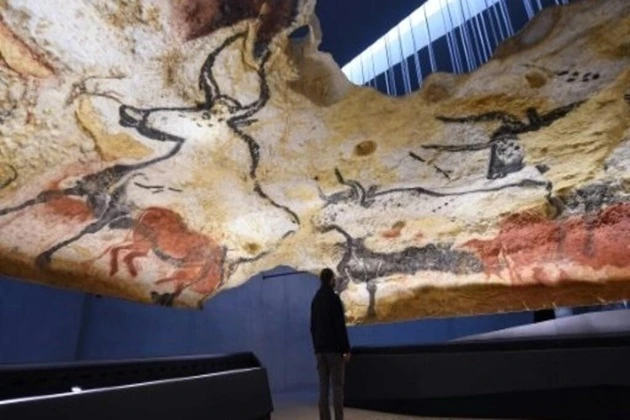
Lascaux Cave was discovered in the early 1940s, near the village of Montignac in France, when resident Marcel Ravida was walking his dog along the river near his home. The dog fell into a pit, which turned out to be the entrance to an underground cave full of ancient rock paintings, which turned out to be more than 17 thousand years old.
In 1948, after the cave was explored by scientists, it was opened to visitors. The number of people who wanted to admire ancient works of art was constantly growing, and after 15 years, it reached more than 1,000 people a day, leading to the violation of the cave’s natural ecosystem, located deep underground. The level of carbon dioxide released by humans during breathing contributed to condensation, excessive growth of mold and fungi, which threatened the destruction of prehistoric drawings. And powerful spotlights aimed at the cave walls, so that the drawings could be better seen, contributed to the fading of the pigments.
In 1963, the Lascaux Cave was closed to visitors, and the damage caused over the years is still being repaired thanks to the tireless work of specialists and scientists hired by the French government to preserve ancient drawings for future generations.
2. Great Pyramids of Giza, Egypt
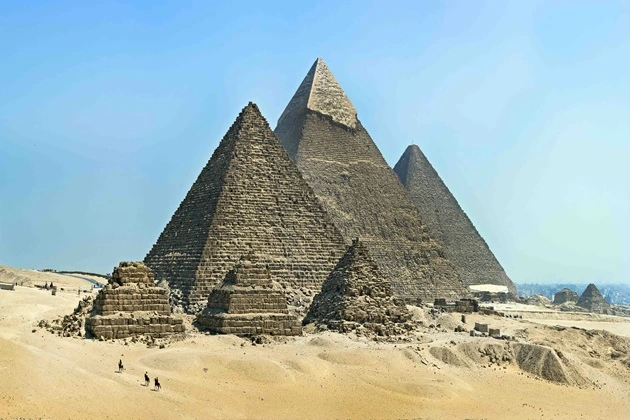
Another victim of mass tourism is the Great Pyramids of Giza, the main symbol of Egypt, embodying the incredible achievements of ancient civilizations created more than four thousand years ago. It is one of the most visited and popular tourist destinations in the world, annually attracting more than 14 million tourists who come to admire the ancient historical monument.
In the centuries since international tourism has developed, this unique artifact, the last of the surviving Seven Wonders of the World, has suffered irreparable damage. Large crowds of tourists visiting these places have caused significant soil erosion, and the recklessness and even vandalism of some visitors trying to climb the pyramids, chip off a piece of memory, and paint graffiti have led to the gradual destruction of ancient monuments.
Attempts to restore the pyramids in the past have only worsened their structural damage. Visit. A F R I N I K . C O M . For the full article. Currently, the efforts of the Egyptian authorities are focused on developing new projects to modernize the pyramids and introduce stricter methods of tourism management.
3. Colosseum, Rome
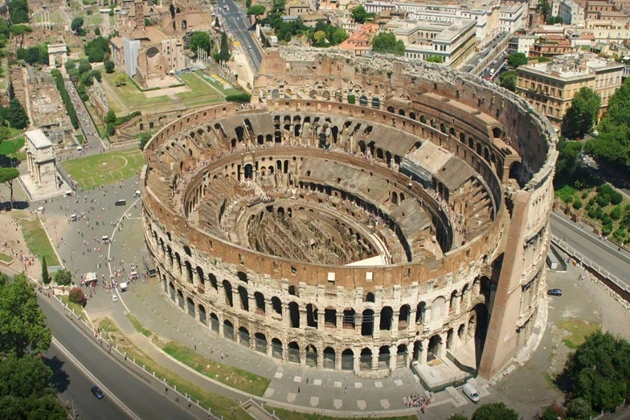
It seems incredible that the Colosseum, one of the last surviving symbols of the Roman Empire, built more than two thousand years ago and surviving many wars, invasions, destruction, and earthquakes, still stands and remains a majestic reminder of its past. And although only a third of the original building has been preserved for two thousand years, this is enough to convey the atmosphere of how impressive it once was.
However, as a symbol of Rome and attracting tourists from all over the world, the Colosseum has consistently faced damage, especially noticeable in recent decades. In addition to the fact that a large flow of people invariably leads to the deterioration of the building, there are many cases when visitors in the hunt for souvenirs try to steal fragments of brickwork or stone, and the names and initials of vandals often appear on the walls of the historic building.
4. Stonehenge, England
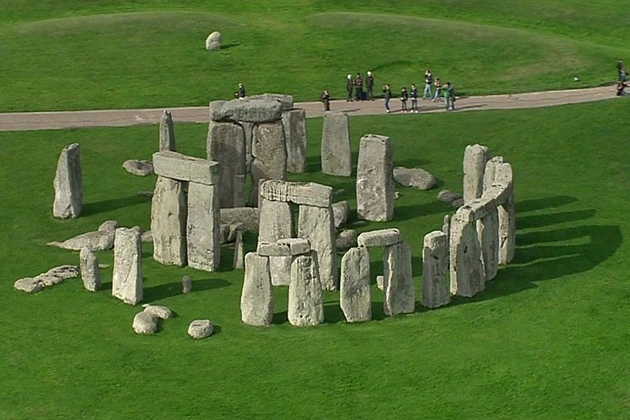
The mysterious stone circles of Stonehenge, located in the county of Wiltshire in southwestern England, have been admired for centuries and have generated much debate about their mysterious origin and purpose. Myths associated him with giants and human sacrifices. Every year, this mysterious place is visited by more than a million tourists who come here to touch the history and admire these weathered, impressive stones. Unscrupulous visitors often try to chip off pieces of stone to keep them as souvenirs. This means that the ancient relic under the influence of mass tourism invariably changes over time.
And although today a fence has been installed around Stonehenge to prevent further damage from tourists, there remains a problem with large roads laid next to the stone circle and threatening to damage its natural structure.
5. The Great Wall of China
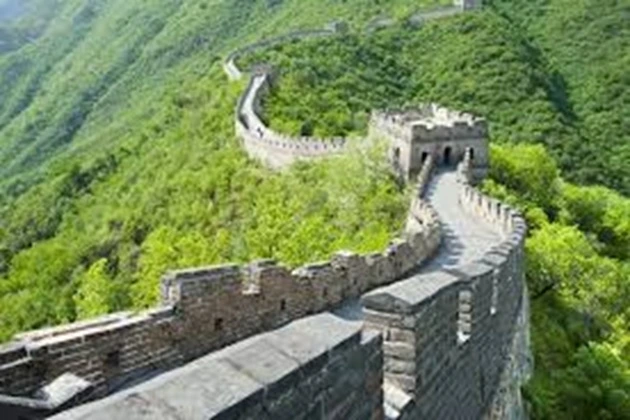
The Great Wall of China was built as a defensive structure more than 2,500 years ago and was constantly rebuilt by each dynasty. Its total length is more than twenty-one thousand kilometers, which makes it the longest wall in the world, although it is not a continuous line, but a system of various sections, fortifications, and natural barriers.
Unfortunately, according to staggering statistics, two-thirds of the Great Wall of China has been destroyed by numerous external factors, including natural erosion, natural disasters, and, not least, tourists. Large sections of the wall were covered with graffiti, and significant fragments of the wall were looted and taken away as souvenirs.
In addition, unscrupulous tourists leave mountains of garbage along the wall, which is not only unsightly but also damaging to the environment, and, due to a lack of funds for protection, the Great Wall of China is gradually collapsing. There are many unique historical sites suffering from mass tourism in Russia, such as the wooden temples of the Russian North, near which “wild” tourists often build bonfires, leave inscriptions on the walls, and take away parts of the structures as a souvenir.