Otjize and identity: The cultural essence of the OvaHimba tribe in Namibia
The Republic of Namibia stretches along the southwestern coast of Africa. With a population of approximately 3,093,708, based on the latest United Nations data compiled by Worldometers, and an area of 317,874 square miles, Namibia is considered a young democracy in southern Africa, having gained independence from South Africa in 1990.
Namibia is a diverse country with numerous ethnic groups residing within its territory. The largest of these is the Ovambo tribe, which comprises approximately 50% of the population; the others include the Damara, Kavango, Herero, Nama, Lozi, San, and Tswana.
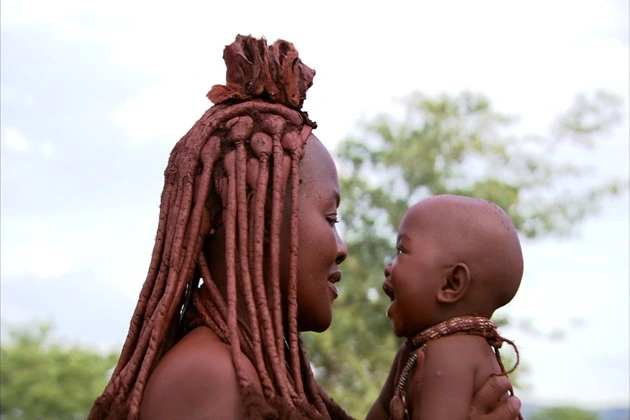
The OvaHimba tribe, also known as the Himba tribe, is part of the Herero ethnic group. The Himba tribe is a nomadic pastoral tribe living in the northern part of Kaokoland. The Himba tribe, a small group of people, has preserved its traditions and culture. They could be seen not only in loincloths and skirts made of goat skins, but also in the form of mud huts built and held together with a mixture of cow dung, mud, and palm leaves.
It is known that due to the hot and harsh conditions of Kaokoland, the Himba people rub their bodies with a paste consisting of oil, fat, and red ochre. This not only protects them from the sun, but also gives them a rich, bright red color. While pasta is a useful paste to protect against the adverse environmental conditions typical of their region, pasta also has a certain significance for their culture and identity.
5 Cultural significance of red ochre paste
1. Moisture retention
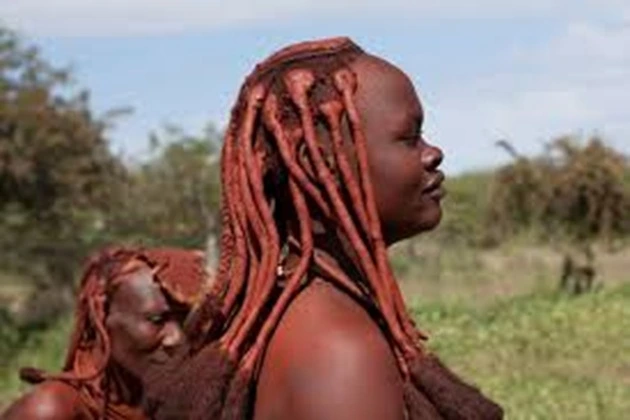
Water is a scarce commodity among the Himba tribe due to their location in the desert region of Namibia. The red paste, combined with other ingredients such as butter, fat, and even locally produced perfumes, is evenly applied to the skin and provides the necessary hydration throughout the day, thereby helping to regulate body temperature.
2. Skin care and cleansing
The arid atmosphere of Kaokoland can be harsh and unforgiving, especially since precipitation is rare and irregular. In an extremely hot and dry climate, where there is a threat of mosquitoes, the Himba people use red ochre paste to protect their skin from the weather and insect bites. In addition, the paste is an excellent tool for cleansing the skin of impurities that settle on the skin and are removed when flakes of paste are removed.
3. Ancestral ties
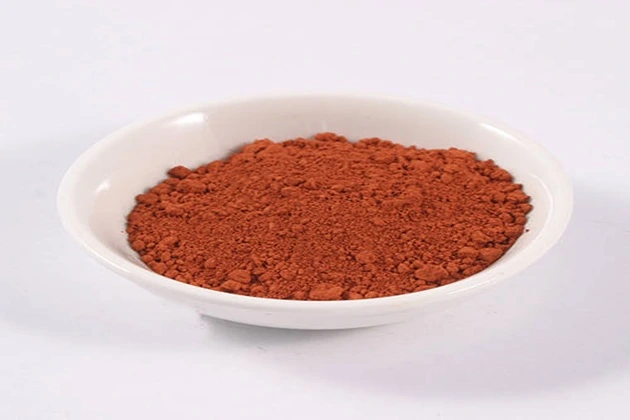
Otjize is believed to maintain a spiritual connection with the Himba people. Its red ochre (an iron oxide material called hematite) is extracted from the ground. The Himba people not only believe in the sanctity of the land, but also attach great importance to it as a means of communication with their ancestors. The use of red ochre paste in ritual ceremonies is a form of veneration of ancestral spirits, offering guidance and protection to the community.
4. Aesthetic adornment

Women from the Himba tribe typically braid their hair, which they also cover with headbands as part of their decorative ritual, giving them a unique appearance, for which they are nicknamed “Red Africans”. Visit. A F R I N I K . C O M . For the full article. This also emphasizes the social status difference between women.
5. Matrilineal connection
The peculiarity of the Himba is that women of the Himba tribe mainly use it. Symbolizing fertility, life, and a close connection to the country’s history and ancestors, the women of the Himba tribe begin to use this paste from an early age as a necessary part of their daily ritual. The knowledge of how to cook and apply pasta is passed down from generation to generation, from mothers to daughters.
Other interesting things about the Himba people
The Himba people have a polygamous society in which men are allowed to marry more than one woman. Early marriages, as well as arranged marriages, are also common in this society. Fathers play a crucial role in selecting suitable suitors for their daughters, starting from puberty. Despite the disapproval of the Namibian Government, this practice nevertheless continues.
Hairstyles worn by Himba women reflect their social status in society. Young girls who have not reached puberty have their hair braided into two pigtails (ozondato), which they braid at the back of their heads. The braid pattern also reflects her father’s clan, from which she comes, and signals to men that she is not ready for marriage.
At the moment when a young girl is ready to attract suitors for marriage, identical pigtails are braided at the back of her head so that the suitors can see her face. Twin girls usually braid separate pigtails, which indicates that they are each other’s halves. On the other hand, married women who have a child or who have been married for more than a year should wear a headdress (erembe) over their pigtails.