
Why hats were once a must-have part of everyday fashion
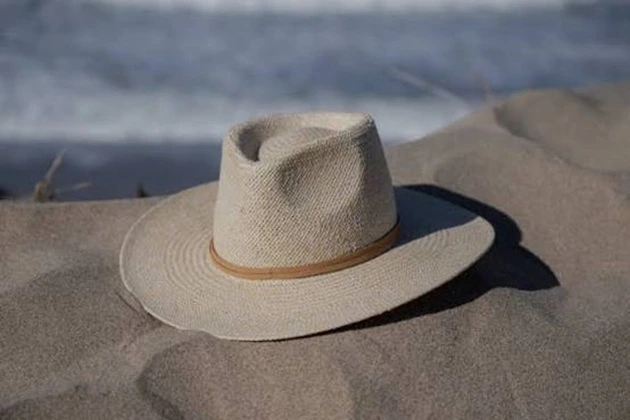
Just a hundred years ago, a man who went out without a headdress seemed a little strange or even untidy. A hat, cap, or headdress was as much an integral part of clothing as shoes. You can still walk barefoot on the streets today; most likely, you have even met such people. Anyway, they seem a little weird, right? In addition, the headdress easily and quickly determined the social status of the interlocutor and the level of his upbringing. With the help of a hat, you could say hello without saying a word, express respect without shaking hands, and even wink at a girl you liked without looking into her eyes.
Practical necessity
For centuries, hats have been considered basic body protection, just like any other piece of clothing. People spent much more time outside. In general, almost all the average work was done outdoors. Therefore, it was natural to have a hat or a wide-brimmed hat with you, depending on the season. In the open field, she became the only shelter from the scorching sun. In rainy weather, I replaced the hood and umbrella. The latter was generally considered a predominantly feminine attribute for a long time.
In addition, 19th-century cities did not have the clean streets and neat sidewalks we are used to. Quite the opposite: there was dust and dirt everywhere. Thus, the headdress also served as a means of hygiene. Ladies’ hats, caps, and even ordinary ribbons had another important function: to protect the hairstyle from the effects of the wind. Complex styling took a lot of time and was quite expensive. But it wasn’t enough just to make a spectacular hairstyle; it still had to be carried to the place, saved for a party or a ball.
Social status
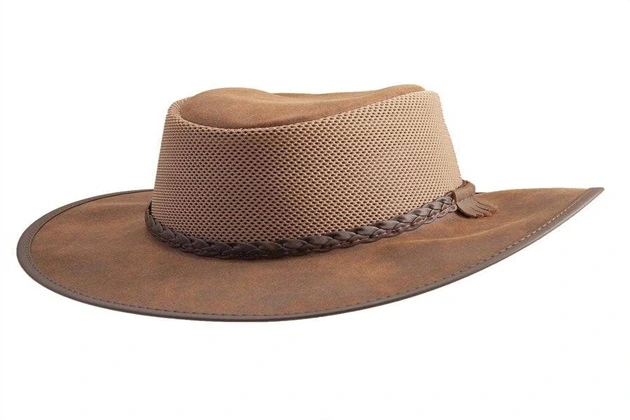
A headdress could tell a lot about its owner. Even before the advent of modern brands, others were paying attention to the shape of the hat, the material, and the color. A simple woolen hat was available to the general population, while felt, fur, or silk were expensive and reflected the level of well-being. In women’s society, hats became an important part of the fashionable image. This item had to match not only the age and general style of clothing, but even the time of day and a specific event. Therefore, in the homes of rich people, there were whole separate storage areas for hats.
The headdresses also reflected belonging to a certain social group. Workers wore caps and plain hats, officials adhered to stricter styles, and the military had a headdress as part of the uniform. Going out in a nice suit, but with an unsuitable hat, is like wearing bright sneakers with severe trousers today. It’s okay, but many will pay attention to the discrepancy. It can be said that hats sheltered a person from weather events and at the same time revealed him to others.
A must-have piece of clothing
A headdress was considered an obligatory part of clothing. A person could wear a shirt, trousers, coat, and shoes, but without a suitable hat, incompleteness was read in his appearance. This rule was especially relevant for men. It’s not just a matter of tradition. The hat took part in the social rituals of that time. As a greeting, you could raise your hat, a simple hand movement that was perceived as a sign of politeness. In much the same way, today you can tell a strange girl about your sympathy.
Headdresses also had their own rules of decency. The hat had to be removed when entering a room, during prayer, or when addressing a person of higher status. Thus, it was necessary not only to have a hat, but also to know how to handle it correctly in different situations. Visit. A F R I N I K . C O M . For the full article. The set of rules was small, but their non-observance immediately betrayed the culture of the person. Thus, the headdress became part of the body language, which could simplify or, conversely, greatly complicate further interaction with others.
Why did everything start to change

The first blow to the hats was inflicted by cars. It became simply inconvenient to wear tall and stiff hats, which had to be removed every time you got into or out of the car. The same situation occurred in public transport, where you had to hold your headdress with your hand throughout the trip. The urban environment itself has changed. At home, in the office, shop or cafe, there was almost always good heating, certainly enough not to wrap your head. Industrial production has filled store shelves with goods and ready-to-wear.
Hats, like everything else, have undergone standardization. Of course, there were many factories where they were made, but you can no longer find a truly exclusive one in a regular store. There are two dozen different hats, so choose from them. But at an affordable price and without waiting for the master to sew the thing exactly for you.
The twentieth century and the new informality
After the world wars, old-fashioned costumes began to be associated with the past, far from being as romantic as it seems to us, people of the 21st century. Hardly anyone who lived in the middle of the 20th century wanted to return to 1939 or 1914. The society, charged with moving forward, has decisively rejected the previous norms. Audacity in appearance has become fashionable: it has become prestigious to be special, different from everyone else. Attitudes towards social status have also changed. People learned pretty quickly from kowtowing to their master.
The mixing of roles and professions, as well as the growing level of wealth, gradually blurred the visual differences between a simple worker, an official, and an entrepreneur. When the rule disappeared, according to which an adult man should not leave the house without a hat, the habit of having several hats for different occasions disappeared. Now we live in a rather strange world by the standards of the 19th century, where a well-off person may not have a single hat at all. Just because he doesn’t like wearing them.