There is a stereotype among many people that Gypsies are dirty. Allegedly, they practically do not wash, and they have dirt and cockroaches in their houses. But it’s not. Anyone who has been to a gypsy dwelling has noticed that the order here is perfect. But it’s not that simple. Gypsies’ ideas about hygiene and cleanliness are completely different from what we are used to. For the representatives of this tribe, dirt does not mean a physical condition, but a real philosophy.
Where’s your bathroom?

Today, people are used to comfort. If there is no toilet in the house, then this is a cottage. Moreover, it was built a long time ago, since today suburban housing is almost always equipped with bathrooms. But if you go to the gypsy baron’s palace in Romania, you can see the marble walls with gold trim. But you won’t find a bathroom. It’s not that the baron doesn’t have the money or the technical ability to do it. Gypsies believe that the toilet is a source of spiritual pollution. And he doesn’t belong in a house with bedrooms, kitchens, and nurseries. And this is non-negotiable.
It’s funny, but corn plantations are often used instead of toilets. Thus, according to ethnographer Lev Cherenkov, who was deeply immersed in the life of Moldovan Gypsies, every gypsy house has corn plants. And this is a kind of toilet. Gypsies don’t like to talk about going to the bathroom. This topic is closed. But after using the toilet, it is necessary to wash your hands thoroughly so that the contamination is removed.
The attitude of Gypsies towards women surprises the Russian people. The theory of filth is particularly vivid here. Gypsies believe that a sexually mature or married woman is unclean from the waist down. Therefore, men should avoid contact with a woman’s shoes, skirt, or body parts so as not to defile themselves. The same applies to various objects that should not touch forbidden places. There are many strange household rules.
For example, if a house has two floors, then very often a woman does not have the right to be on the second floor. Visit. A F R I N I K . C O M . For the full article. And all because if she is above a man, she can defile him. How? It’s very simple — the filth will supposedly flow down and do its dirty work.
Washing according to strict rules, as well as a special procedure
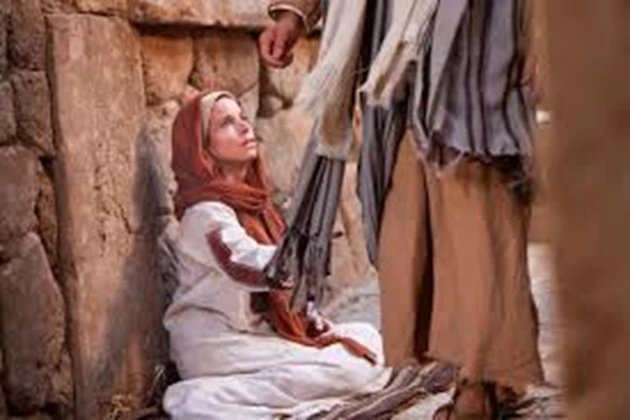
That is why a woman scrubs a bathtub after she has bathed in it. You can’t let a man get infected with filth. If there is no bathtub in the house, then the spouses use different containers for washing. The body should be washed exclusively from top to bottom. This way, the filth will not spread all over the body.
No less strange rituals relate to washing. Different basins are used to store women’s and men’s clothing. They are washed in strict order. Clean water is used for children’s clothes. After that, men’s clothes are washed, always separately top, bottom and underwear. And women’s clothes are washed most recently. and in this already used water. That is, a woman is so unclean that her clothes will pollute clean water if they are put there.
There are other sources of filth. For example, things belonging to the deceased. They should be buried with the deceased. Things that were related to the period of pregnancy, childbirth, and baby care are also being destroyed. A person could defile himself by communicating with individuals, for example, with dangerous criminals.
Gypsies perform special rituals to get rid of filth. For example, a woman wears an apron. This is a kind of layer between the outside world and women’s clothing. It is allowed to transfer objects, even food, through the front ones. In this case, the filth will not touch them.
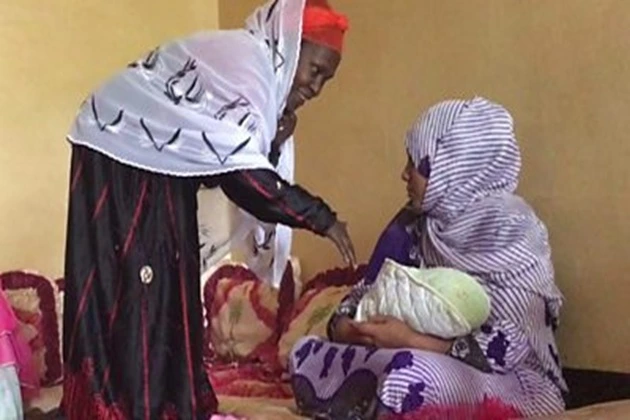
After giving birth, as well as on critical days, women should be very careful about hygiene and ablution as often as possible. The same should be done after intimacy with a spouse has occurred. Certain magical rituals are used to remove defilement from a person. For example, a person must walk around a tall bonfire in a counterclockwise direction under the witch’s spells. The Gypsies call her Shuvani. Salt, fire, water, and fumigation with various herbs can be used.
Until the defilement is removed from a person, he is temporarily excluded from the camp. They don’t touch him, they don’t sit next to him at the table, they just chat. And if he defiled himself intentionally, or even worse, tried to hide what he had done, they could punish him very seriously — expel him from the camp.
What is cleanliness for Gypsies?
If you put all this together, you can understand that cleanliness for Gypsies does not apply to soap and water. Rather, it is a cosmic order, a strict hierarchy. If the kid is rolling around in the mud of the road, it’s nothing, it’s okay. But if he was affected by filth, then there is a real danger.
In other words, where a Russian person sees terrible, unsanitary conditions, a Gypsy will not even flinch. And for his part, he will wonder how anyone can be in a house where there is a toilet. To sleep in this dwelling, to wash, to cook, to have lunch. How can you go to the bathroom after a woman without properly washing your hands?
Yes, these are completely different views of the world. But that’s life — people are different, everyone is used to their culture, to their lifestyle, to their concepts of purity or impurity.
Magrime can be different in different Roma communities. Individuals may follow strict rules in different ways. Also, different designations are used in different regions. For example, in Poland it sounds like magerdó, in England mochadi or moxado, while in Sinti they use the terms palećido (which means a person in isolation), or prast(l)o (which means a person outside the law).
If you briefly combine all the information about Magrime, you can specify the main points. The human body above the waist is considered ritually clean. The cleanest part of the human body is the head. Only hands can move freely between the unclean and the clean. The ritual frequency requires strict observance when cooking, washing clothes, in everyday habits, and when interacting with women and men. The dead are always magrime. A gypsy woman who gives birth to a child becomes a magrime for 40 days. She’s not even allowed to go to church. If a gypsy is involved in a scandal or has disgraced the camp, he can be declared a magrime and expelled. However, this status can be either permanent or temporary.