How dragons came to represent opposite ideas in East and West
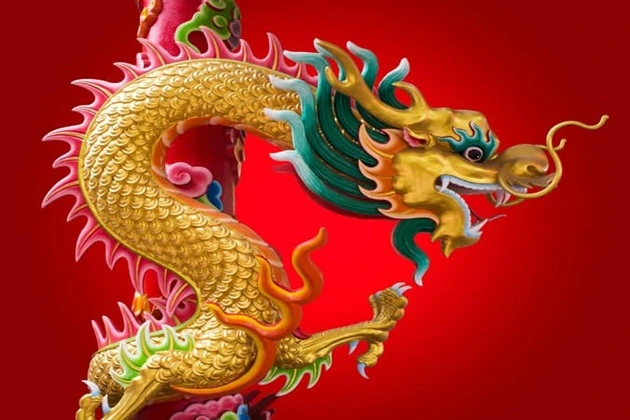
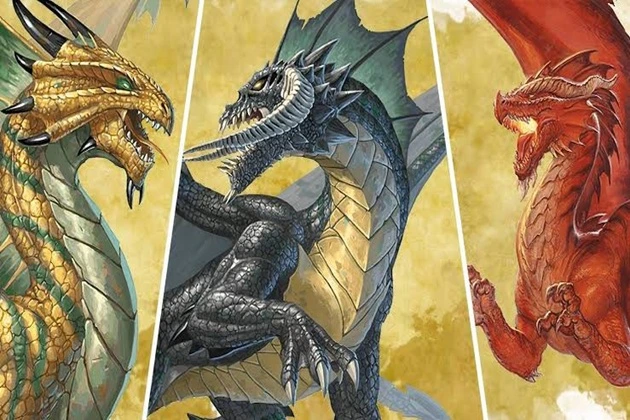
When the word “dragon” is uttered, most people imagine a fire-breathing reptile with massive leathery wings, guarding treasures in the depths of dark caves and ready to unleash flames on any brave soul who dares approach. In Western mythology, this image represents an enemy that must be defeated for the sake of glory and wealth. However, in China, the situation is completely different. The myth of dragons is perceived in a completely different way. These creatures are not monsters, but powerful and wise beings that embody kindness, harmony, and prosperity. They are revered, they are worshipped, and their image is not an enemy, but a patron and a symbol of good luck, which is determined by color: blue, yellow, green, red, black, or gold.
The Chinese dragon is the embodiment of good luck and wisdom
In medieval legends, knights fought dragons, and in Christian tradition, dragons became a symbol of Satan. In this context, dragons were not seen as a source of awe, but rather as a representation of the struggle and triumph over evil. They were seen as enemies, obstacles that needed to be overcome to gain glory and prove one’s strength. The most famous story, the tale of Saint George slaying the dragon, became a symbol of courage and heroism.
In Chinese culture, the dragon is a symbol of good luck, wisdom, and prosperity, and is associated with the elements of rain and rivers. Its role is to maintain the balance between heaven and earth, ensuring the well-being of people and crops. In ancient times, when agriculture was the backbone of the economy and people’s lives, the dragon was seen as a protector and benefactor. It was depicted during periods of drought, and people would pray for rain and display its image during natural disasters, believing that it could bring harmony and restore balance. For the Chinese, they are not just mythological characters, but part of their cultural identity, as they consider themselves to be “descendants of the dragon.”
The Chinese and Western dragons are two opposites
The appearance of the Chinese dragon is strikingly different from the Western stereotype. Its body resembles a long snake with patterned scales, and it has a mane and branching antlers on its head. The main difference is its almost complete lack of wings. Unlike the Western dragon, which uses its wings for flight, the Chinese dragon soars through the sky using its magical nature. This ability emphasizes its celestial origins and special power.
The number of claws is one of the most important symbols associated with the dragon’s power and status. The imperial dragon has five claws, which indicates its exceptional nature and divine origin. In ancient times, all dragons had five claws, but over time, as they moved away from the earth and lost their power, the number of claws decreased. The imperial dragon with five claws became a symbol of absolute power and divine legitimacy.
The color of Chinese dragons: the multifaceted nature of mythical creatures
Every shade of dragon is not just a random occurrence, but a distinct language of symbols that conveys the status, age, purpose, and even the character of the mythical creature. Understanding this language opens the door to a rich world of ancient beliefs, where every color carries deep meaning, and the wrong shade of dragon could have serious consequences. The colors were not just colors on the surface; they reflected the views, fears, and hopes of an entire nation.
According to ancient beliefs, the white, red, yellow, and black dragons symbolize thousands of years of existence, while the blue dragons are less ancient, with a lifespan of around eight hundred years. Visit. A F R I N I K . C O M . For the full article. Each color is associated with specific elements, directions, and meanings.
The green and blue dragons are closely linked to nature, growth, and harmony. For example, the Azure Dragon, or Qinglong, is the guardian of the east and symbolizes the beginning of spring, rebirth, and renewal. It is associated with clear skies, health, and well-being, and in ancient astronomy, it was one of the four mythical creatures responsible for the cardinal directions and the seasons.
The white dragon is a dual figure: on the one hand, it is a symbol of purity and male energy, Yang, but on the other hand, it is associated with death and mourning. Its appearance could herald changes related to the passing of the old and the arrival of a new cycle.
The red dragon is the most popular and beloved among the people. It is the color of happiness, good luck, and life’s success, and it is associated with festive occasions. It represents passion, energy, and vitality, and its image is integral to New Year celebrations, weddings, and folk festivals. The appearance of a red dragon promises well-being and prosperity, as well as a time of flourishing and abundance.
The black dragon in Chinese culture is a symbol of power and authority, associated with the element of Yin. It is associated with the mysteries of the ocean depths, the destructive forces of nature, and the northern direction. In mythology, it is not evil, but rather powerful, responsible for storms and hurricanes. The time when the black dragon reigns is winter, a period of calm and preparation for a new cycle. Yellow – lives in water, but the golden dragon is the emperor’s symbol.
An important feature is that each color of the dragon has its own function and meaning, and no shade is considered to be unambiguously evil or good.
Types of dragons: horned, coiled, king, and celestial
In Chinese mythology, there are different dragons, and each has its own function, its own sphere of influence. The heavenly dragon guards the sky and protects the gods so that they do not fall from there; the dragon king “Longwan” causes rain and embodies masculine strength; the winged dragon is associated with rain and flooding. A dragon with hidden treasures protects everything valuable in the depths, and it is also associated with volcanoes. The Chinese believe that eruptions and earthquakes occur when it comes to the surface. The most peaceful is the coiled dragon, which never rises to the sky and lives in a lake, but can control time.
In ancient mythology, there is a legend about four dragons – Yellow, Long, Pearl and Black – who saved people from a terrible drought. They disobeyed the heavenly ruler, causing rain with their own powers, and for this they were punished – crushed by mountains and forever tied to the earth. However, their feat was so great that the largest rivers in China, the Yellow River, the Yangtze River, the Pearl River, and the Heilongjiang River, were named after them. They are a living reminder of the dragons’ nobility and self-sacrifice.
The Nine Sons of the Dragon
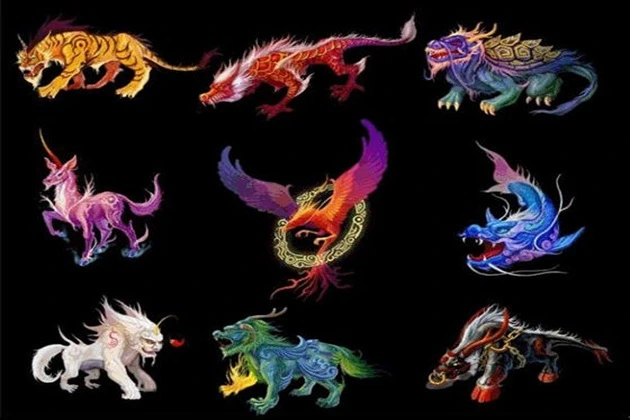
According to mythology, the dragon had nine sons, each with their own character, appearance, and influence. Their images adorn palaces, temples, and monuments, serving not only a decorative but also a sacred purpose. The eldest son, Bisi, is depicted on tombs and monuments. He resembles a turtle, symbolizing strength and stability. The second son, Qunyu, is yellow and scaly, associated with music and art. The third son, Yazi, with a snake body and a leopard head, represents martial spirit and power. His image is embossed on the hilts of swords.
The fourth son, Chaofeng, protects against danger and is placed on the roofs of palaces to ward off evil spirits. The fifth son, Pulao, is known for his loud crying, and he is depicted on bells, as it is believed that his crying makes the sound of the bell louder and clearer. The sixth son, Chiwen, lives in the sea and enjoys devouring creatures, which is why he is often seen on the crests of palace roofs.
The seventh son, Bian, loves trials and justice, and his statues stand at the gates of prisons, keeping order. The eighth son, Suanni, resembles a lion, loves to sit cross-legged and smell incense, and his images adorn the incense burners in Buddhist temples. Finally, the ninth son, Fuxi, is the most similar to the classic Chinese dragon, and he is often depicted on stone tablets and steles.
The dragon in China is not just a mythical creature from ancient legends. It is a living symbol of the nation, its identity, and its cultural code, which permeates all aspects of life. Chinese people genuinely consider themselves to be “descendants of the dragon,” and this metaphor is rooted in the legends of Fuxi and Nüwa, the ancient human-headed dragon deities who are said to have created humanity.
For the Chinese, the dragon is a symbol of strength and power, the ability to control the elements, the wisdom of the great strategists who were known as “sleeping dragons,” the luck and prosperity that the red dragon represents during festivals, and the imperial authority embodied in the golden five-clawed dragon. It is also a symbol of national pride, as China is often referred to as the “Land of the Dragon.”
When Chinese people wish for their son to become a dragon, they are not referring to anything supernatural or frightening. This is just a warm wish for the child to grow up to be a wise, strong, and successful person, capable of overcoming any difficulties and reaching the highest peaks. This wish encapsulates the essence of the Chinese attitude towards the dragon: not as a monster to be feared, but as a supreme ideal to strive for.