
How to become more stress-resilient: Things that really work
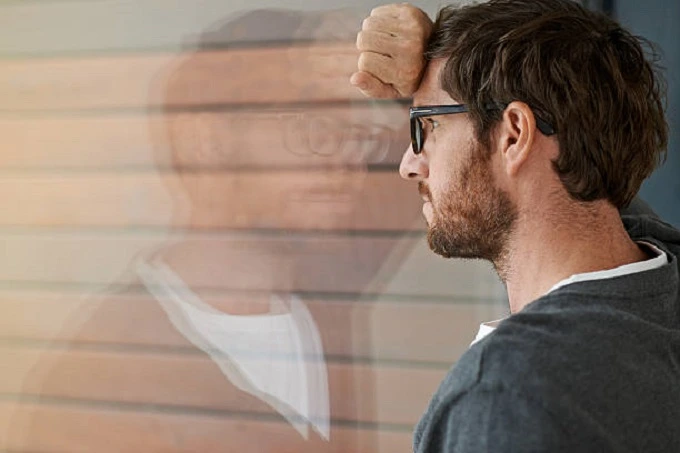
Stress tolerance is not an innate talent or the result of positive thinking or willpower. In reality, this is a set of your daily decisions and habits that help you recover, keep your thoughts clear, and not give up at the first difficulty. If you keep your focus on what you can control, life becomes much easier. Of course, this does not save you from the problems and worries themselves, but it allows you to withstand the load. In this article, we have collected a few things that actually make you more resilient to stress. Take a look at this list — perhaps you will understand the approximate direction in which you should move on.
8 ways to become more stress-resilient
1. The focus on the fact that you can control
One of the main sources of stress is not even the situation itself, but your attempts to control things that go beyond your responsibilities. It’s about other people’s thoughts or actions, external circumstances that you can’t predict, global events, and so on. All of this is beyond your control, no matter how hard you try to change something. The only thing you can really do is switch your attention to yourself, your decisions, feelings, and plans. It’s not so important what’s going on around you; it’s more important how you react to it. When you shift your focus to what you can control, you will feel supported within yourself.
2. There are clear boundaries between “must” and “can”

If you’re always trying to do more than you really can, life turns out to be unbearable. You literally initiate situations that provoke stress, and it, in turn, quickly develops into a chronic one. You’re driving yourself into a trap that’s going to be very difficult for you to get out of. In order to gain stress tolerance, you need to learn how to objectively evaluate your capabilities and abilities. Analyze your resources and stop yourself before exhaustion sets in. By setting clear boundaries between “must” and “can,” you use your energy more effectively.
3. The ability to accept help and support
Many people believe that it is necessary to cope with difficulties alone. This is especially often the opinion of men. It seems that asking for help or even deciding to accept the support that another person offers you is a manifestation of weakness and one’s own inadequacy. Visit. A F R I N I K . C O M . For the full article. But constant attempts to deal with problems and circumstances on your own are exhausting.
The ability to accept help is a sign of maturity, not weakness. Even an ordinary heart-to-heart conversation, advice received from a friend, or involving a person in solving part of your problem can relieve tension and stress. In addition, by attracting other people, you use the maximum resources available to you — other people’s experience, time, strength, and connections.
4. Regular sleep and recovery

It is sleep that is often sacrificed in an attempt to quickly resolve a stressful situation. However, this path leads nowhere. Lack of sleep only increases anxiety, reduces concentration, and drains you both physically and emotionally. As a result, you will find it harder to bear any difficulties, make more mistakes, and only worsen the situation you find yourself in. If you want to strengthen your resistance to stress, it is vital for you to learn how to rest properly. When you get enough sleep regularly, your body recovers, and your psyche copes better with stress.
5. The ability to name your feelings
Ignoring your emotions is not the best idea. First of all, they don’t disappear anywhere. You continue to feel tense and risk venting your feelings at the most inopportune moment. Secondly, you’re increasing stress. You need to monitor not only the development of the situation, but also yourself. When you can honestly admit to yourself that you’re scared, angry, tired, or disappointed, you reduce tension. Emotions that you can identify are much easier to live through, and safe for yourself and others. They don’t put pressure on you, they don’t destroy you from the inside, which means they don’t create additional stress in your life.
6. Physical activity
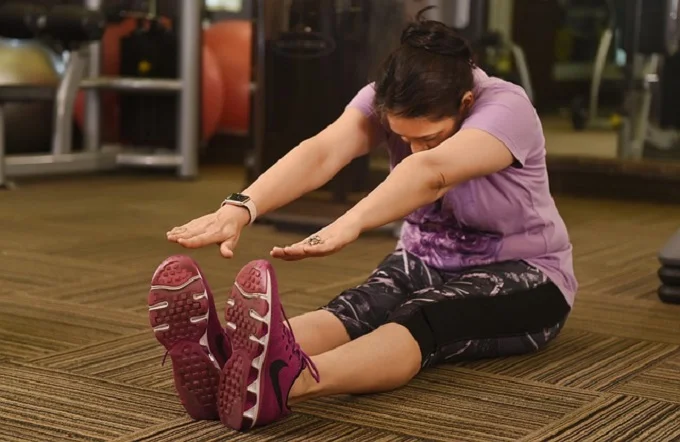
Physical activity helps relieve accumulated stress. Moreover, it is not necessary to approach this type of pastime with all seriousness: sign up for a gym, look for opportunities to introduce a new sports hobby into your life, and demand certain results from yourself. Look at it more simply: it’s enough to go out for a walk more often, exercise in the morning, and not spend all your weekends at home. Any activity during the day reduces stress levels and improves overall well-being.
7. A simple and predictable routine
During periods when your life is unstable, it becomes especially important to return yourself to a familiar and comfortable rhythm. Simple and repetitive actions can help with this: the usual food, classes, organization of space, weekend plans, and so on. Basically, everything you do every or almost every day. Such a pleasant routine enhances the feeling of stability, even when faced with stressful situations. Circumstances change around you, but you realize that you can stay afloat thanks to the small world that you have created for yourself.
8. Restriction of communication with negative people

You’re surrounded by all kinds of people. It’s quite easy to communicate with some of them.: They support you in difficult moments, encourage you, and try to find new opportunities where others see only limitations. It turns out to be more difficult to interact with others. They often criticize, devalue, and cheat others. When you consciously reduce communication with negative people, your psyche gets an opportunity to recover. You are no longer being convinced that you cannot do something, that the situation will turn into a disaster for you.
9. Meaning and personal values
Stress takes control of you and your condition if you consider it meaningless. When you understand what you’re trying for and what’s really important to you, difficulties are perceived differently. You know that stress is a necessary stage, after which the desired changes await you. Even in the most difficult times, you don’t give up, because you remember that you act in accordance with your goals and values. And it makes you feel like you just can’t do anything else.