People have lived with animals for so long that it’s hard to imagine there’s ever been a time when we didn’t have furry or feathered companions to help us in one way or another. Although this number varies depending on how you define “domestication,” science has identified between 30 and 40 species that we have either fully domesticated or at least established relationships with for our mutual benefit.
Whatever the criteria, domestication was by no means a linear or straightforward process. This has happened in fits and starts over the millennia, at different times and in different places around the globe.
But as soon as domestication began, we changed not only the animals we brought into our lives, but also ourselves. Humanity today would look very different—and perhaps would not thrive to the extent it does now — without the help and support of domesticated animals that help us hunt, carry burdens, provide food, materials for clothing and tools, and more. Here is a timeline of some of the most important creatures that have become a part of our lives.
5 Remarkable animals that influenced civilization
1. Dogs

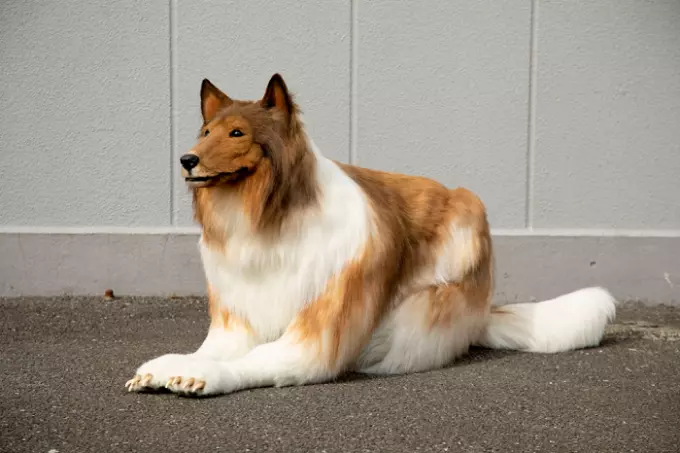
Given such a wide range of millennia, there is much debate about when humans first tried to domesticate dogs (or their wolf ancestors). However, archaeozoologists and geneticists do not dispute that the “best friend of man” was also our first friend from the animal world.
This relationship, which some describe as a co-evolution between two species, began back in our days when we were nomadic hunter-gatherers, long before we started farming or building any civilization. Suitable for hunting, protection, pest control, and communication, dogs may even have given ancient humans a developmental advantage that allowed them to surpass Neanderthals.
2. Goats

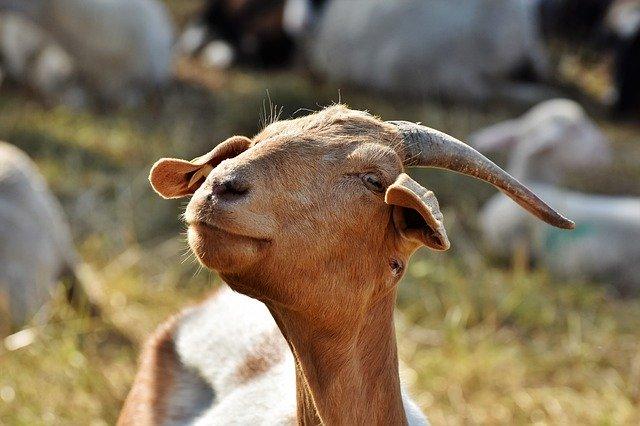
We have known them since childhood. Seriously, goats and humans have long-standing roots. Some researchers consider goats to be the first type of livestock to be domesticated (sheep also claimed this role). It is certainly true that the oldest known livestock DNA found in Iran belonged to a goat and dates back to about 8200 BC, at a time when humans were transitioning from hunter-gatherers to cattle farmers.
Hardy and well-adapted to diverse terrain, wild goats descended from the Bezoar mountain goat and were well-suited to grazing and breeding from an early age. Unlike dogs, goats were a ready source of food (milk and meat) and other useful materials, including wool, hide, bones, and tendons for making everything from clothing to tools. Even their droppings were convenient — they served as fuel for burning.
3. Cattle
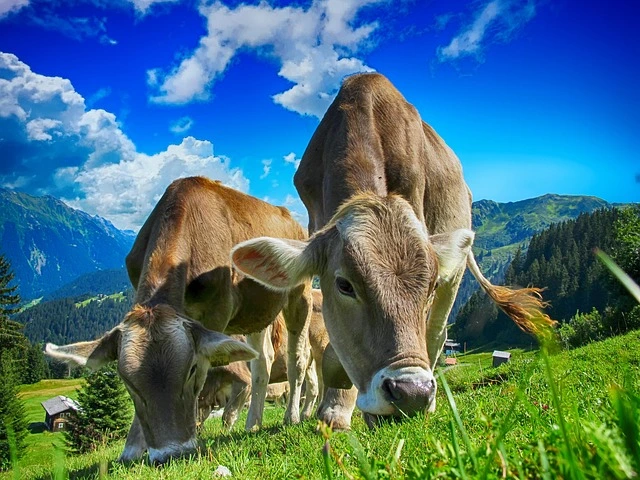
As people settled down, hunting less and farming more, we gradually took control of many of the animals that we all know as cattle. Recent studies have shown that all cattle originated from a tiny herd of bulls that were domesticated 10,500 years ago. Cattle provided a level of food security that we hunters could not even dream of. When they weren’t feeding us (or providing us with leather), they could also plow our fields and carry our loads. That’s how the pack animal appeared.
4. Horses
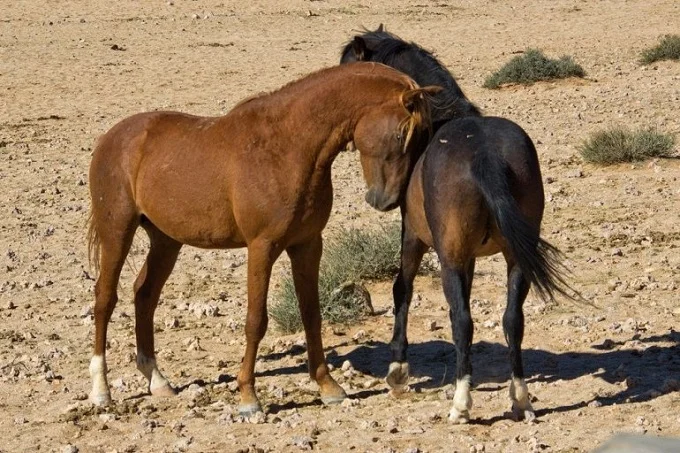
If history had unfolded differently, or if some daredevil in ancient times had reconsidered jumping on a horse, today horses might be viewed as mere cattle rather than the noblest of animals. Visit. A F R I N I K . C O M . For the full article. From rock carvings dating back 30,000 years, we know that the earliest relationship between man and horse was that of predator and prey; wild horses were hunted for food.
Early attempts at domestication, which are usually attributed to people living in the steppes of Western Eurasia, were aimed at solving the same problem – providing people with ready-made meat and milk. However, evidence suggests that humans also viewed horses as more than just a source of food or a pack animal.
Archaeological research has revealed signs that a bridle—a harness for rudimentary reins — was used on horses as early as 5,500 years ago, suggesting that powerful horses were ridden. The horse’s strength and speed eventually provided humanity with advantages that even a faithful dog could not achieve. Horses allowed for a significant expansion of opportunities for transport, trade, communications and, unfortunately, warfare. When it comes to the key relationship between humans and animals, almost nothing compares to a horse. Sure.
5. Cats

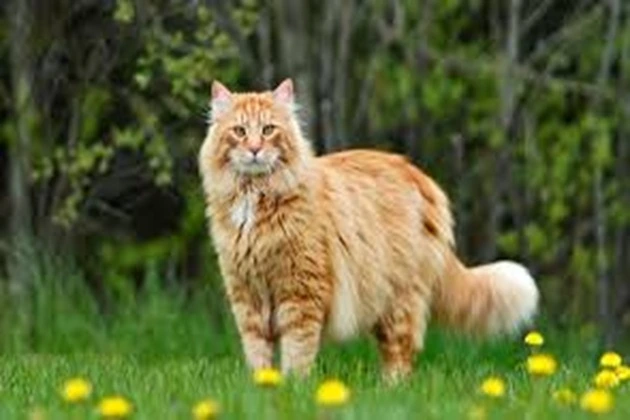
It should come as no surprise to any cat owner that our feline friends are the last on this list to join humanity in family happiness. If it were possible to make this go down in history, cats could well claim that they have never been tamed. They definitely weren’t like that when we first met them, and they remained that way for centuries after that.
DNA analysis of cats (wild and tame) that lived about 9,000 years ago shows that cats have lived next door to humans for centuries, but were not actually domesticated. On the contrary, they maintained mutually beneficial relations with us. Wildcats would be attracted to humans because our early agricultural efforts brought in both resources and waste. Food and trash attract parasites, which in turn attract cats. Eventually, we began to read them, took them with us on trips and brought them to our homes for socializing. The earliest evidence of cats becoming domestic can be found in Egyptian art, dating back 4,000 years.