The woman who defended England: Why Æthelflæd was Centuries ahead of her time
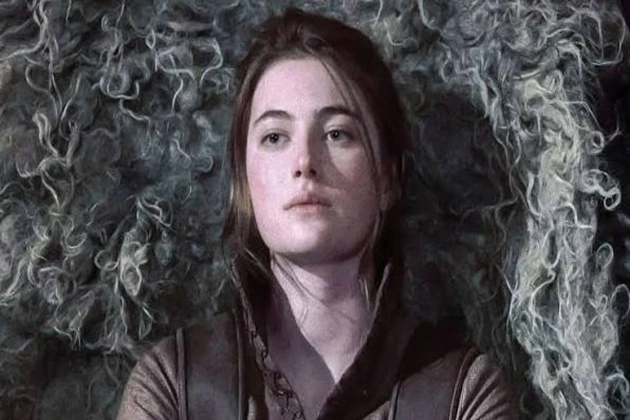
The name of this woman has been almost forgotten in history, overshadowed by those of her legendary father, Alfred the Great, and her brother, Edward the Elder. However, Etheldreda of Mercia’s achievements as a ruler, diplomat, and military strategist are so unique that she can undoubtedly be considered one of the most prominent and influential figures in medieval England.
Born in a crisis
She was born in the early 870s and was the daughter of Alfred the Great of Wessex and his wife, Ealswitha, who came from a Mercian noble family. This background made Etheldreda, known as the Lady of Mercia, an important link between the two great Anglo-Saxon kingdoms of Wessex and Mercia.
Her father’s commitment to learning and religious reform instilled a reverence for education and piety in their family. As the eldest child in the family, Æthelflæd was raised with a deep understanding of both her heritage and the responsibilities that came with it. She received an excellent education at her father’s court, which prepared her for a prominent political role. Æthelflæd’s birth coincided with a period of great crisis, when England was on the brink of extinction. Viking invasions, attracted by the wealth of England’s thriving trading ports, swept across the country, conquering East Anglia and Northumbria, while Mercia was divided between the English and the Danes.
Ethelflæd’s father fought fiercely to ensure the survival of his people. To hold onto the territories that remained unconquered and ensure the possibility of reconquest, he built a network of fortified sites, provided shelter for the local population, and sought to protect the mints. In this struggle, which took place in front of the eyes of the growing Etheldreda, her character was tempered.
A political marriage for the unification of kingdoms
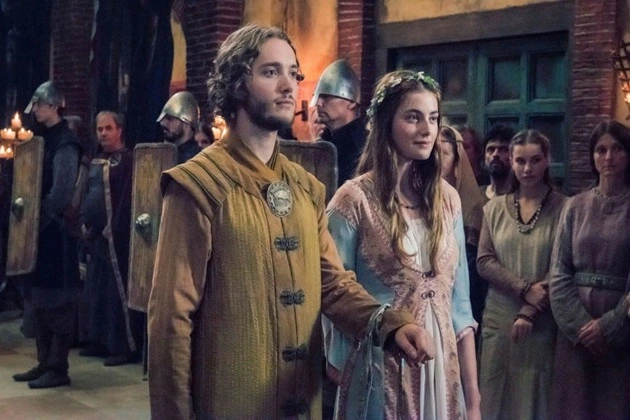
In order to preserve England, Alfred also used diplomacy and considered dynastic and political marriages for his children. Visit. A F R I N I K . C O M . For the full article. As soon as Etheldrida turned 15, she was betrothed to King Æthelred of Mercia, who had fought alongside Alfred and was probably closer in age to him than to his daughter.
However, the marriage, which was intended to unite the English-speaking nations against the constant threat of the Vikings, was both a happy personal union and a successful political alliance. Initially, Æthelflæd’s role as a wife was traditional, but she soon became a full-fledged ruler and successfully ruled Mercia alongside her husband for several years. She signed diplomatic documents and presided over courts, successfully replacing her husband while he fought against the Vikings, first alongside her father and then with her brother Edward.
This was unusual for the time, especially in Wessex, where women were largely excluded from political life. But in Mercia, there was a tradition of powerful queens, and Etheldreda quickly took advantage of the opportunities presented to her. The couple had only one child – a daughter, Ælfwynn – and then Etheldreda declares his desire to observe celibacy – no more children. Whether this decision was caused by medical, religious, or political reasons, we do not know, but soon Etheldreda became seriously ill, and she actually continued to rule the country alone.
The Battle of Chester and Æthelflæd’s Rise to Power
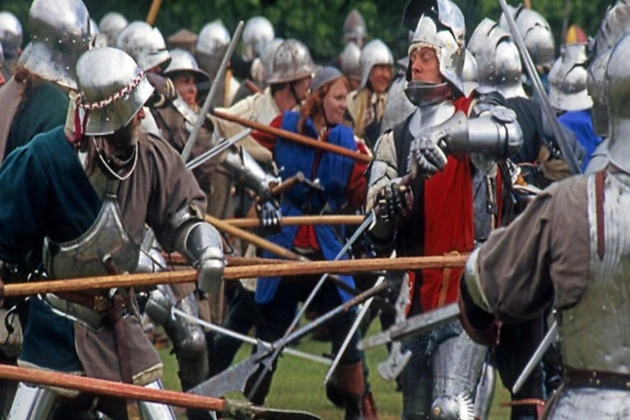
In early 907, significant changes took place in Mercia. The shadow of illness that loomed over Æthelred completely placed power in the capable hands of his wife. It was now Æthelflæd, the daughter of Alfred the Great, who determined the fate of Mercia and played a key role in defeating the Viking army that had attacked Chester.
The famous Norwegian Viking Ingimund, who had been exiled from Ireland along with his band of battle-hardened warriors, came to the court of the “Queen of the Saxons,” as the Irish called Æthelflæd, and asked her to grant him a small territory where he could settle his people peacefully. Æthelflæd, displaying both pragmatism and foresight, granted him a territory near Chester.
She probably foresaw that the thirst for conquest would take its course, and soon Ingimund began to plot with the neighbouring Danes and Norwegians, proposing a bold plan to take Chester, which had strategic and symbolic importance. This was known to Æthelflæd, who tricked the Viking army into the city, where they were already waiting for them, a hidden cavalry force behind the walls, which dealt a crushing blow to the invaders.
The battles that followed were fierce and chaotic. Ethelfred may not have fought in the front lines of her army “with a sword in her hand,” but sources indicate that she led warriors on the battlefield in battles against the Vikings, and also participated in campaigns to Wales to avenge the murder of a high-ranking priest.
In early 907, significant changes took place in Mercia. The shadow of illness that loomed over Æthelfaed completely placed power in the capable hands of his wife. It was now Æthelflæd, the daughter of Alfred the Great, who determined the fate of Mercia and played a key role in defeating the Viking army that had attacked Chester.
The Warrior Queen: Defender of Mercia
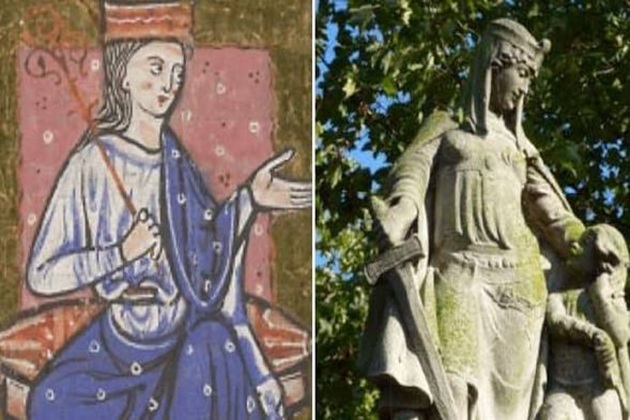
In 911, Æthelred died, and the Mercian nobility elected Æthelflæd as their rightful ruler, proclaiming her “Lady of Mercia.” This was a unique event in Anglo-Saxon history.
Æthelflæd’s reign was marked by military innovations and relentless military campaigns. She continued her father’s policy of building fortifications, which were not just defensive but also served as bases for attacking the Vikings and regaining lost territories. By 917, she was ready to launch her first major offensive against the fortress at Derby, which was considered one of the most heavily fortified cities that had been conquered by the Vikings several decades earlier.
In that fierce battle, several of Etheldreda’s most valiant and cherished warriors were lost. It was a great loss for her, but the victory was decisive: Derby fell, and with it, a significant portion of Mercia’s territory was regained. Etheldreda’s successes continued in 918, when Danish Leicester surrendered without a fight, and Viking leaders from York declared that they were ready to submit to her authority. However, just a few months later, Etheldreda was gone. She died at the age of about 40, and this contract ended with her death.
A woman ahead of her time
Æthelflæd died on 12 June 918, just as her influence was at its height. She was held in great esteem, with stories and poems written about her, and was described as the wisest of all women, ahead of her time. She worked closely with her brother Edward the Elder, who ruled Wessex and later all of Anglo-Saxon England. Their partnership was crucial in the reconquest of Danelaw, a region under Viking control. They coordinated military campaigns, shared intelligence, and supported each other in efforts to expand and fortify their network of fortresses.
Etheldrida was not just a warrior, but also a shrewd diplomat and a devout Christian. She understood the importance of the church in legitimizing power and strengthening unity, so she invested heavily in religious institutions, founding and funding churches and monasteries, most notably the monastery in Gloucester, where she was buried next to her husband. If she had lived a little longer, she might have united all the kingdoms of England for the first time in history.