
How to know when you already have enough

It just so happens that we are used to measuring the level of life satisfaction with money, success, position, and material values. It is believed that having a good salary, your own square meters, and the ability to buy anything without counting every penny is a sign of stability. This means that a person has everything they need. In reality, it doesn’t work that way. You can have an above-average income and your own apartment, even without a mortgage, and still wake up every morning feeling that something is missing for you to be happy. And you can earn modestly, but at the same time feel much better. The feeling of fulfillment, gratitude, and inner satisfaction is not changed by money alone. Here are some signs that will help you understand: you really have enough of what you have.
7 signs you already have more than enough
1. You don’t need any special reasons to feel joy

In order to feel joy, you don’t need a special reason like a holiday, bonus, or vacation. You feel quite happy in your daily life. Pleasant moments happen to you every day: you see your family and friends, support your hobbies, enjoy your favorite food, enjoy physical activity, and so on. And for that, you don’t have to convince yourself that everything is enough for you. Not at all, you yourself notice how much good there is in your life. Not because of any large-scale and unique events, but despite everything that is happening around us.
2. Your desires are not related to basic needs
If you live in constant scarcity, then all your desires come down to meeting basic needs. You will dream of filling your stomach to the brim, buying harmful but delicious food in reserve, saving up for something that you cannot afford, just so as not to stand out from others for the worse. A well-fed and well-shod person who has enough money to cover all basic needs thinks differently. He knows for sure that his earnings will cover all the mandatory expenses, as a result of which he can afford to dream of something more. It is important to understand that we are not always talking about the pursuit of material values. No, he may desire changes in the space around him, travel, self-realization, new hobbies or socializing.
3. You stop keeping track of how much other people earn and what they buy

In general, when you have enough of your own income level, someone else’s earnings cease to be a point of reference for you. You can be genuinely happy for someone you know who got a promotion, started a business, or bought an apartment. And at the same time, disturbing thoughts will not appear in your head, pointing out your gaps. Visit. A F R I N I K . C O M . For the full article. If the success of the people around you is not perceived by you as your personal defeat and you voluntarily withdraw from the race for success, then your life has finally returned to normal. At least you get enough from her to feel stable, comfortable, and quite happy.
4. You calmly refuse profitable offers if you don’t need them
There is another marker of a person who is used to living in constant shortage: he cannot get past various promotions, sales, and cashbacks. Every time he comes across a profitable offer, he immediately decides to take advantage of it. Even when the product or service itself is not of the best quality or is not needed at all. If what you have is enough for you, you won’t be constantly chasing imaginary benefits, gaining more than you can use. This applies not only to material offers. You will stop agreeing to uninteresting projects just for the sake of a resume, take additional part-time jobs, cancel plans with loved ones, just to earn the loyalty of management.
5. You can help another person without internal bargaining and expectations of reciprocity
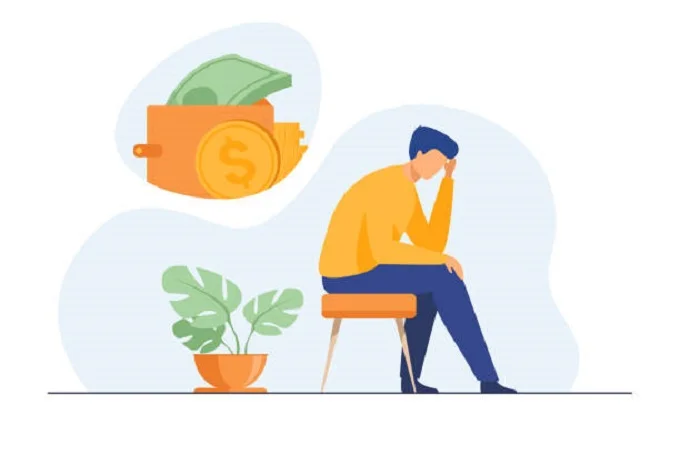
When you have too little strength, energy, time, money, and other resources, every request for help can cause you inner irritation. You immediately think about what you will get in return and whether it is worth the planned costs on your part. Such thoughts in this situation do not come to mind at all because of selfishness or indifference. It’s just that you live in constant shortage, and even one simple request from a loved one can lead you into a negative situation. Just restoring resources is not enough. In this case, you will still worry that you are literally tearing the latter away from yourself. In order for you to share something without doubts and worries, you must have an abundance of it. Then you can easily help someone else from the bottom of your heart, without feeling like you’ve lost time, energy, or other resources.
6. You stop postponing pleasure for later
If you constantly postpone rest, job change, hobbies, or even socializing with your loved ones until better times, you’re used to living with a constant shortage of resources. Even when you have the opportunity to take a day off or buy something you’ve wanted for a long time, you don’t rush to do it. It seems to you that at any moment you may run out of money, time, opportunities, and strength, and then it will become even more difficult to maintain the necessary standard of living. The situation is completely different if you have had enough of what you have for a long time. You begin to treat your resources more simply: more often you do things that bring you pleasure, just for the sake of positive emotions, without expecting any material result. It turns out that your favorite hobby, walks, and meetings with people dear to you perfectly fit into your schedule.
7. You stop using shopping or delicious food as therapy

Often, in moments of boredom, resentment, or sadness, you want to please yourself quickly. And then spontaneous purchases or food come to the rescue. It works very simply. As soon as you buy yourself something to lift your mood, you feel like you’ve fixed the situation. It’s like the emotional hole is closed and you can move on. In reality, the feeling of happiness passes quickly, and you are overwhelmed by the very state you were trying to escape from. When you have enough of everything, the need for such stimulation disappears by itself. You can go to the store for a specific item and only go out with it, without picking up a bunch of little things along the way; you can adjust your diet, minimizing everything that harms your body, and stop overeating.