How purebred dogs became a status symbol of Europe’s aristocracy
For many centuries, dogs lived next to humans, but if ordinary people in the old days kept dogs exclusively for functional purposes hunting, guarding, and grazing herds- then the nobility and aristocracy considered dogs to be an indicator of status, wealth, and often even a symbol of power. Breeding purebred dogs was considered a prestigious occupation in aristocratic courts, and dogs sometimes talked more about their master’s status than the coat of arms on his gates. Some breeds were even associated exclusively with certain noble families or monarchs.
Dogs as a part of aristocratic life
Aristocratic life has always been defined by great wealth and ownership of lands inherited from previous generations. The nobles divided their time between majestic country estates and luxurious urban mansions, spending their days managing vast estates, indulging in elite leisure, and dictating cultural standards to society. Today, when we imagine the European nobility, we picture in our imagination majestic castles, endless forests, hunters on horseback, and elegant court palaces. And against the background of this beautiful life, dogs are certainly present. They have always been an integral part of noble residences, and their significance went far beyond the ordinary pet. In fact, dogs played a very important role in the daily lives of noble families, being a status symbol and a vivid means of self-expression.
Often, large kennels were created at the noble courts, at that time called kennels, and special people were hired who were exclusively engaged in dog care, which was quite expensive and required considerable experience. Visit. A F R I N I K . C O M . For the full article. The higher the status of the family, the more attention it paid to breeding purebred dogs, which became part of the family identity, and valuable lines were preserved from generation to generation no less carefully than the pedigrees of the aristocrats themselves.
Hunting as a symbol of power and status
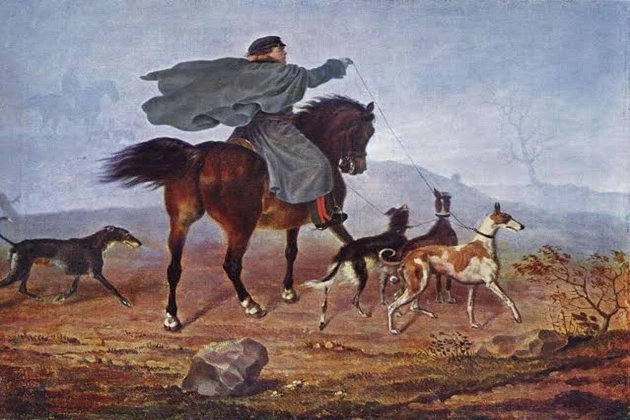
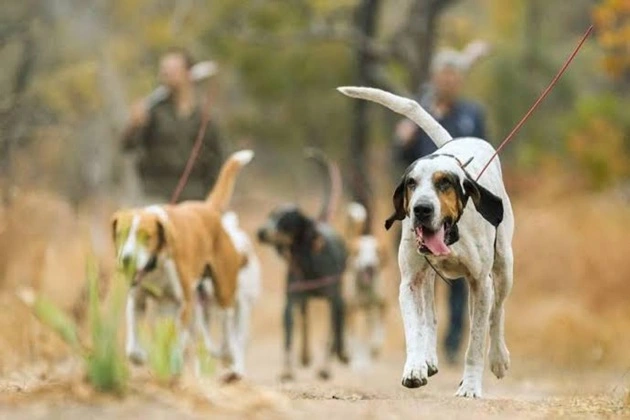
One of the main reasons for the nobility’s close relationship with dogs was hunting, which for centuries has been one of the most important privileges of aristocratic families, a symbol of their power and status. In many European countries, the right to hunt game belonged primarily to monarchs and nobles, while it was often strictly forbidden to subjects. When a hunt was held in an aristocratic residence, important guests took part in it, ties between noble families were strengthened, and various political agreements were concluded. Dogs played a privileged role in these events. Dogs of different breeds performed different specific tasks during hunting: some hunted hare, deer, or fox in packs in the fields, others tracked the animal in the woods, others helped hunters to find feathered game and get it out of the water.
Large aristocratic families built extensive kennels on their estates, which numbered dozens and sometimes hundreds of dogs. These were not just aviaries and booths, but rather complex and comfortable structures for dogs, with separate rooms for adult dogs and puppies, with feed warehouses and training grounds. Dog breeding was an expensive occupation, so the opportunity to maintain a large kennel with staff, creating all the necessary conditions for dogs, demonstrated the wealth of the family. Breeding high-quality hunting dogs was considered not just a hobby, but a social duty of the aristocracy. A nobleman without good hunting dogs was as inconceivable as a knight without a horse. But hunting was not only a men’s activity; many noble ladies also actively participated in hunting and had their own dogs.
A dog as a companion or fashion accessory of the aristocracy
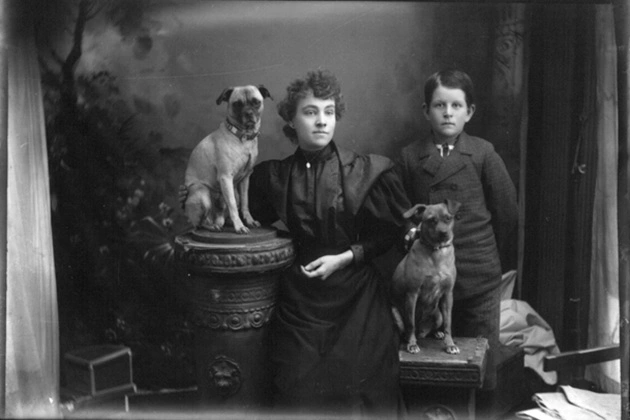
If in the Middle Ages, hunting and guard dogs were kept in aristocratic courts, then over time the role of the dog began to change. Dogs became a fashionable accessory of aristocratic life and a part of court etiquette, and the importance of companion dogs increased. Dogs began to live next to their owners, being considered an ornament of aristocratic salons; they participated in social events and often led a more luxurious life than ordinary subjects, wore collars decorated with precious stones, slept on silk pillows, and their portraits, created by the best court artists, decorated the walls of the palace galleries.
Court ladies preferred miniature dogs as luxurious accessories, which they carried everywhere with them, holding them in their arms, and hiding them in their fur muffs in the cold season. Appearing in society with a “pocket” dog began to be considered good form in aristocratic circles. Large dogs were also a part of the daily life of castles and noble estates. They served as companions for their owners, accompanying them on trips and walks, brightening up their leisure time in those days when aristocratic life was quite boring and monotonous. Dogs also served as guards, which large estates needed, especially in remote areas.
In European courts, there were whole fashion trends related to specific breeds. If a certain dog was favored by the queen or some prominent aristocrat, it quickly became fashionable and became a symbol of social status. In this way, dogs have penetrated art, literature, and court culture. Dogs were provided with their own servants; they were considered family members and were even mentioned in the wills of the owners.
Which dog breeds were most popular among the aristocrats
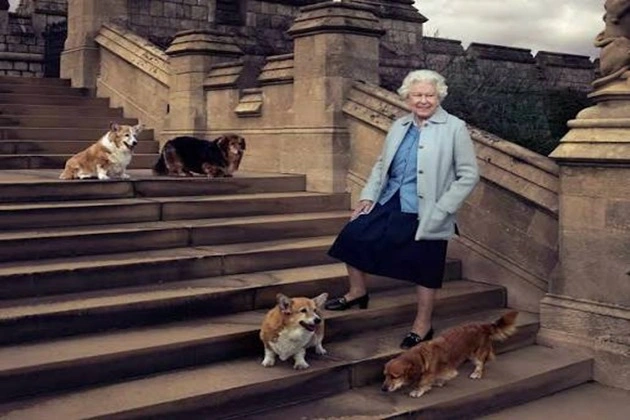
For centuries, noble families have favored various dog breeds, some of which are still associated with the aristocracy. Everyone knows the role of the corgi in the life of the British royal family. Among the hunting breeds, Russian greyhounds were the most popular and highly valued, symbolizing elegance, speed, and refined taste. They were widely used in horse hunting, and also lived at palaces as exquisite salon dogs. Their slender silhouette was considered a sign of nobility, so greyhounds were often depicted in paintings next to their owners.
Hares, foxes, wolves, and ungulates were hunted with greyhounds, often on horseback. Everyone knows the famous “royal hunt” with greyhounds, which is a magnificent ritual of hunting trips of Russian monarchs, the imperial family, and noble nobles, which served to demonstrate power and privileged recreation of the nobility. Good greyhounds were incredibly expensive. Having your own pack of greyhounds and a staff of servants was considered a sign of the highest aristocracy. The nobles gave them to each other as gifts, like rare horses or jewelry. Hounds, which were kept in packs and used to track down game in the forests, were also very popular. Spaniels were used for hunting feathered game, and they were also popular as companion dogs kept in their chambers by noble ladies.