
Digital fatigue: Hidden dangers and smart ways to avoid them
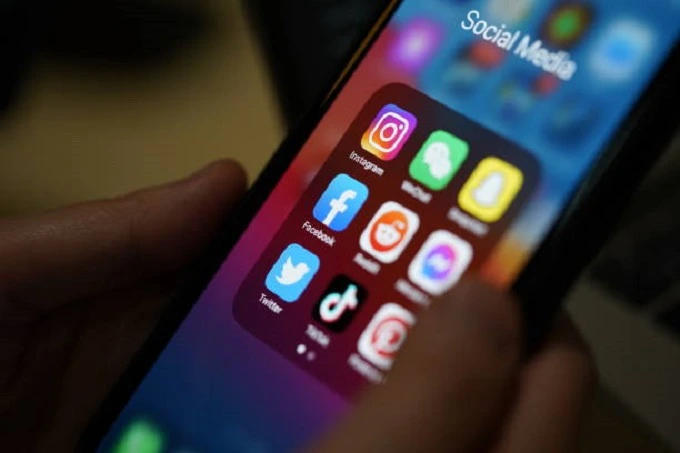
In the digital age, we spend hours every day in front of the screens of smartphones, computers, and tablets. Gadgets have become an integral part of work, communication, and entertainment; however, their excessive use can lead to digital fatigue, a state of physical and emotional exhaustion caused by information overload.
This phenomenon not only causes temporary discomfort but also gradually undermines overall health, affecting vision, sleep, mental well-being, and even immunity. The good news is that digital fatigue can be prevented if you use technology consciously.
What Is Digital Burnout?
Emotional burnout can affect anyone, even those whose work has little to no connection with digital technology. People can burn out by doing something too often or for too long, such as caring for elderly parents, raising children, or exercising excessively.
However, the problem of digital burnout, in particular, is associated with feelings of fatigue, anxiety, depression, or decreased interest in work that arise from using digital devices for too long.
7 Reasons digital fatigue can harm your health
1. The development of computer vision syndrome

When you stare at the screen for an extended period, your eyes blink less frequently, which can lead to dryness, redness, and irritation. Over time, computer vision syndrome can develop, a condition characterized by blurred vision, increased photosensitivity, and headaches. In the long term, this syndrome can lead to progressive myopia, increased eye fatigue, and early development of age-related vision changes.
2. Chronic fatigue and sleep disorders
Blue light from gadget screens suppresses the production of melatonin, the hormone responsible for sleep. Even if you go to bed on time, your brain may not fully relax, which can leave you feeling overwhelmed in the morning. How does this manifest itself? You fall asleep longer, but your sleep becomes shallow. As a result, you wake up tired, even if you slept for eight hours, and you also constantly experience drowsiness during the day.
3. Problems with posture and back pain

Prolonged sitting in one position, especially with your head tilted, while using a smartphone, can lead to osteochondrosis of the cervical region, muscle spasms in the shoulders and back, headaches, and tension. The position of the “text neck” (when the head is tilted forward) increases the load on the spine to twenty-seven kilograms. And in a normal position, the load is only four to five kilograms.
4. Decreased concentration and cognitive abilities
Information overload makes working memory heavier, which makes it harder to focus on tasks. Productivity also decreases, and there is a feeling of “fog in the head.” The issue is that the brain doesn’t have enough time to process the data stream, and as a result, you become tired faster and make more mistakes.
5. Emotional burnout and anxiety

Social networks, instant messengers, and endless notifications keep the nervous system in a constant state of tension. This can lead to irritability, a feeling of emptiness, and depressive states. Research shows that people who spend more than two hours a day on social media are more likely to experience anxiety and dissatisfaction with life.
6. Weakening of the immune system
Lack of sleep, combined with chronic stress, results in a decline in the body’s protective functions. Because of this, you catch colds more often, recover more slowly from illnesses, and the risk of chronic inflammation also increases.
7. Social isolation and loneliness
The more time you spend in virtual communication, the weaker your real social connections become. The paradox is that even with hundreds of “friends” on social media, you can feel lonely because live communication provides much more emotional support.
7 ways to avoid digital fatigue
Give your brain a break

Set aside a “clean” watch without gadgets, for example, a couple of hours before bedtime, to do something useful and enjoyable in reality: read, chat with your family, or lie down in silence. Also, try to arrange “fasting days” — for example, do not log into social networks on weekends.
Protect your eyes with the “20-20-20”rule
Every twenty minutes, take your eyes off the screen and look at an object twenty meters away for twenty seconds. This will help relieve the strain on your eyes, as well as distract you from the flickering screen and the endless stream of information. Additionally, use drops for dry eyes — it is better to consult a doctor to choose the ones that are right for you. And also set up a blue light filter on your devices.
Optimize your workspace

Adjust the screen brightness so that it is not brighter than the ambient light — this will help reduce eye strain. Position the monitor at eye level to avoid tilting your head, and use an ergonomic keyboard and mouse.
Get moving and warm up
Get up every hour and do a five-minute workout, or at least walk around the room. Visit .A F R I N I K . C O M . For the full article. Additionally, try neck and shoulder exercises, such as slow head rotations, to help relax these areas.
Manage notifications

Turn off unnecessary alerts to avoid overloading your brain with unnecessary information and reduce fatigue. Also, set aside a specific time to check your mail and social media — for example, three times a day for 30 minutes.
Practice conscious content consumption
Unsubscribe from unnecessary posts and spam mailings so that they don’t pile on you and provoke fatigue. Try to read books instead of endlessly scrolling through the feed, and also have fun in reality, not online.
Restore live communication

Meet your friends in person more often to foster emotional connections, develop effective communication skills, and feel less isolated. Go for a walk in nature without your phone, and if you prefer to do it with music, consider getting a simple player that allows you to download your favorite songs. Try to find hobbies that are not related to screens, such as drawing, sports, or playing musical instruments.