How to stay uplifted: Mood-boosting habits for difficult periods
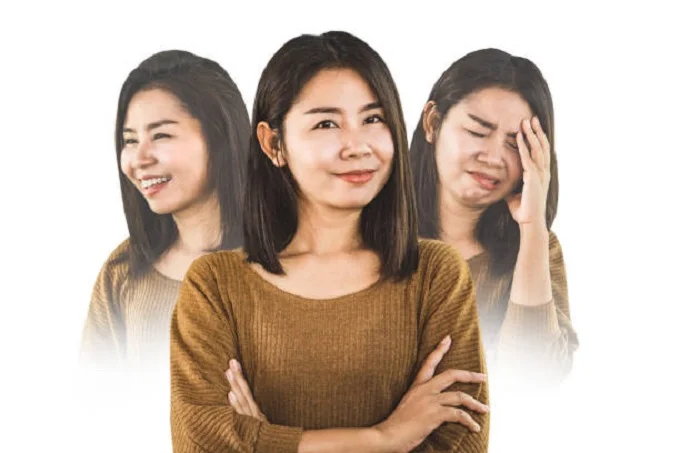
There are times in the life of each of us when it seems that there is nothing good ahead. You suffer setbacks, face disappointments, fall into a state of stress, and eventually sink into despondency. At such times, it is important not to let things take their course. If you can integrate a few simple but effective habits into your routine, your mood will improve significantly soon. Moreover, thanks to these actions, you will be able to effectively resist anxiety and stress.
7 ways to feel better every day when life feels heavy
1. Communication with loved ones

Often, due to the large number of tasks, you may refuse to communicate with your loved ones. It seems that you just don’t have time for this, and it’s better to spend your free minutes working or solving pressing problems. Think about it: you will always have a responsibility, and from time to time you will live through difficult periods in your life. There are and will be problems, but solving them with the support of family and friends is still much easier than being alone.
Set aside at least some time every day to talk to your parents, text a friend, or take a walk with your partner. Interacting with people who love and appreciate you, believe that you will definitely cope with everything, improves your mood and self-esteem.
In addition, communication reminds you that you are not left alone with your problems. Your loved ones are your support and source of inspiration. Do not neglect your need to maintain close relationships, especially during those periods when it is difficult for you.
2. Doing your favorite thing
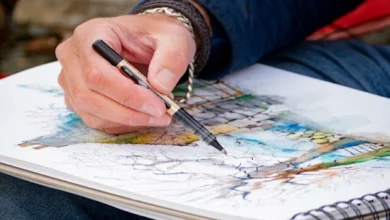
A great way to get away from problems and responsibilities, relax mentally, and feel better is to immerse yourself in your favorite activities. If you have any hobbies or have been wanting to try something new for a long time, now is the perfect time. When you give yourself up to pleasant and interesting activities, you forget about all your worries and focus on the present moment. This, in turn, allows you to relax, reboot, and replenish your energy supply.
Set aside at least half an hour a day for your hobbies: drawing, playing guitar, reading books, building construction kits, and exercising. Visit. A F R I N I K . C O M . For the full article. In general, do what you really like, without regard for other people’s opinions and without focus on results. Over time, you will notice how your mood gets better, and anxiety and stress recede.
3. Physical Activity
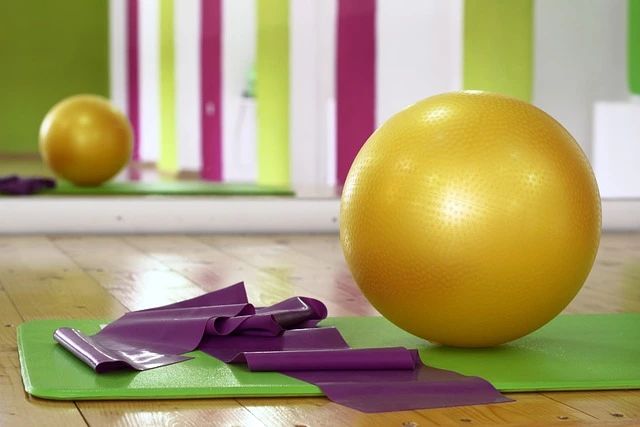
You’ve probably heard the expression “Movement is life” more than once. Physical activity really has a huge impact on your mood and overall well-being. Firstly, this way you can diversify your routine, add new vivid emotions to your life. Secondly, physical activity helps to cope with anxiety and stress and reduces the risk of depression.
And thirdly, in any case, you will receive dividends from your studies.: You can become leaner, fitter, more resilient, and improve your physical health. Separately, we note that you don’t have to run a marathon or go to the gym right away. It is enough to introduce small walks in the fresh air, active hobbies, or at least morning exercises into your daily schedule.
Choose the type of activity that you really like, so that it doesn’t turn into a routine and doesn’t cause you rejection. Set aside at least 15-20 minutes a day for it, and soon you will begin to feel happier and more energetic.
4. Gratitude
You will always be haunted by thoughts that you have not achieved enough. That’s human nature — we want to constantly strive for more. But because of the ambitious goals you set for yourself, many really important things seem to lose their value for you. Don’t forget to appreciate what you have. Switch your attention from what you lack to what you already have.
Every day, find a few things that you are grateful for yourself, your loved ones, and the world around you. Over time, you will learn to notice pleasant moments, to appreciate what previously seemed like a small thing to you. Remember that gratitude is a powerful tool that allows you to reconsider your attitude to life and find the strength to move forward.
5. Mindfulness

There will always be a lot of stress and anxiety in your life, no matter how hard you try. That’s why it’s so important to develop the ability to live in the present moment. Try not to be distracted by thoughts of the past or the future. All you have is here and now. Learn to observe your thoughts and feelings, accept the situation as it is. Don’t focus on the negative — it’s counterproductive. It is better to spend time and effort to calm your mind and return to a normal state.
Mindfulness will help you reduce stress levels, improve concentration, and learn to understand yourself better. And when you are in harmony with yourself, it becomes much easier for you to face the difficulties in your path.
6. Helping others
When you help other people, you start to feel much better. Altruism benefits not only those you support, but also yourself. Such actions have a positive effect on your emotional state, self-esteem, and mood. You see the results of your labors, you realize that your actions have helped make someone’s life better, and this inspires you to achieve your own goals.
Helping other people can take the form of various actions, from volunteering and professional advice to just words of support for those who need them. Even the smallest act of kindness on your part can make your day better. Make it a habit, and you’ll feel happier, even if things aren’t easy in your life at the moment.
7. Taking care of yourself

Taking care of yourself is not selfishness, but an important component of a happy and fulfilling life. It is impossible to effectively handle daily tasks and solve problems promptly if you feel exhausted. The lack of quality sleep, a healthy diet, regular rest, and a careful attitude to one’s own health is expressed in a lack of energy and a decadent mood.
Start seeing self-care as an investment in your physical and mental well-being. Create a comfortable environment for yourself: a minimum of stress, maximum satisfaction of important needs for you. Take care of your health, protect yourself from unnecessary problems, and visit a doctor at the first sign of complaints.