The forgotten Skyscraper: A spiritualist’s dream that turned into a home for pigeons
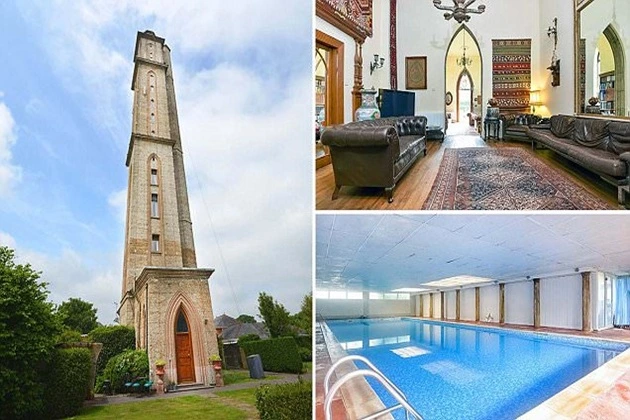
On the outskirts of the English village of 30, located on the southern coast of Great Britain, stands a unique and remarkable structure. It is a skyscraper-high, narrow rectangular tower in the Victorian style, built of unreinforced concrete. It is visible for many kilometers and rises by more than fifty meters. Why was this strange building built a hundred and fifty years ago, which served as a haven for pigeons almost all this time?
A unique building
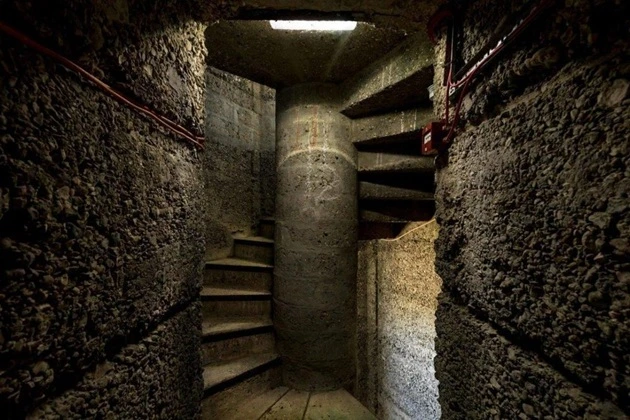
The Sway Tower towers over the neighborhood and is visible from afar. An unusual dome crowns its top, and inside, there is a dizzying 330-step spiral staircase that allows visitors to climb to the top, overcoming all 14 floors. Who and why needed this useless building, which served only as a haven for pigeons for almost a hundred years, until fifty years ago, it was bought out and converted into a rather cozy, very luxurious house.
The uniqueness of this seemingly useless building lies in the fact that it is built of unreinforced concrete without a single iron support. Visit. A F R I N I K. C O M . For the full articles. The Sway Tower still holds the palm tree as the tallest structure built without the use of fittings.
The insane whim of a rich spiritualist
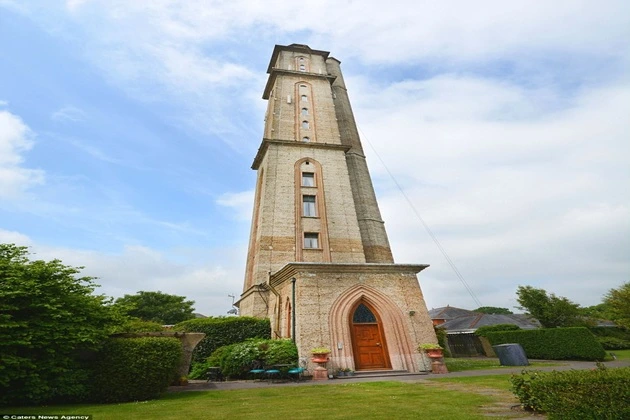
The unique tower was built at the end of the 19th century by a retired judge who became interested in spiritualism in his old age. Andrew Thomas Turton Peterson lived in India for many years. It was there, according to legend, that the ghost of the famous English architect Sir Christopher Wren appeared to him through a medium, who inspired the judge to create a unique structure.
Despite all his wealth and high position, Peterson was not an arrogant and evil man. He was involved in charity work and loved helping people. He even hired only poor people who were in desperate need of money and paid them very generously. The judge also provided housing for all the homeless in the district, building houses for them on his estate.
The construction of the tower cost the eccentric rich man a whopping three tens of thousands of pounds for those times. The height of the tower exceeds six hundred meters, and the walls thin out to the top. At the bottom, their thickness is 60 centimeters, and by the top, this figure is reduced by half. A spiral staircase was built from the outside. Peterson dreamed of installing a huge lantern under the dome of his majestic tower, but it was forbidden to do so, because in this way the structure would resemble a lighthouse and could confuse passing ships.
First, the mausoleum for the judge, and then the abandoned dovecote
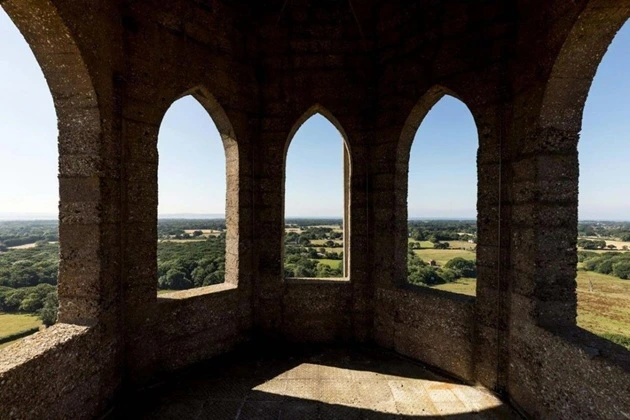
From the top of the tower, there was a magical view of the surrounding area. The rural landscapes were mesmerizing. The judge also saw the structure of his life as his final resting place. And so it happened. For more than half a century, Peterson’s body was kept in the tower of his dreams, which served as a mausoleum. All these years, no one has lived here except pigeons. The birds have chosen a tall building and turned it into a huge dovecote. It was only in 1957 that the remains of the rich man were exhumed and reburied in a local churchyard. Now he rests next to his wife.
A unique tower today
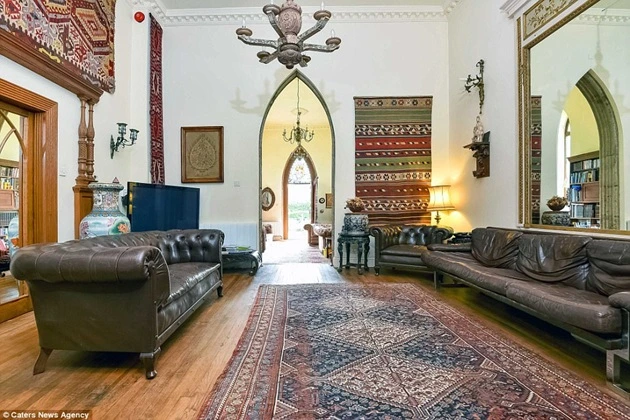
Another 15 years later, the unusual building was sold. A married couple bought a unique abandoned house. Paul and Julie Atlas cleaned the tower of pigeon droppings and put it in order. At first, the building served as a workshop, then it became a bakery, then the Atlases turned it into a residential building, and later it was used as a hotel. The tower has 14 floors and 14 rooms. There is a heated swimming pool, parking, a garage, a beautiful garden around, and even a crypt with a burial permit. Now the couple wants to sell the building. However, they have not been able to find buyers for several years. At first, this unique property was valued by the couple at 3.5 million pounds.
Later, the price was reduced by more than half, but there have been no people willing to become owners of the unusual structure to this day. So far, Atlases have been making money by renting out the upper floors for telecommunications equipment. The structure is also used by emergency services and two mobile operators.