Fighting human trafficking in Africa through empowerment and resilience

Human trafficking, a reinterpreted form of slavery in our time, continues to be one of the growing scourges and a blatant injustice to human freedom and dignity, especially on the African continent. Like slavery in the past, the catastrophic consequences of human trafficking manifest themselves both in the complete dehumanization of its victims, which includes forced labor, sexual exploitation, and, in some cases, organ trafficking, as well as in the long-term effects it has on the families and communities affected by it.
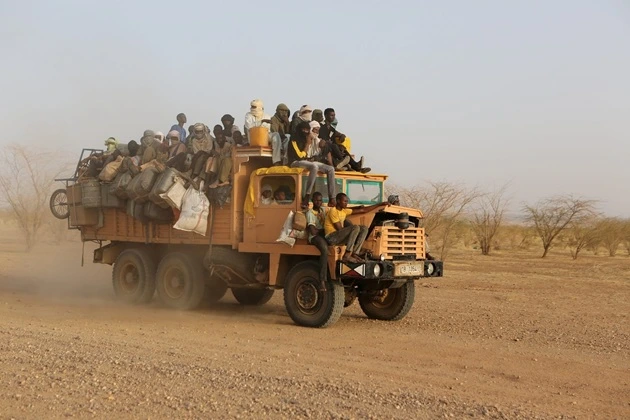
Affecting people regardless of age, gender, or nationality, this criminal activity, although a global problem, is of increasing concern in Africa due to the vulnerability of its population, which, due to several factors, the main of which is the desire to improve living standards, is becoming an easy prey for these traffickers.
Africa’s response to human trafficking
Strengthening laws and regional Cooperation
Many African countries have adopted effective laws to combat human trafficking. For example, the Nigerian Law on the Enforcement and Administration (Prohibition) of Human Trafficking is a model for the region.
Regional organizations such as the African Union (AU) and ECOWAS are jointly developing strategies and protocols for cross-border Cooperation, making it difficult for traffickers to work.
Grassroots and community-led initiatives
Local NGOs, such as HAART Kenya, have reached out to more than 100,000 people through workshops and assisted over 1,000 victims, focusing on prevention, education, and support for survivors.
Survivor-led organizations, such as Survivors Network Cameroon, provide microfinance and business opportunities for women, empowering survivors to become advocates and leaders in their communities.
Education and youth empowerment
United Way South Africa, in partnership with A21, has developed youth prevention programs that train teachers, social workers, and more than 1,000 young people to recognize and counter trafficking tactics.
Awareness-raising campaigns in schools and communities help young people and families make informed choices and identify warning signs ahead of time.
International collaboration and support
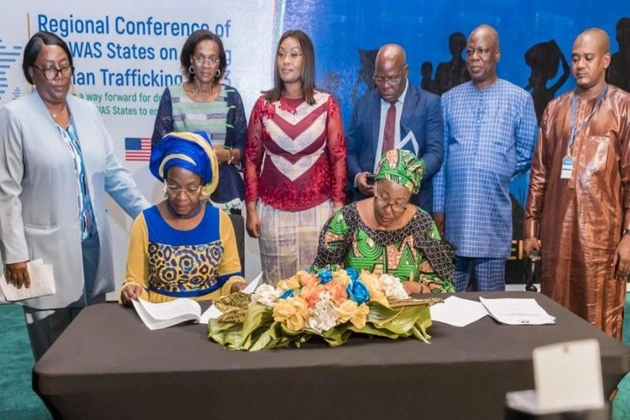
The Migration Management Improvement Program (MMIP) and its networks, such as the Anti-Trafficking Network in the East and Horn of Africa, bring together more than 100 organizations that offer asylum, legal aid, and advocacy to migrants and survivors throughout the region.
Global organizations such as UNICEF, IOM, and Free the enslaved people provide resources, training, and emergency support to at-risk groups and survivors.
7 Practical ways to stay safe and empowered
1. Verify Opportunities
The Internet, like offline advertising, is a marketplace where there are both real and not-so-real opportunities to promote various forms of messages. Although travel, business, or jobs are likely to interest you, you should do more research on agencies, employers, or business deals. Communicating such messages and concerns to family, friends, government agencies, or embassy officials can also help ensure the accuracy of this information.
2. Migrate through proper channels
In search of a better life, many immigrants seek to migrate through unofficial channels due to a lack of proper documentation or limited financial resources. Visit. A F R I N I K . C O M . For the full article. This increases the risk that they will become victims of human traffickers, who besiege many of them or work hand in hand with alleged agents. Migrants need to apply through reputable agencies or recognized immigration services if they wish to move abroad.
3. Limit Oversharing of Personal Information
Instagram, Facebook. The idea that every incident, action, or update in your life deserves to be posted on Twitter, Instagram, or Facebook can lead to you needing less attention, especially from strangers who try to attract attention to themselves under the guise of wanting friendship, making a business deal, etc. Limit the amount of personal information posted about yourself, friends, or loved ones online and offline.
4. Stay vigilant while on transit
It is important to be cautious when visiting a new place or accepting unsolicited help from strangers. Be cautious when traveling in the same car with strangers, whether at airports or on local transportation; always ask for directions from security personnel or familiar employees at various transit stations. Always inform your loved ones or the people you visit about your location so that they are always aware of where you are at the moment.
5. Do not neglect the signals
Suppose the environment seems unfavorable to you or someone’s behavior is causing you concern. In that case, it is essential to listen to the warning signals and try to avoid such an environment or take a step back to gather more information about this person or explore other opportunities. Safety above all should always outweigh the fear of hurting someone’s feelings or missing an opportunity that, in your opinion, is too good to be true.
6. Stay updated
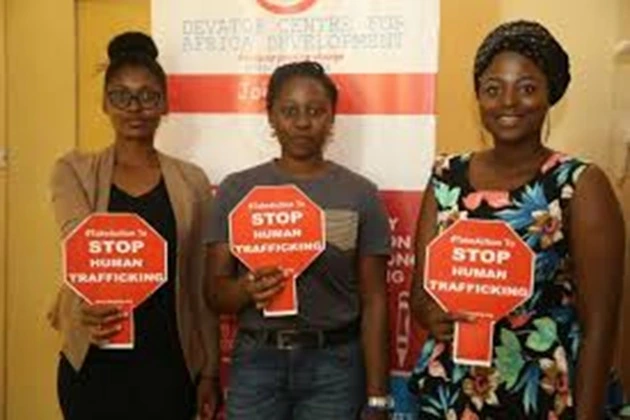
Several organizations are actively involved in the fight against human trafficking and constantly conduct seminars and various programs that teach how to avoid these trafficking circles, as well as the various methods used. They not only constantly update their pages with useful materials that are accessible to everyone, but also provide information on how to get help and support if necessary. Always stay up to date with the latest events.
7. A future of hope
Communities are coming together, survivors are leading the way, and every day, more people are protected and empowered. By staying informed, supporting one another, and working together, we can build a future where every African lives free from exploitation and fear.
If you or someone you know needs help or wants to get involved, reach out to any of the organizations listed above for guidance, support, and opportunities to make a difference.