Sold for cows? The truth behind a unique coming-of-age tradition
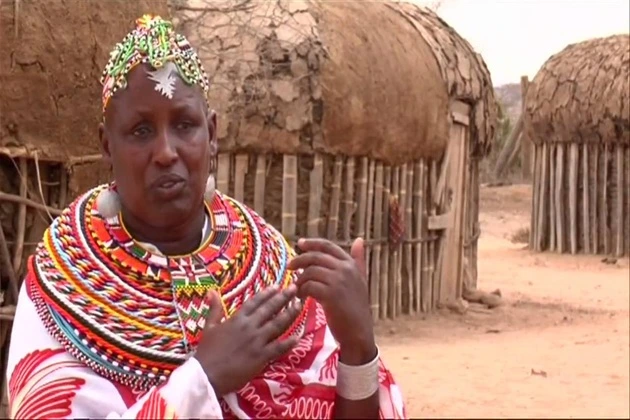
In Kenya, there is a village called Umoja, which is called the Amazon settlement, but in a modern way. They do not fight with weapons, but they are fighting for their rights to be human, because even in the 21st century, ancient principles remain, in which a woman is considered a disenfranchised being. Contrary to patriarchal orders and the humiliating tradition of “female circumcision” for girls, Rebecca Lolosoli rebelled, left her husband, and created a settlement where all women who wanted to leave their husbands or were kicked out by them are accepted.
They were laughed at for not being able to live on their own without custody, but they set up their own business for tourists, have protection, opened a school, and men are not allowed to enter there. They can only come in by invitation, but never stay overnight.
When the patriarchy got: Men in Kenya are allowed everything, women are allowed nothing
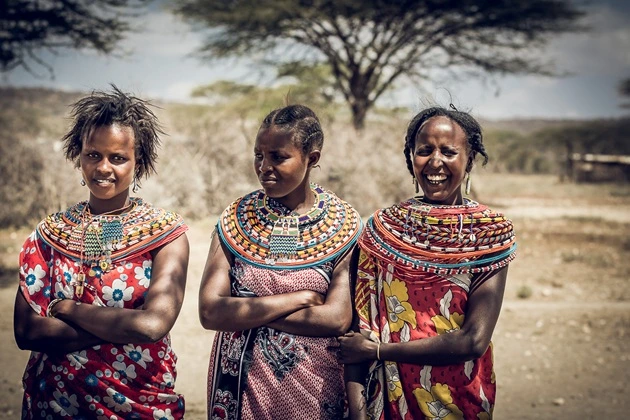
Some cultural traditions imply the complete subordination of women, considering them second-class people. But even among such people, individuals are born who are ready to rebel against the entire system, and if not to overcome it, then at least to declare that women have rights. This is how Rebecca Lolosoli became, having fully experienced the ancient and cruel traditions of her Samburu people.
In the countries of the Middle East and Africa, including Kenya, girls at an early age are faced with a monstrous tradition – they are forced to undergo “female circumcision” and sometimes“Pharaoh’s castration”, which is the peak of cruelty. This monstrous operation has been performed since the age of 9-10 without painkillers and a blade. No one asks the girls if they want to do this – their parents decide for them.
But if it is not done, then such a girl is not married, insulted in every possible way, classifying her as a vicious woman who longs for lust, because it is believed that only men can receive pleasure. This operation mutilates girls, and there are 200 million people in the world who have suffered this. Every year, more are added because the tradition is still alive, and this is even though they may die or remain infertile. Visit. A F R I N I K . C O M . For the full article. It would seem that it could be worse. But, it turns out, there is.
A woman who has been abused will not be protected, but rather kicked out of the house, and she is left alone with her problems. Therefore, they silently endure, and there was a lot of such violence, especially from British soldiers who had been stationed at a military base for 30-40 years. A lawsuit was filed with the British Ministry of Defense for mass violence in Kenya, because, according to preliminary data alone, up to one and a half thousand such cases were counted.
Rebecca went through all these horrors. At the age of 15, she was circumcised; she could not finish school because of the poverty of her family, and at the age of 18, she was married. Although it can rather be called a “sale” for 17 cows. Her husband turned out to be well-off and even helped her start her own small grocery store business, but he also did not deviate much from patriarchal habits to give her freedom of speech, and she wanted to stand up for unhappy women.
For this, she was disliked by Samburu men, beaten, and almost raped by British soldiers. She went to the hospital, but her husband did not stand up for Rebecca. After that, she left him to live separately, and not back to the settlement, but completely apart.
15 women who escaped violence: Umoja Village
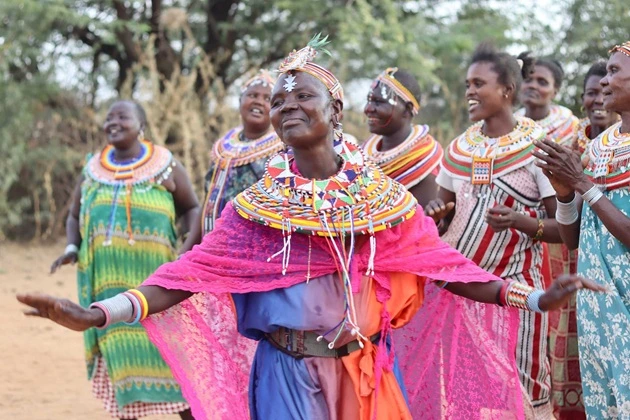
Rebecca and I were looking for peace and privacy from male rudeness from four other women who had experienced violence and did not want to experience it again. This is how the village of Umoja was founded, which means “union” in translation. Subsequently, women began to come to this village, who left the house themselves, unable to withstand beatings, or were kicked out by their husbands for some kind of offense. Someone came with children, and someone was only pregnant. The village accepted everyone and gave them protection. But one main rule had to be observed: no men, at least without the consent of the community, for a good reason, and even more so, he should not have stayed overnight.
The village grew with residents and huts, which the women themselves built from the simplest materials – clay, straw, sticks, and manure, which served as a deterrent. There were 15 women, and then their number increased to 40 and 60. The number was never constant, because women were free in their actions, and if they wanted to return to their husbands after a while, then no one kept them. Those who decided to get married were not stopped either, but such a one had to leave the village.
The strict rules of modern Amazons are: in dresses and beads, and no man can stay the night
If a woman was going to join the Umoja Amazons, then they had to accept their rules. Firstly, all the women wore dresses and beads, which were their distinctive elements. They worked together for the benefit of the village, planting corn plantations, cooking food on the fire, looking after children, and doing everything else that was necessary for the house, village, and community. Over time, a school was opened nearby for their children, but they also did not forbid children from other settlements from coming.
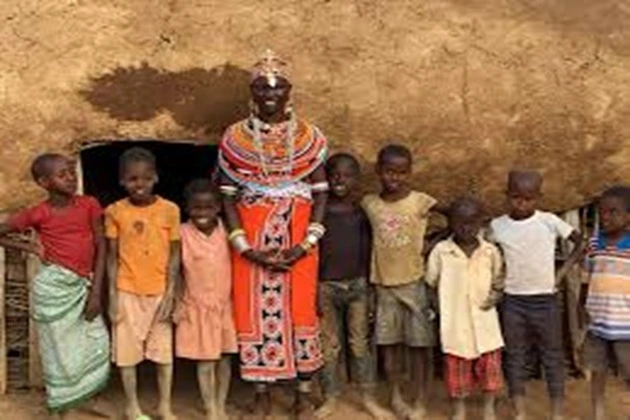
The second and equally important rule is that there should be no men in the village. Although many did not seek to see them after the experience. The exception could be the finding of grown-up boys who grew up in this village and did not pretend to take over, to establish a patriarchy. As long as they accepted these conditions, they could live in Umoja.
Women were not forbidden to meet men if they wanted intimacy, but it had to take place on the territory of the village, and after that, the man had to leave. They were forbidden to stay in Umoja huts at night. The men were angry at the independence of Rebecca and Umoja’s women, so they decided to set up their village of men under their noses to show that they couldn’t do anything without them. But they were wrong. The women from the village dealt with all the problems without asking anyone for help.
Independent women of Umoja Village
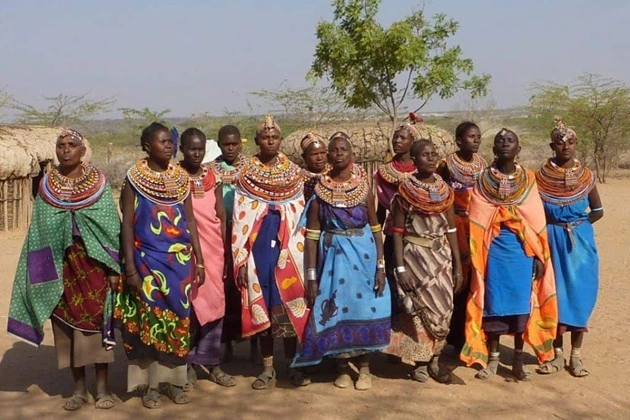
Money was needed to live, and women first tried to sell groceries, but it brought little profit. Having abandoned this idea, they switched to making beads, which tourists were happy to buy. Umoja was on her way to the safari, and the women took advantage of this moment. They built campsites for tourists, opened a museum, held a ceremonial welcome at the entrance, and sold national decorations. Altogether, it began to generate income, because they established a fee for their efforts, small for a tourist, but sufficient to make money in the village.
The entrance to the village costs about $ 20, a hut costs from $ 20 to $ 40, a visit to the museum costs $5, and jewelry costs from $ 15 to $ 20. Tourists get a lot of emotions because Umoja women greet guests with dances and songs, dressed in national clothes and with a lot of jewelry. However, the entrance fee is not always charged; sometimes they are just glad to have guests, and a person entering the village enters as a stranger and leaves as if he were leaving his family.
The changes were made thanks to the persistence of Rebecca Lolosoli, who was repeatedly threatened. Even after 20 years, her ex-husband hated her and came to the village to kill her, but when he couldn’t find her, he set fire to the hut. She wasn’t hiding. She was just away at that moment, because her efforts were not ignored. She was often invited to meetings and conventions of women who are fighting for their rights and the rights of other women.
She met with UN representatives in New York, met with Hillary Clinton, and received several international awards. And Rebecca still managed to get a divorce from her husband, but it took 21 years. But even this can be considered a great achievement for a people who still maintain ancient and absurd traditions.