The most notorious places in criminal history
There are many popular places in the world that attract thousands of tourists from different countries. Some are famous for their architecture, others for their natural beauty, and others for their historical heritage. But there are sights of a completely different kind: places of high-profile crimes and tragedies. Decades have passed since the events that changed the course of local history. Generations have changed, some countries have ceased to exist, and public interest has not disappeared. The desire to personally see places from crime reports or memoirs may seem strange; something is not quite healthy. However, the reasons for this interest do not lie in bloodthirstiness or in the veneration of individual criminals. Most often, this is an attempt to touch on history and reality, which turns out to be scarier or more dramatic than any feature film.
Columbine Memorial
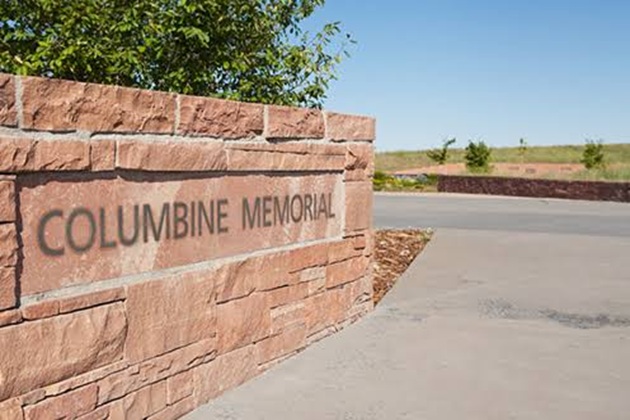
The attack on the Columbine School shocked the United States of America. Similar incidents have happened before, but now the media has a huge amount of CCTV footage. That is why the tragedy was studied almost second by second, reconstructing the routes of movement of the attackers and the sequence of events. April 20, 1999, changed a lot. The authorities have taken new measures to ensure the safety of educational institutions, counter bullying, and develop psychological assistance for adolescents. The instructions for emergency services have also been revised. Since then, the word “Columbine” has become a household name.
Eight years later, a memorial complex was opened near the school, which continues to operate. Commemorative plaques with the names of 13 victims are placed on a small square. The walls are decorated with quotes from relatives and friends. The main idea of the memorial is the memory of the victims. Therefore, the names of the attackers are not mentioned here. It was a conscious choice by the authors of the project, who did not want the memorial to contribute to the romanticization of criminals. People don’t stay here for long, but they finally find out the names of the dead, see their photos, and then usually head to the school itself.
The Jack the Ripper Route
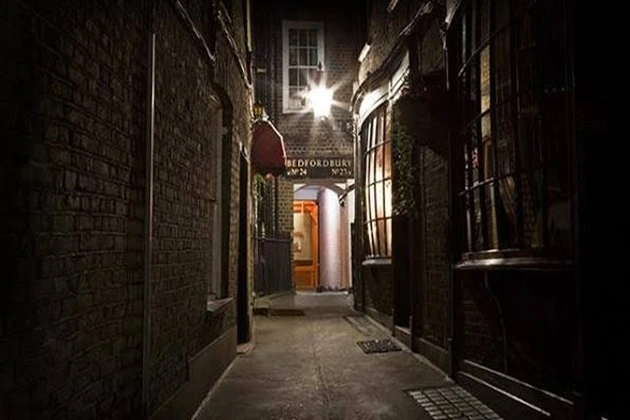
Jack the Ripper is probably the most famous serial killer in world history. He began his bloody harvest in the autumn of 1888. The identity of the perpetrator has not been established. Today, more than a hundred candidates have been nominated for this role, from a simple butcher and a Polish immigrant to members of the royal family. Visit. A F R I N I K . C O M . For the full article. There is no separate memorial or museum, but there are several tourist routes. Guides take people around London, showing narrow streets, working-class neighborhoods, old markets and preserved buildings from the Victorian era.
Passing through here, tourists seem to be transported back a century and a half. They are following the killer’s footsteps and, one might say, they are participating in the investigation themselves. During such a walk, you involuntarily immerse yourself in the context and begin to build your own versions of what happened. The most attractive element for tourists is not even Jack’s story itself, but the lack of definitive answers. 5 serial killers of the 21st century who have not yet been caught
The place of the Bonnie and Clyde ambush
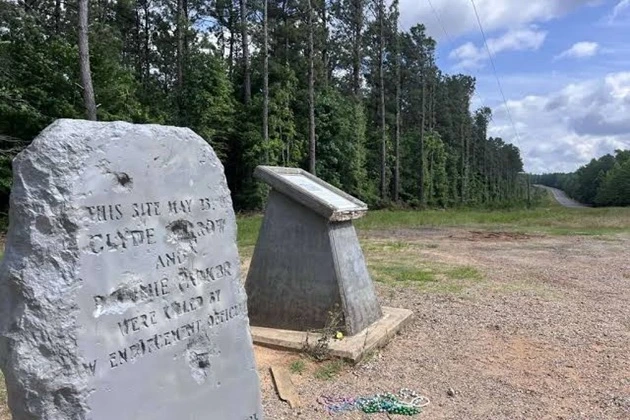
During the Great Depression, the United States was overwhelmed by crime. Some of the most successful and popular gangsters were given the status of “Public Enemy No. 1”, and, as a rule, this became a death sentence. Bonnie and Clyde weren’t the best bank robbers, but they undoubtedly gained the most media notoriety. Perhaps, unknowingly, they romanticized a criminal lifestyle. Raiders, friends, lovers, all at the same time. On May 23, 1934, the story ended: the criminals’ car was ambushed. Six police officers opened fire, firing more than a hundred bullets.
According to press reports from those years, Bonnie and Clyde weren’t even offered a chance to give up; it was an elimination operation. The assembled onlookers literally dismantled the car for souvenirs; some tried to cut off a piece of Bonnie’s hair or cut off a piece of clothing. At some point, the police had to take the bodies of former enemies under guard and disperse the crowd.
Today, a memorial sign has been erected at the site of the ambush, although the old museum dedicated to the gang has already been closed. The riddled Ford V8 was driven around the country for a while as an exhibit. It is now available for public viewing and is on display at the Primm Valley Resort Casino. Despite Bonnie’s desire to stay by Clyde’s side forever, both families insisted on a separate funeral. Their graves have also become popular destinations for gloomy tourism enthusiasts.
Bridge of Spies
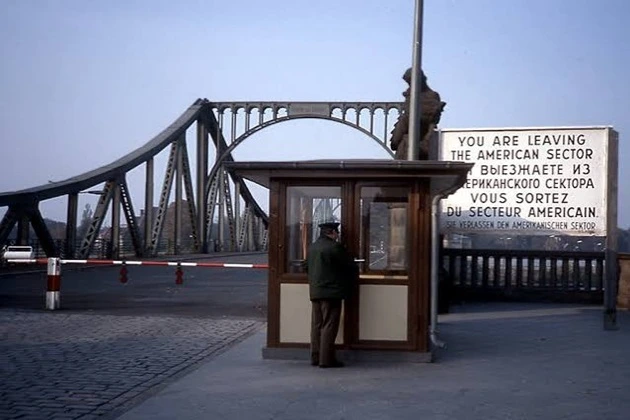
The Havel River can be crossed by the Glienicke Bridge, but that’s what it’s called only by locals. For most people from other parts of the world, this is the “Spy Bridge,” part of the once most guarded border between the GDR and Germany. There were no murders, high-profile robberies, or chases. It was just that two hostile blocs exchanged spies or scouts. It’s up to you to look at it from which side: your own are always scouts, and strangers are always spies. The first and most high-profile exchange took place on February 10, 1962. Then the Soviet intelligence officer Rudolf Abel was exchanged for the American pilot Francis Gary Powers, who was shot down over the territory of the USSR. It was this operation that made the unremarkable bridge a world-famous landmark.
Subsequently, representatives of the warring blocs met here several more times. Each side reached exactly the middle of the bridge and made sure that the exchange took place exactly at the same time. Decades have passed since then, and the Berlin Wall has long been gone, as has the GDR. The bridge is open to everyone, and today everyone can walk this amazing path. Once upon a time, these few dozen meters separated not only Germany, but the whole of Europe.
John Lennon’s murder Scene
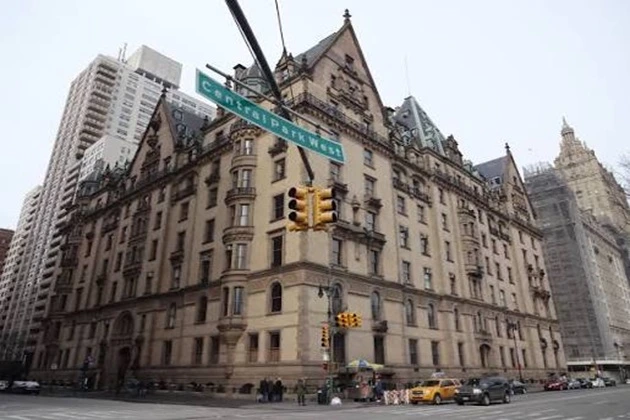
John Lennon is dead. With such headlines on December 9, 1980, newspapers in the USA and Great Britain ran the story. The news shocked the world, and millions of fans hoped to the last that some kind of mistake had occurred. Perhaps the journalists got something wrong, maybe it’s just a similar person, or is it just a question of injury? It soon became clear that the tragedy had actually happened. Right in Manhattan, near the Dakota House. The killer turned out to be the man to whom Lennon had signed the recently released Double Fantasy album a few hours earlier.
Spontaneous memorials appeared almost immediately; therefore, the location for the real monument, “Strawberry Fields,” was quickly determined. Gradually, the memorial ceased to be associated with the murder. Today, people come here not because of the tragedy, but to remember the work of the great musician, meet other Beatles fans, and briefly return to the days of their youth, when everyone was alive and beautiful music was pouring from the radios.