
True strength begins with admitting your vulnerabilities

We all want others to see us as successful people with an ideal image and unshakeable self-confidence. However, in reality, such perfect people do not exist. Everyone has their own weaknesses, which they often hide in order not to spoil the impression of themselves. Unfortunately or fortunately, it is precisely in the awareness and acceptance of one’s shortcomings that there is a huge potential for personal growth. In this article, we tell you why you should stop denying your weaknesses.
9 reasons admitting your weakness is the first step to gaining strength
1. You understand what you need to work with

After you honestly assess your strengths and weaknesses, you will realize what you need to work on. You will no longer have to justify yourself, hide something from others, or be overly careful in your words and actions. Being honest with yourself has huge potential, not only for growth and development, but also for harmonizing your life.
An objective look at your qualities and skills will help you stop ignoring areas where you don’t have enough knowledge, skills that you lack, or fears that paralyze you. You will get the opportunity to fill in the gaps and continue moving forward, but more confident in yourself and your abilities.
2. You’re doing a brave thing
In a society where most people are focused on success and creating an impeccable image, your decision to admit your flaws requires incredible courage. You will go against the flow, violate generally accepted unspoken norms, and admit your vulnerability in the face of possible criticism. Such an act requires honesty with yourself, a willingness to accept yourself for who you are, and an understanding of the consequences that will surely not take long to come.
Admitting weakness is a demonstration of your fortitude, openness, and desire to be in harmony with yourself, even if it means experiencing a negative reaction from others. Visit. A F R I N I K . C O M . For the full article. With courage, you can free yourself from the need to pretend and meet anyone’s expectations.
3. You open yourself to help and support
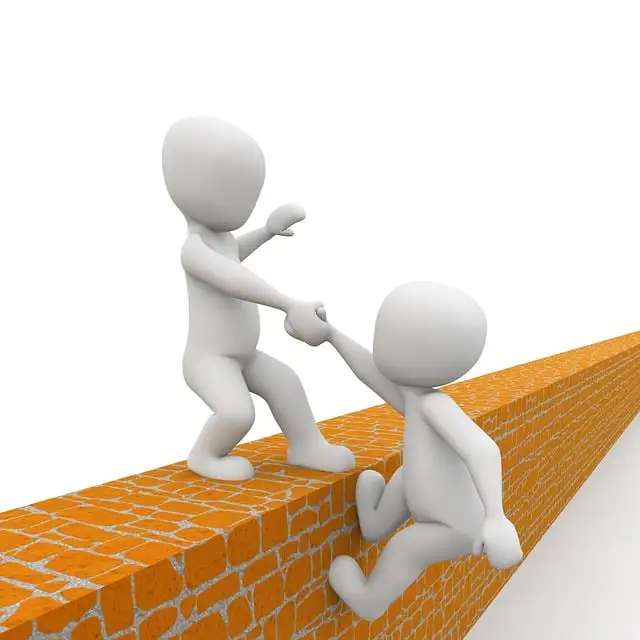
From the moment you admit your weaknesses and shortcomings, you will stop fighting your problems alone. Your honesty with yourself and others will allow you to receive help and support. Other people will see your vulnerability and will be able to offer their participation, knowledge, and experience. This way, you can strengthen your relationships with your loved ones, find like-minded people, and feel much more confident.
Don’t think that asking for help or your decision to accept support from another person is a sign of weakness. On the contrary, only a wise and mature person understands that he should not walk his path alone. If you have an important goal that you need to achieve, you need to use all the resources at your disposal, including using other people, their strengths, skills, and knowledge.
4. You stop wasting energy trying to pretend to be someone else
Think about how much time, effort, and other resources you spend trying to appear better. In an effort to look smarter, more successful, and bolder than you really are, you can shift your focus from really important tasks to maintaining your image. For example, trying on masks in communication, pretending to be knowledgeable in areas in which you don’t understand, and desperately trying to meet other people’s expectations.
This behavior quickly leads to mental exhaustion and does not allow you to focus on your true goals and needs. As a result, the gap between who you really are and who you want to appear to others is rapidly widening. By acknowledging your weaknesses, you free yourself from this exhausting struggle for someone else’s loyalty. You just allow yourself to be the way you are, and use the saved resources to improve the quality of your life.
5. You get the opportunity to learn and grow

By denying your shortcomings, you close yourself off from the opportunities to accumulate new knowledge, gain skills, and grow. As long as you don’t admit to yourself that you have weaknesses, you’re going to be stuck in place. Because without recognizing the problem, you will not see the point in any active actions.
You will start looking for learning opportunities, seeking advice, and trying new approaches to solving tasks only after you honestly evaluate all your pros and cons. From that moment on, you will become truly ready for the process of self-improvement.
6. You allow yourself to stand out and find advantages in it
Many people consciously and unconsciously strive to be like everyone else. Admitting your weaknesses to yourself and others is a powerful way to stand out from the crowd. When you are honest about your limitations, you realize that you cannot be on the same level with other people in everything; you somehow surprise and attract attention to yourself. This, in turn, makes you feel good, because the other person sees you as a living person with your strengths and weaknesses and not as an ideal model.
People are attracted to those who are not afraid to be themselves. After you accept your flaws, you will stop constantly comparing yourself to others and begin to appreciate what makes you special. It is the ability to be who you really are that makes each of us unique.
7. You inspire others to be brave and open-minded

By openly discussing your weaknesses, you dispel the illusion of perfection that often puts pressure on people. You’re showing by your example that it’s absolutely okay to be imperfect. In this way, you create a safe space in which others feel comfortable, revealing their own shortcomings, talking about their mistakes and failures.
When people see someone start talking about what’s bothering them, they stop feeling alone in their problems. By your behavior, you will inspire others to be open, encourage them to communicate honestly with you, and promote their growth and development.
8. You’re learning compassion for yourself and others
Recognizing that you have both strengths and weaknesses requires you to be compassionate and to be able to treat yourself with understanding. When you realize that you can’t always be perfect, you become more tolerant of your mistakes and failures. You stop berating yourself for not conforming to your own and other people’s ideas, and also try to support yourself in difficult situations.
This, in turn, allows you to show more compassion towards other people. You use criticism less often, praise others more often, and become more empathetic. The realization comes: everyone faces difficulties and has their own weaknesses.
9. You’re building deeper and healthier relationships

In order to build a strong and trusting relationship (no matter romantic, friendly, or related), it is necessary to be sincere in communication. Only when you admit your weaknesses to other people will you allow them to see your true self. By discarding all the masks behind which you hid your weaknesses, you will create fertile ground for the development of emotional connection and the establishment of deep mutual understanding.
In addition, people are more likely to reach out to those who are not afraid of being vulnerable. They are more likely to trust a person who is open in communication and does not try to appear to be someone they are not. By acknowledging your flaws, you can build healthier and more harmonious relationships based on mutual respect, acceptance, and support.