Do Roma people really get sick less often? The facts behind the belief
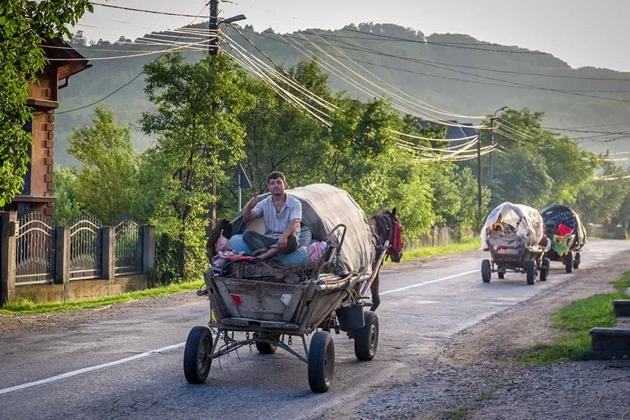
For many centuries, the Roma people led a nomadic life. It was full of hardships and difficulties. The Gypsies did not have their own state. Other nations did not particularly love them. They were constantly moving from country to country. They didn’t always eat well, and there’s nothing to say about hygiene. And in such difficult conditions, they have preserved their culture. Well, not just her. Today, scientists are talking about the Gypsy phenomenon of good health. Doctors are surprised by the unique genetics of the nomadic tribe.
What do the plague and special gypsy genes have to do with it?
Gypsy health has long been of interest to immunologists. Why do Roma have such strong immune systems? For example, the immunologist Mihai Netea has long been trying to understand the reason for this people’s special resistance. It’s worth starting with the background: the plague raged in the fourteenth century. It was a scary time. Almost half of the population of European countries died from the disease. However, Gypsies were very rare among them. Why? Some researchers write that, many centuries ago, the ancestors of modern Gypsies came out of northwestern India and headed for the Balkans. They, as well as other people, faced various diseases. They lived in conditions that are difficult to call comfortable; in fact, in unsanitary conditions. However, these difficulties were not in vain for them. On the contrary, they have served us well.
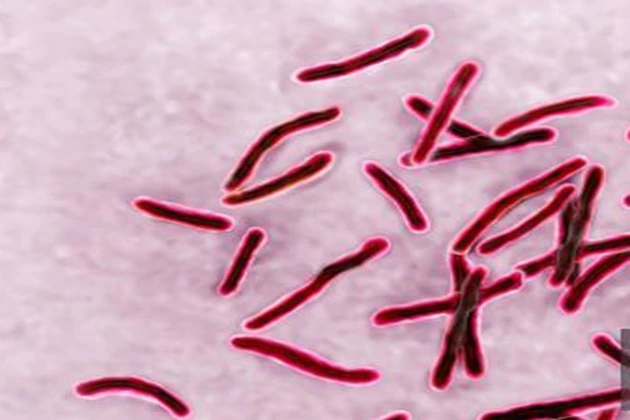
Scientists compared the DNA of European gypsies with the DNA of their great-great-great-great-grandfathers and great-great-great-great-grandmothers from India. The result was stunning: Gypsies have three special genes located on the fourth chromosome. Their task is to encode special receptors. It can be viewed against the background of the aforementioned plague. When these receptors realize that plague bacteria have appeared in the body, they trigger protection. The disease simply could not enter the body. It was this genetic trait that allowed the Gypsy tribe to survive the plague by developing a stable and reliable defense mechanism.
Gypsies are also protected from such disgusting diseases as tuberculosis and leprosy. It seems that these diseases are a thing of the past. But, alas, even today, a huge number of people in Africa and Antarctica are infected. Researchers have found that protective genes can cope with these terrible microbes. Visit. A F R I N I K . C O M . For the full article. In other words, if Koch’s wand enters a gypsy’s body, it quickly dies. Many times faster than representatives of other nations. A kind of compensation for centuries of deprivation.
And another interesting study was conducted by the Netea team. A comparison was made between the genes of Gypsies and Punjabi Indians. A supergene responsible for maintaining balance in the immune system has been found in European Gypsies. It is called ADAMTS12 and relieves a person from autoimmune diseases. For example, there are almost no people with rheumatoid arthritis among Gypsies. But this is a very common disease that Europeans suffer from. In fact, the scourge of our time.
Amazing female immunity
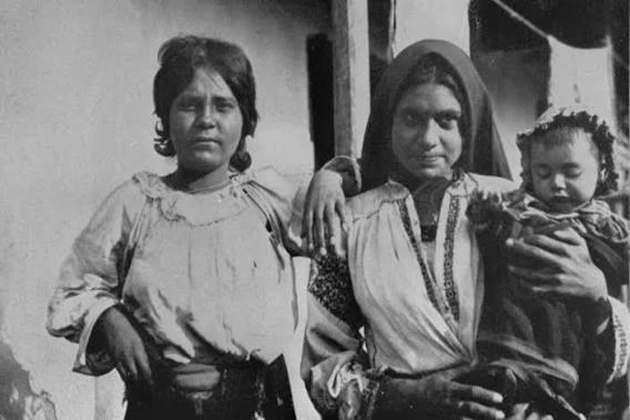
Many consider gypsies to be dirty; they say that they do not follow hygiene. Perhaps this is true, although modern Gypsies mostly lead a normal lifestyle. However, Gypsies are practically unaware of such a problem as breast cancer. What was the reason here? Are there really chromosomes? No, it’s about tradition. Gypsy girls get married very early and have children early, and they give birth often. It is customary to breastfeed children and do it as long as possible. Hormonal contraceptives are also banned. All this together becomes a reliable protection against breast cancer.
Many have seen gypsy children who are carelessly dressed, sometimes unwashed, often messing around in the mud right on the road. It is difficult for modern moms to imagine this, because today children’s hygiene is being cultivated. It is taken very seriously; books and films are being released, lectures are being given, and seminars are being held. But Gypsy children are free from type 1 diabetes and allergies. And it was the dirt that helped them in this.
There is a theory that a child who was raised in sterile conditions is highly likely to develop diabetes or allergies. The fact is that when a child’s body has no one to defend itself from, it seems to be “bored”. He begins to “indulge”. There is an attack directed at himself. Gypsy children are not afraid of dust and dirt. They are being watched as closely as children of other nationalities. They communicate closely with animals; they eat everything. And that’s why they get the strongest immunity. It gives the right reaction to viruses, which are really very dangerous.
Are you starving? The heart will say thank you

Cardiovascular diseases are not widespread among Gypsies. Why? American scientist Walter Longo explains that you can protect yourself from heart disease by eating fewer calories. The history of the Gypsies is directly related to famine. Most often, it was a periodic occurrence. And scientists say that regular fasting can slow down aging and activate the immune system.
There is still an old tradition among the representatives of the Gypsy people: marriages are created between Gypsies. Of course, there are exceptions, but they are quite rare. Artificial isolation helps people to protect themselves from diseases that are inherited. In 2003, the UN published a report. It pointed out that the Roma living in Central and Eastern Europe have poor living conditions. Many are starving. Yes, it’s sad. But the hearts are hot and working properly.
Of course, the claim that Gypsies are free of all diseases would be overkill. But facts are facts. Due to traditions, external factors, living conditions, and immunity acquired over many centuries, individual pathologies are very rare among Roma. And if we talk about getting married within the same community, then this moment is aimed precisely at protecting against Alzheimer’s disease, Down syndrome, and hemophilia. That is, from complex genetic diseases.