
Africa’s leading cashew producers to watch in 2025: Top 6 Countries
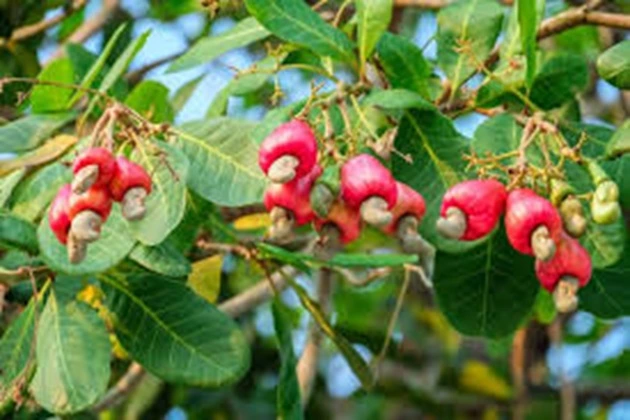
Africa continues to strengthen its position as a global cashew nut producer, accounting for more than 55% of global raw cashew nut production by 2025, according to the African Cashew Nut Alliance and the International Council on Nuts and Dried Fruits.
With growing global demand, particularly from India, Vietnam, the European Union, and China, African countries are ramping up production and investing more in domestic processing to enhance supply chain efficiency. Across the continent, cashews are rapidly becoming a strategic product for rural development, export diversification, and agro-industrial transformation.
However, the continent still faces serious challenges. According to available data, more than 85% of cashew nuts produced in Africa are exported to other countries in their raw form, making it impossible to create jobs, raise incomes, and promote industrial growth. Experts say that processing capacity, infrastructure, access to finance, and market linkages, which remain uneven across the continent, negatively affect Africa’s potential.
Here, we have analyzed the six largest cashew nut-producing countries in Africa in 2025 based on production estimates, policy initiatives, processing indicators, and export data. The aim is to draw attention to both the achievements and challenges faced by the cashew industry on the continent, and to demonstrate where targeted investment and innovation can have an even greater impact.
Top 6 cashew producers in Africa 2025
1. Ivory Coast
Côte d’Ivoire remains the undisputed leader in cashew nut production in Africa and around the world, with production estimated by Reuters and the World Bank to reach 1.3 million tonnes in 2025. The country’s success lies not only in the production of raw materials but also in active investments in processing facilities, which have grown from 68,000 tons in 2015 to more than 350,000 tons by 2024.
This has created over 18,000 jobs and attracted substantial foreign direct investment. Government support played a crucial role: $20 million was allocated to finance the agro-industrial complex, and more than 1,800 km of rural roads were built to alleviate transport problems. The Ivorian Cashew Cultivation Council (CCA) continues to play a strategic role in regulating prices and stabilizing farmers’ incomes.
Despite its dominant position, Côte d’Ivoire is facing external pressures, including the instability of tariffs in the United States and the weakening of the CFA franc. However, a tough crackdown on cross-border smuggling, especially to Ghana and Burkina Faso, has significantly increased official trade.
Industry analysts now view Côte d’Ivoire not only as a giant producer of raw nuts but also as a rapidly developing leader in the value chain with vertically integrated supply chains, improved access to financing for processors, and growing partnerships with global players such as Olam and Intersnack. The Government aims to process at least 50% of local production by 2027, marking a deliberate shift towards self-sufficiency in the agro-industrial sector.
2. Nigeria
Nigeria has become one of the largest exporters of cashew nuts in Africa, with an estimated production of 236,000 metric tons in 2024, surpassing India in raw nut exports. With over 400,000 small-scale cashew farmers growing mainly in Kogi, Kwara, and Oyo states, the country has become a significant hub of the West African cashew corridor.
According to the Nigerian Export Promotion Council (NEPC), export revenue reached $339 million in 2024. However, only 7 out of 12 processing enterprises in the country are operating at full capacity, indicating a significant gap between the volume of raw material production and the value added.
The Nigerian Government has implemented various incentives, including a 5-year tax break, access to export grants, and training under the NEPC Export Expansion program. However, stakeholders argue that insufficient access to finance, high energy costs, and a fragmented logistics system continue to limit Nigeria’s ability to industrialize cashew nut processing.
Local entrepreneurs are increasingly collaborating with Asian firms to supply equipment for cashew nut production, while NGOs such as ComCashew are supporting the training of farmers. If processing capacity increases to at least 30% of production, Nigeria will be able to generate hundreds of millions of additional dollars in revenue annually.
3. Tanzania
Tanzania remains the largest producer of cashews in East Africa and the fifth largest country in Africa, accounting for almost 20% of the total supply to the continent. In 2024, production is estimated to exceed 220,000 tons, primarily in the southern regions, including Mtwara, Lindi, and Ruwuma. Exports of raw cashews remain the dominant source, especially to India and Vietnam.
In response, the Tanzanian Government has invested $72 million in the reconstruction of four large processing plants. These include plants in Mtwara, Masasi, Nachingwe, and Newale, which are being gradually put into operation with the support of the Tanzania Cashew Board (TCB) and private players.
However, despite political reforms such as the establishment of minimum prices and warehouse receipt systems, the volume of industrial-scale processing remains limited. Problems include access to working capital, high interest rates, and a shortage of skilled labor.
However, recent efforts to establish links between processors and banks through government guarantees and the creation of data collection centers closer to farms are beginning to attract attention. Tanzanian officials intend to recycle at least 50% of local production by 2027. This goal is considered ambitious, but achievable with continued investment.
4. Benin
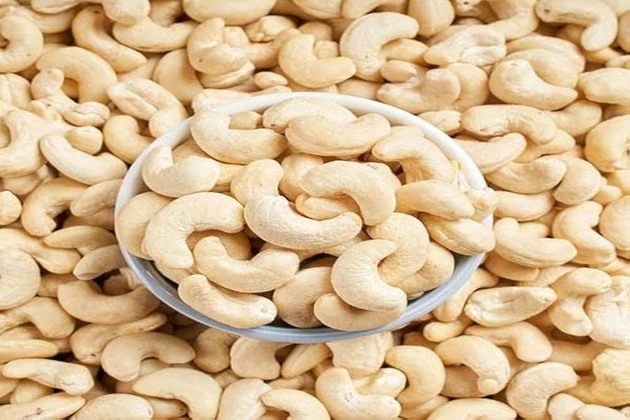
Benin has emerged as a regional leader in cashew cultivation and policy reform in this sector. Visit. A F R I N I K . C O M . For the full article. Production is projected to reach 225,000 tons in 2025, up 12% from last year, and the country is currently competing with Nigeria in raw material production.
The Government’s strict ban on the export of raw cashew nuts, introduced in 2024, prompted a shift to local processing, which was supported by investments exceeding $150 million from the World Bank, AfDB, and ECOWAS in the development of the Glo Jigbe Industrial Zone (GDIZ). This plant alone is capable of processing 150,000 tons per year, making it one of the largest agro-industrial zones in West Africa.
According to the Ministry of Agriculture, Benin’s export revenue reached $110 million in 2023, primarily driven by semi-finished kernels destined for the European and Asian markets. The strategy is bearing fruit: the export of value-added nuts is 3 times higher than the price of raw nuts. The GDIZ project has created over 3,000 jobs, and the country is now positioning itself as a model for cashew nut production on the continent. However, maintaining political will and improving logistics will be crucial to sustain growth.
5. Ghana
Cashew production in Ghana is steadily increasing, and in 2022, it is expected to reach approximately 200,000 tons, thanks to the efforts of more than 400,000 small-scale farmers, particularly in the Bono, Bono East, and Ahafo regions. Government initiatives such as the Tree Crop Development Authority (TCDA) are aimed at diversifying and modernizing Ghana to become a processing hub.
Recycling efforts have been concentrated around Wenchi and Techiman, although most businesses remain underutilized due to capital shortages and power outages. Despite these initiatives, more than 90% of Ghana’s cashews are still exported in their raw form, primarily to India and Vietnam. This model of exporting raw materials undermines the country’s potential to create industrial jobs and add value at the local level.
According to the Ghana Export Promotion Authority (GEPA), Ghana earns significantly less per ton from exporting raw nuts compared to countries with advanced processing systems. However, recent partnerships with GIZ and private investors are encouraging, as Ghana aims to process at least 50,000 tons of local produce per year by 2027.
6. Guinea
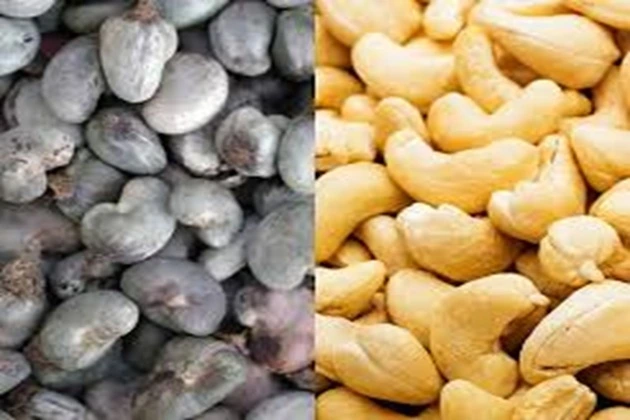
Although Guinea is often overlooked in cashew production statistics, the country consistently ranks among the top six cashew producers in Africa, with an estimated annual output of over 150,000 tons as of 2024. Cashews are primarily grown in the Boke and Kindia regions, with the Government paying special attention to rural participation in initiatives such as the PAISA (Agricultural Sector Initiative Support Program).
However, most of Guinea’s crops are exported in unprocessed form, often through unofficial routes, making it difficult to track accurate data. As in neighboring Guinea-Bissau, Guinea lacks the necessary agro-industrial infrastructure for large-scale cashew nut processing. The lack of organized production cooperatives, credit support, and reliable transportation networks exacerbates this problem.
Meanwhile, the Government’s agriculture development plan for 2025-2030 calls for the creation of cashew nut processing zones and encourages West African banks and ECOWAS partners to invest in upgrading the domestic value chain. Analysts believe that Guinea could generate 4 times more revenue through modest investments in cleaning and packaging equipment.