Great works of architecture that shaped the world
Architecture is an art form that has been celebrated throughout human history. From ancient pyramids and cathedrals to modern skyscrapers and museums, architectural masterpieces have captured people’s imagination and stood the test of time. In this article, we’ll take a look at some of the world’s most iconic architectural masterpieces.
5 Great works of architecture
1. The Burj Khalifa

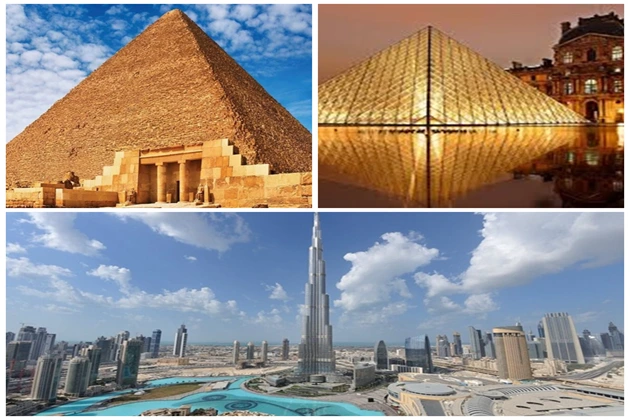
The Burj Khalifa is a skyscraper with a height of more than 828 meters, located in Dubai, UAE. Designed by Chicago-based architectural firm Skidmore, Owings & Merrill, the Burj Khalifa is characterized by its elegant, modern design and distinctive tapering shape. These are just a few examples of the many iconic architectural masterpieces that have captured the imagination of people around the world.
From ancient structures to modern skyscrapers, these projects are a testament to the creativity and ingenuity of architects throughout history. It is difficult to predict with certainty which of the newly constructed buildings will be considered masterpieces in the future, as this definition often requires consideration of time and recognition of the enduring cultural or historical significance of the building. However, several newly built buildings have been highly praised by critics and may be awarded this award in the future.
2. The Louvre Museum

The Louvre Museum in Paris is one of the most iconic buildings in the world and is home to some of the most famous works of art and artifacts in history. The museum’s architecture reflects its rich history, as it has been built and rebuilt over the centuries by several monarchs and architects.
The museum’s most recognizable landmark is the glass pyramid designed by Chinese-American architect I.M. Pei, which serves as the main entrance to the museum. The pyramid consists of 603 diamond-shaped glass panels and is surrounded by three smaller pyramids. The pyramid’s design is designed to create a sense of lightness and transparency, as well as serve as a modern contrast to the historical buildings of the museum.
3. The Great Pyramid of Giza

The Great Pyramid of Giza is one of the most famous structures in the world. Built more than 4,500 years ago, this pyramid is a testament to the skill and ingenuity of ancient Egyptian architects. Visit. A F R I N I K . C O M . For the full article. The pyramid is over 480 feet tall, and it consists of more than 2 million stone blocks.
The Great Pyramid of Giza is a masterpiece due to its enormous size, intricate design, and incredible engineering and construction technologies that were used in its construction more than 4,500 years ago. The Parthenon is considered a masterpiece due to its sophisticated classical design, with its iconic columns, pediments, and friezes decorated with intricate sculptures.
4. The Sydney Opera house
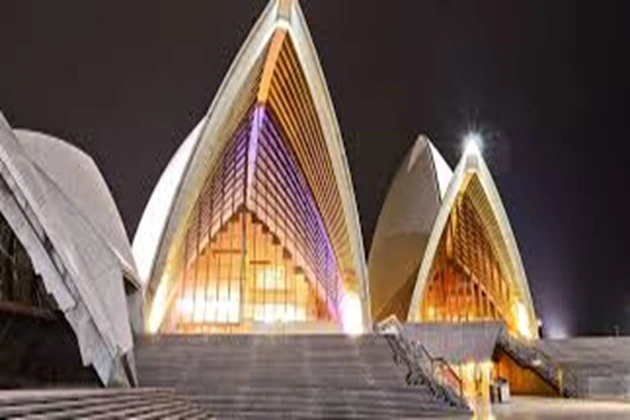
The Sydney Opera House is a performing arts center located in Sydney, Australia, which Danish architect Jorn Utzon designed. The iconic design of the building features sails made of concrete and steel, which are set against the backdrop of Sydney Harbour. The Burj Khalifa skyscraper is a masterpiece of modern engineering, characterized by grace and a characteristic tapering shape that is both elegant and functional.
The white concrete buildings consist of several geometric shapes that combine to create a feeling of smoothness and movement that has no analogues in modern architecture. The use of innovative construction technologies and materials, including precast reinforced concrete and glazed ceramic tiles, further enhances the building’s sense of otherworldliness and uniqueness.
5. The Sagrada Familia
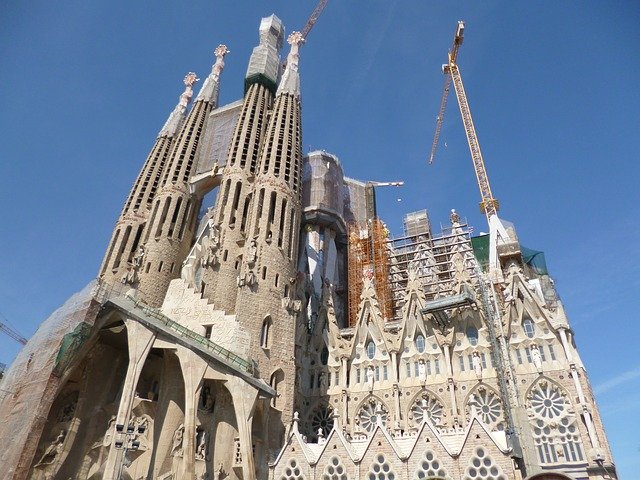
The Sagrada Familia Cathedral is a basilica located in Barcelona, Spain, designed by the renowned architect Antoni Gaudí. Construction began in 1882 and continues to this day, with an estimated completion date of 2026. The basilica features a unique and intricate design, including tall spires and stained glass windows. The Sagrada Familia Cathedral is a masterpiece due to its unique and intricate design, including tall spires and stained glass windows.
The building’s design is also notable for its use of natural forms, such as tree-like columns and intricate stone carvings resembling tree trunks and leaves. This building became a symbol of Catalan identity and was perceived by the people of Barcelona as the epitome of their city’s rich artistic and architectural heritage. Over the years, the cathedral has inspired countless artists, architects, and designers and served as a model for numerous other buildings and structures around the world.