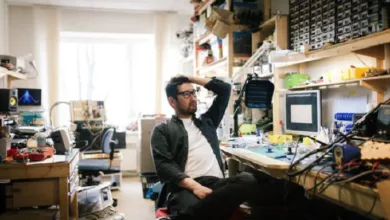
How lack of sleep can affect your Relationship

When the body is functioning properly, sleep helps the brain process the emotions and events of the day. You wake up refreshed, with a clear head and a willingness to absorb new information, memorize details, and calmly analyze everything that happened. However, a lack of sleep can be compared to falling into icy water: the body is urgently trying to maintain its core temperature, sacrificing secondary functions.
The brain also enters a state of survival mode, focusing solely on the most basic tasks instead of functioning normally. Communication, meetings, even trivial matters (for example, picking up clothes from the dry cleaner) — everything fades into the background and is safely forgotten. That’s why sleep is more important to your relationship than you think. Lack of rest can nullify all the efforts you put into building and maintaining a strong bond. Here are a few factors why lack of sleep can cause a relationship to deteriorate.
7 ways lack of sleep can affect your Relationship
1. Emotions become unstable

You’ve probably noticed that after a sleepless night, you become more annoyed, more nervous, or want the other person to get straight to the point. All this is the result of the fact that when you don’t get enough sleep, the amygdala, which is responsible for connecting emotions and memories, functions less effectively. It can produce the wrong amount of neurotransmitters, which is why you either overreact or don’t pick up on the other person’s emotions at all.
Research shows that people with poor sleep have a higher emotional response to stress and a higher risk of depression. Lack of sleep makes us look like a small child who has missed a nap: every little thing seems like a tragedy, and emotions run high. At the same time, we often do not notice that we have become more short-tempered.
The solution is simple: if you realize that you are starting to overreact to trifles, remember how you have been sleeping lately. Sometimes this awareness alone helps to slow down. Better yet, postpone serious conversations until both you and your partner are well-rested.
2. A mismatch in sleep schedules ruins contact
If you and your partner have different schedules (for example, you work at night, while she works on a traditional schedule), it can be challenging to find time to communicate. It’s almost impossible to plan dates or joint activities under such conditions. To avoid getting lost in the chaos, it is best to use a shared calendar. This way, you can see in advance when you will be able to meet, and do not forget about the agreements, because when you do not get enough sleep, your memory also suffers.
If you have different biorhythms, look for a compromise: sometimes go to bed a little later or get up a little earlier. And most importantly, respect her need for sleep — you shouldn’t drag a person into late-night conversations or movies if they need to rest. Sometimes, half an hour of high-quality communication is more expensive than a couple of hours of pointless joint staring at the screen.
3. You get tired faster and get sick more often
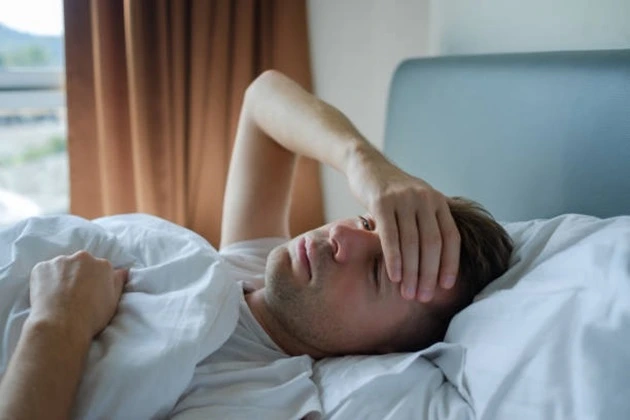
Lack of sleep increases the risk of serious illnesses, from diabetes and obesity to heart problems and depression. Visit. A F R I N I K . C O M . For the full article. However, even a common cold, caused by a weakened immune system, can cause you distress. When you’re lying at home with a fever, the desire to communicate and spend time with a girl is reduced to zero.
If this happens often, the relationship begins to suffer: plans are canceled, meetings are disrupted, and irritation accumulates. Even a minor illness can become a source of stress for your partner, especially if she constantly takes care of you to the detriment of herself. Over time, this also affects the psychological climate in the couple.
4. The level of tolerance for small things is falling
Lack of sleep is like a filter turned off in your head. On a typical day, you’ll calmly walk past a noisy neighbor or ignore a slow Internet connection, but when your body is exhausted, even such small things can drive you crazy. A spoon left on the table or crumbs on the kitchen countertop turn into a catastrophe of universal proportions.
The problem is that your reaction becomes disproportionate to the event, where a light joke or a silent gesture would be enough, you can snap and give an irritated remark. Gradually, such minor skirmishes accumulate, creating a background of tension. And all this is not because your partner suddenly got worse, but because your brain didn’t get a dose of a night’s “reset” sleep.
5. The appearance deteriorates

Sleep is the main cosmetologist of your body. When you sleep, your skin is refreshed, blood circulation improves, and your muscles relax. With chronic lack of sleep, this process is disrupted: dark circles and bags under the eyes appear, the skin becomes pale, the face looks “wrinkled”, and the facial expressions look tired. All this not only affects your self-esteem, but also affects how your partner perceives you.
A tired appearance is a signal that you are at your limit. Subconsciously, this may make her wary or cause her to want to keep her distance, so as not to burden you with unnecessary conversations or requests. Besides, when you don’t like yourself outwardly, self—confidence becomes less, and it is one of those factors that make relationships lively and attractive.
6. The ability to empathize suffers
When the brain is not rested, it is difficult for it to switch to other people’s emotions. You seem to be listening, but you only understand half of what is said, and subtle hints and non-verbal signals pass by. Lack of sleep reduces activity in areas of the brain responsible for reading and interpreting the emotions of others.
You may seem cold, distant, or even indifferent, although you don’t care at all inside. It’s dangerous because a girl may start to feel like you’ve stopped understanding and supporting her. And without empathy, any communication turns into an exchange of dry facts, rather than a genuine emotional connection.
7. The desire for intimacy reduced

Sleep is not only a rest, but also the restoration of hormonal levels. In men who sleep less than six hours a day, testosterone levels can drop by ten to fifteen percent after a week, and this directly affects their libido. With chronic sleep deprivation, you don’t have the resources for romantic initiatives. The body needs to recover, and the brain supports this request.
Your partner may perceive this as coldness, resentment, or loss of interest, but in reality, you’re just physically out of shape. In addition, lack of sleep lowers mood and increases anxiety, which also does not add to the desire for intimacy. As a result, not only does the intimate life suffer, but also the emotional connection in the couple.