How Monarchs were robbed: From simple theft to the plundering of royal treasures
The splendor of royal jewels has always attracted and dazzled mankind. The treasures from the treasury seemed to the layman to be a mythical embodiment of power and authority. The luxury of the details, the harmony of the materials, and the honed art of the craftsmen gave a lot of impressions. However, there was also a terrible danger hidden in their attraction. The thirst to possess them ignited destructive passions, turned into obsession, and forced them to commit the most terrible crimes. What was hidden behind the thefts: desperate need or cold calculation? Why didn’t even the fear of the “dark forces” stop the criminals?
They entered into trust
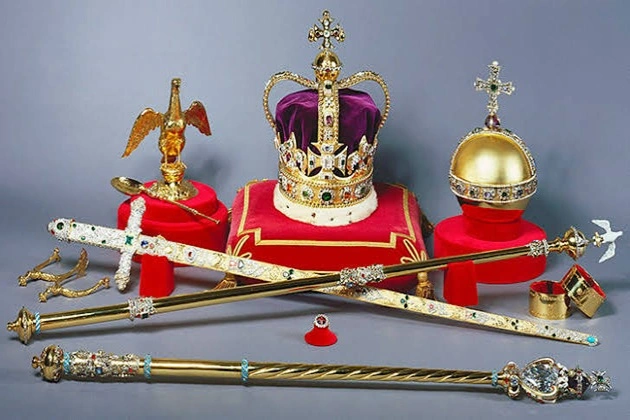
Human nature is very bizarre. We trust everyone without limit, forgive and justify everyone. This is exactly what the clever fraudster who stole the British crown from the Tower of London took advantage of. Thomas Blood pretended to be a preacher and ingratiated himself with the keeper of the jewels. To do this, he just came to the vault for a few days. While examining the treasures, the pseudo-pastor gave short sermons. Then, the adventurer showed up with his girlfriend. The fake pastor pretended to be unwell and fainted. The caretaker took a liking to the pious couple. The two men exchanged a few words, and Talbot Edwards invited Blood to visit.
The guest visit gradually turned into friendship. Later, the friends agreed to marry their children. On the day of the “matchmaking,” Thomas’ accomplices appeared disguised as relatives of the groom and tied up the guardian’s family. Blood carried the crown, orb, and scepter out of the Tower unhindered. Thomas hurried to get rid of the too well-known valuables, but was caught. However, he framed the reason for this theft so beautifully that the king not only pardoned him, but also returned to him the long-lost estate.
They committed outrages out of petty greed
There was no need for complicated plans to steal jewelry from the crowned heads. There were a lot of decorations; they were dressed with enviable irregularity. They were not kept in special records, and there were no controls like modern ones. The jewelry boxes were not locked; they were always in the most prominent places. Unscrupulous servants took advantage of this, and shamelessly, with enviable regularity, robbed their masters. So, under Nicholas I, several lackeys, for a long period, during the cleaning of shop windows, pocketed numismatic valuables. And Pavel Yakov, the stoker, stole jewelry from his wife.
He took things out of the casket and took them to the pawnshop. The gold chain, bracelets, and jeweled clasp returned to the hostess, but she continued to be careless. Visit. A F R I N I K . C O M . For the full article. Alexandra Feodorovna discovered an unfortunate loss more than once: either the ring would disappear, or the ring would disappear. And in Anichkov Palace, diamond earrings had disappeared.
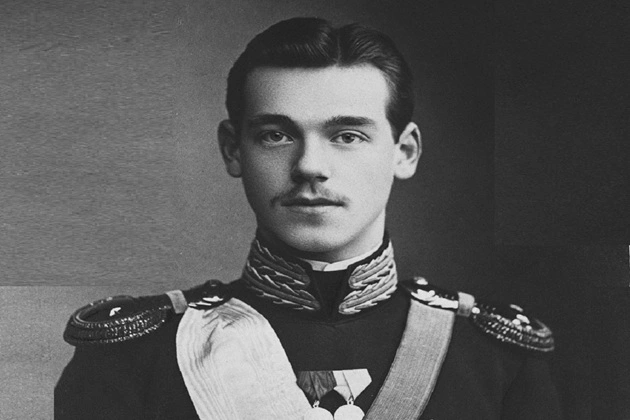
And, after all, she didn’t even notice things were stolen from the box, or they just weren’t put in it. Oh, if only the pious lady had punished the thieves harshly at least once, the thefts would have stopped. But the queen showed mercy to her abusers: she deprived them of their place at the palace. Similar cases occurred under Catherine II. And she, just like Alexandra Feodorovna, treated these troubles with understanding. One day, a page stole her snuffbox, and the Empress only scolded him. Grand Duke Michael Alexandrovich turned out to be less successful than the ladies. A diamond clasp was stolen from him during a costume ball.
He attached it to his hat with his own hands before going out to the guests. The whole evening was in the spotlight of the entire elite. Dozens of servants and a hundred soldiers watched in vain in the hall. How could a theft be committed in such an environment? However, the jewelry disappeared, and a thorough investigation revealed nothing.
They turned the case into a plan
The theft of the huge collection of royal treasures of France from Garde-Meuble was committed by coincidence. One day, a repeat thief, Paul Mietto, ended up in prison, located in the same building where the jewelry was stored. During a street walk, he accidentally discovered the floor plan and decided to make a raid. For five days, the serving prisoners secretly sneaked past the guards into the exhibition pavilion. There they selected the most valuable specimens, threw them out the window, and slowly returned to the cells. The accomplices collected these items under the window.
Among the missing artifacts were two Louisianan royal crowns, religious relics, and precious stones, including the famous Regent, Sapsi, Mirror of Portugal, and De Guise diamonds. On the last day of the “operation,” the criminals became so arrogant that they staged a drinking party with ladies of easy virtue in the vault. If the feast hadn’t escalated into a fight, no one would have known about the event. The guards who arrived at the noise found only a sad picture: broken shop windows, damaged furniture, broken bottles, and leftovers. Meanwhile, the value of the stolen goods exceeded twenty-six million lire.
Myths and promises raised the price of jewelry
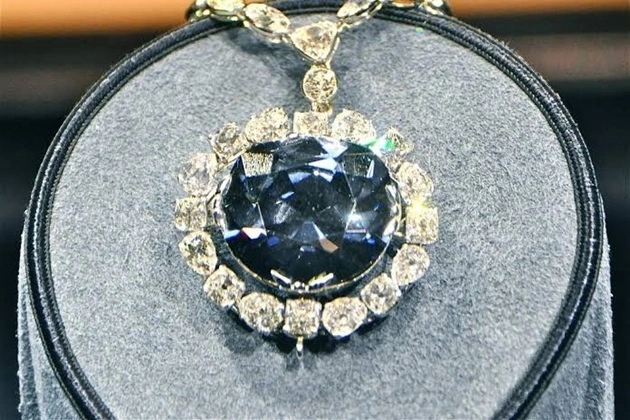
Shrewd merchants have long noticed that the aura of mystery around the gizmo significantly improves the price. This is exactly what the successful merchant Jean-Baptiste Tavernier did. He brought a blue diamond from India. Wanting to get a decent sum for it, Tavernier spread a rumor that the diamond had been stolen from a famous temple. Attributing miraculous properties to the stone, he sold it dearly to the king himself.
However, shortly after the deal, Tavernier died. After him, by coincidence, death overtook Louis the Fourteenth. On the sidelines of the king, they began to murmur: the stone is cursed. Louis the Fifteenth decided to put the dangerous thing far away. But an enterprising court jeweler promised him to improve the aura of the diamond and increase the value of the “Blue Frenchman”. The king himself did not notice how he ordered Pierre-André Jacqumin to get to work. As a result, a ceremonial decoration appeared – a pendant with the Order of the Golden Fleece, decorated with a diamond. But in fact, the king paid from the treasury again, for his own diamond.
They were robbed on a large scale
In tsarist Russia, there were always many people who wanted to enrich themselves at the expense of the state. Alexander Menshikov alone was worth something. With Peter the Great’s boundless trust, he deftly turned many government projects into a source of personal enrichment. Through front contractors, His Serene Highness the Prince appropriated funds for the construction of St. Petersburg. He kept a significant part of the government money in his own pockets. In large-scale undertakings, such as the creation of a canal between the Neva and Volkhov, Alexander generally slowed down the construction.
The workers were starving, and he, the king’s closest associate, packed chests of jewelry, expensive dishes, and rare trinkets in his chambers. Menshikov also appropriated extortionate estates. He illegally took payment from runaway peasants and schismatics who were hiding on his lands. Peter’s chief of staff constantly conducted questionable transactions and overestimated contracts. Some governors did not concede to Menshikov in their greed.
Thus, Moscow Governor Matvey Gagarin deftly manipulated the accounts, systematically underestimated income, and embezzled substantial sums. He was caught red-handed and sent to run the Siberian Region as punishment. However, there he turned around even more. Streams of furs and silver began to reach the capital very rarely. He kept most of the jewels found during the excavations of ancient burial mounds. However, more colossal embezzlement in the country began after the revolution. In nineteen seventeen, the total looting and disposal of the royal treasury took place. Everything that had not been stolen was disassembled into parts. The stones were dug out and sold in bulk. The gold was sent to the melting furnace. Masterpieces of jewelry turned into faceless ingots.
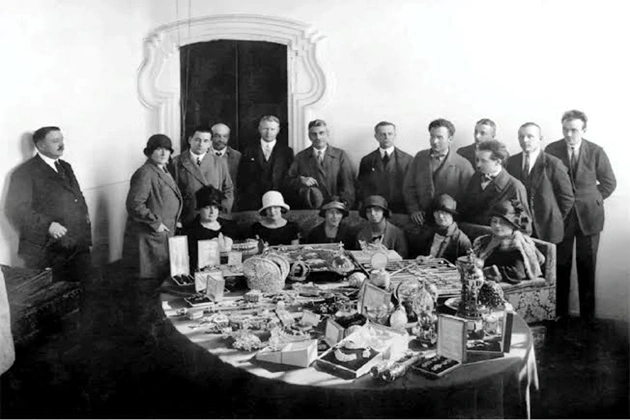
For many years, the new government sold royal treasures to foreigners at low prices. Meanwhile, all over Russia, the legend of their curse was multiplying. The real tragedies fit too perfectly into the ready-made scheme. After all, it is easier to believe in “evil fate” than to realize the chaos of events. Execution, exile, execution, death these words have always increased the value of objects in the eyes of the public. The story itself gave weight to the jewelry found after the execution of members of the Romanov family. Today, these myths excite us no less.