How Salvador Dalí went from surrealist star to outcast
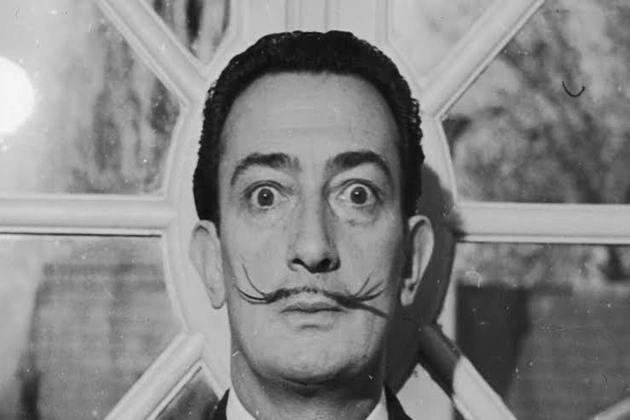
The Spanish painter Salvador Dali was one of the most famous Surrealist artists, famous for his virtuoso painting technique, unique mastery of visual codes, and the creation of paradoxical, phantasmagoric images. However, he wasn’t easy to deal with. He often shocked others with his outrageous and sometimes aggressive behavior and scandalous statements, which eventually led to his official exclusion from surrealist circles.
A strange child who has been characterized by shocking behavior since childhood
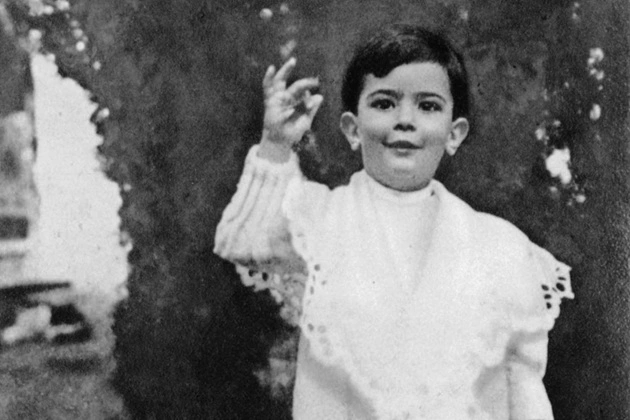
He was the second child in the family of the Catalan notary Salvador Dali, born a year after the death of his older brother, also Salvador, who shared the same name, which means “savior.” Since childhood, his parents had taught him that he was the reincarnation of his dead brother, and the ghostly memory of this lost brother haunted him for the rest of his life and may have influenced the formation of his character. Salvador has been a strange child since childhood. Surrounded by the care of his parents, the boy was never denied anything, and often allowed himself to behave indecently. At the age of five, he pushed his friend off a suspension bridge, and while the poor child was bleeding below, little Dali sat quietly on the bridge and ate cherries, watching his suffering. Later, he admitted that he was delighted with the panic of adults when doctors treated the injured boy.
A year later, he kicked his three-year-old sister in the head because he thought she looked like a ball. To the horror of his parents, such antics were often repeated, but Salvador never felt guilty, even seemed to feel like a real hero. Growing up, Dali often told violent stories from his childhood with obvious joy, if not with pride, enjoying every detail of his story. As he got older, his behavior worsened. At the age of about thirty, he literally “trampled” a woman who had the temerity to compliment him. Dali’s friends barely dragged him away from the victim. The artist’s whole life was filled with horror stories about attacks on women, including his own wife, Gala, who repeatedly suffered physical violence from her husband.
He was forgiven a lot for his outstanding artistic skills
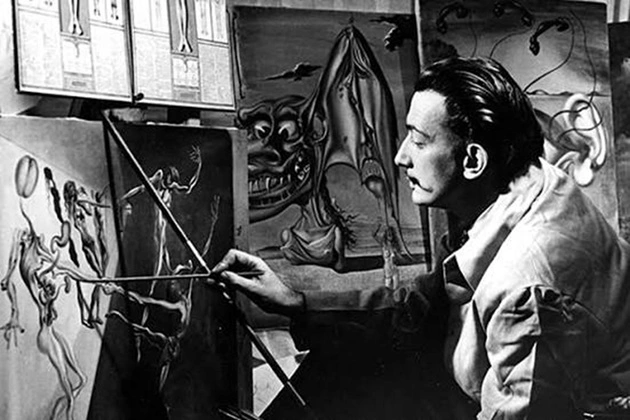
Dali’s drawing abilities showed up early; already at the age of four, he made his first drawings, and by the age of ten he began to seriously study painting. His father set up a small workshop for him with an easel and other necessary accessories. His first works were in the style of classical painting, depicting landscapes of Catalonia and the surroundings of his hometown of Cadaqués. In 1922, Dali entered the Academy of Painting, Sculpture and Engraving in Madrid, began experimenting with Cubism, and soon became the leader of an avant-garde group of young Spanish intellectual artists. He had a very high opinion of himself, and after four years of study, he was expelled from the Academy for refusing to take his final exams, claiming that he knew much more about painting than the examiners.
Over the next few years, Dali traveled a lot, exhibited his work, including at international exhibitions, and soon gained real international fame. In 1929, after a successful solo exhibition, Dali was accepted as a member of the surrealist movement in Paris. Although the community recognized his outstanding artistic skills, his aggressive behavior and strange jokes often caused discomfort to others. But thanks to his fame, Dali was forgiven a lot and turned a blind eye to a lot. Gradually, Dali’s gaze became more and more anxious. After the Nazis came to power in Germany, he began to publicly express his admiration for Hitler, which shocked other members of the group, many of whom were staunch communists and victims of fascist regimes in Spain and Germany. Nevertheless, this did not stop Dali from praising Hitler, although he later tried to turn it into a joke.
Dali’s strange behavior and outrageous political views caused increasing discomfort in artistic circles. No other artist was more aware of the depth of Dali’s views and aspirations than the ideological leader of the surrealist movement, Andre Breton, who was a staunch anti-fascist and a member of the French Communist Party, radically intolerant of any form of pro-fascist rhetoric. During Dali’s years in surrealist circles, he did not have a very good relationship with Breton, who was so outraged by his behavior and statements that he took action.
In fact, Breton twice subjected Dali to semi-public trials. The first time this happened was in 1934, when the leader of the Surrealists accused the Spanish artist of supporting a new phenomenon at that time: Hitler’s fascism. Initially, Dali argued that the Nazi regime was surreal in nature, and defended its methods as the latest and most original artistic expression. Visit. A F R I N I K . C O M . For the full article. In his early works, Breton himself urged artists to “work outside of any aesthetic and moral norms,” but Dali seems to have taken this too literally.
Exclusion from the Surrealist community
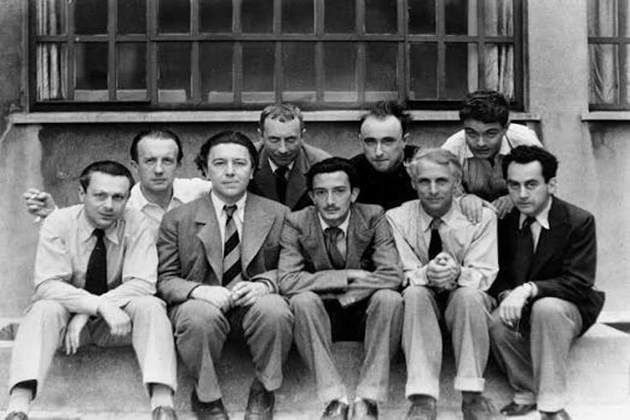
The first trial did not lead to any significant results. Dali managed to defuse the tension with another series of pretentious and absurd statements and won the sympathy of several prominent surrealists such as Paul Eluard and Tristan Tzara. The trial ended with a collective warning, which did little to deter Dali’s remarks. Some artists even concluded that Dali’s insistence on this issue was just a methodical attempt to hook Breton and undermine his position as the leader of the group.
Five years passed before Breton’s patience finally ran out. By that time, he had collected a collection of shocking statements and letters from Dali, which served as proof of either his madness or his incredible cruelty. These letters were lost during the years of Breton’s travels, and only recently were they suddenly discovered in the private collections of art historians close to surrealist circles. In them, Dali praised Hitler and the Spanish fascist dictator Francisco Franco, who forced thousands of people, including some surrealist artists, to flee the country, fearing for their lives.
The Secret Life of Salvador Dali
Despite Breton’s efforts, little has changed for him personally and his career since Dali’s exclusion from the Surrealist group. Moreover, his isolation from the rest of the surrealist community reinforced his reputation as an independent, unique, and eccentric genius. Dali wasn’t going to apologize to anyone or explain his views; instead, he stated that he was already the only real surrealist and didn’t need any collaborators. Freed from the constraints imposed by the opinions of other members of the community, he developed his own version of surrealism – populist, shocking, but impressive enough not to be rejected. He aroused genuine interest and sold his works of art for fabulous money.
In 1942, he published his autobiography, The Secret Life of Salvador Dali, in which he described both his career and all his life’s misdeeds. The book aroused great interest in society; some praised it, others mercilessly criticized it; nevertheless, it soon became the most popular and quoted work. The crowd readily forgave the most shocking, disgusting, and dangerous manifestations of Dali’s character, considering him a real genius, and did not even find any contradictions in this. And even now, many critics are convinced that Salvador Dali’s eccentricity was based not on genuine political beliefs, but on an artistic desire to shock the public and was the key to creativity.