
Nations without an official language: How does it work?
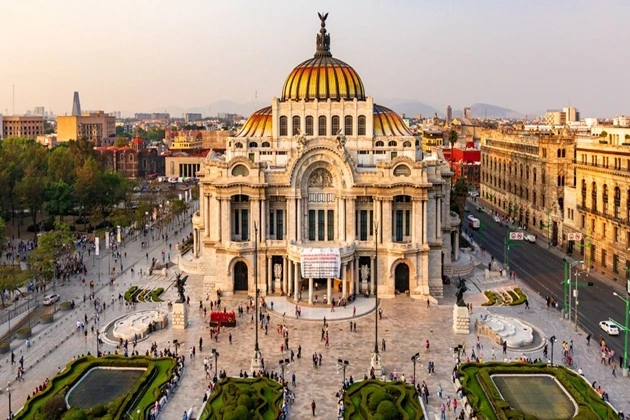
On March 1, 2025, US President Donald Trump signed a decree according to which English is recognized as the official language of the country. Previously, it was fixed as official only in some states. Historically, the United States has been a country of migrants. Therefore, the population spoke their native languages: German, Dutch, Flemish, French, Danish, Norwegian, Swedish, Polish, Portuguese, Italian, and others. And, of course, English.
In 1780, U.S. President John Adams wanted to establish an official language, but members of the Continental Congress did not accept his proposal. English became the official language of the country only 245 years later.
Why do I need an official language?
First of all, the documents should be unified. Imagine what would happen if some of the documents were in one language and some were in another. It’s a mess! The official language should be used by authorities, the media, and representatives of the education and upbringing sector.
In fact, it simplifies the governance of the country and promotes national unity. But there are other countries where one or more languages are official only behind the scenes.
5 countries have no official language
1. Great Britain
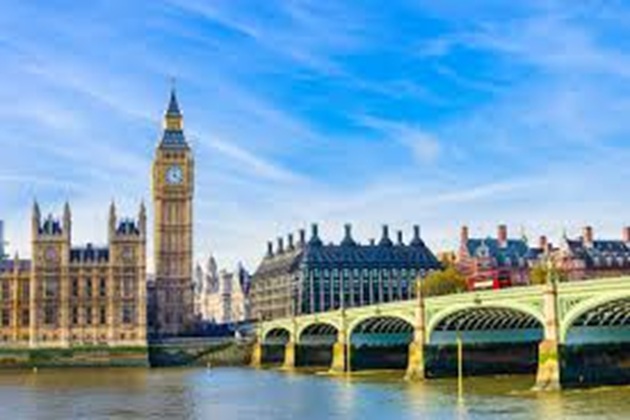
What about English? It is de facto official, that is, the norm is not fixed in the law. The reason is simple: the majority of the country’s population is British, and English has also been spoken in the British colonies for a long time. Therefore, it never occurred to anyone that the official language might be some other language. And if there’s no need, why complicate things? Although other languages are actively used in the UK. For example, Swedish, Welsh, and Gaelic are common. Thus, according to the legislative act of 1967 in Wales, the Welsh language has the same rights as English.
2. Mexico
The country’s constitution does not proclaim an official language, but Spanish is considered to be the most widely spoken one. At the same time, according to the law, all the languages of the country’s indigenous peoples are on a par with Spanish. Representatives of ethnic minorities even have the right to address civil servants in their own dialect. However, a civil servant may not answer: there are about 60 dialects in this country.
The authorities are in no hurry to prioritize Spanish at the legislative level, as this may reduce the number of speakers of indigenous dialects. And according to the constitution, Mexico defines itself as a multicultural state. Visit. A F R I N I K . C O M . For the full article. In some schools, Spanish is even taught as a second language, with the dialect being the first.
3. Eritrea
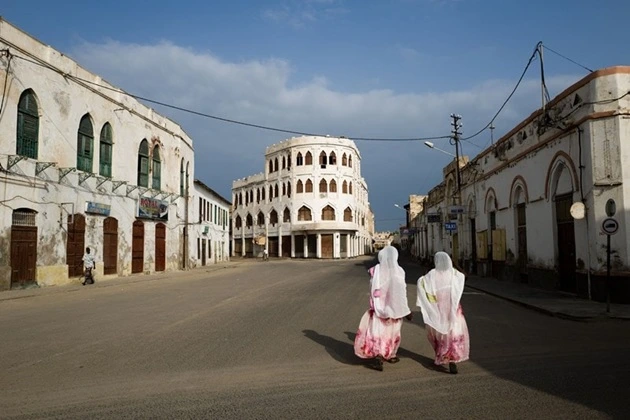
The 1997 Constitution recognizes the equality of all languages and does not define an official language. Although Tigrinya, Arabic, and English can be considered national languages, they are used most often, including in government institutions. In different parts of Eritrea, you can find signs and signage in different languages using a variety of scripts. For example, you can see the Latin alphabet, the Ethiopian script, and the Arabic script side by side.
In elementary grades, schools learn the language of their territory and ethnicity, and only then, English. However, since the majority of the population are residents of Tigrinya, the largest city located in a mountainous area, the Tigrinya language is becoming increasingly popular.
4. Argentina

The majority of the country’s population speaks Spanish. But its legislative status is not fixed. Therefore, there is no official language in Argentina. Spanish is used in business and colloquial speech, rather than according to tradition. Although Argentina’s population is multiethnic, more than half of it is descendants of the Spanish colonialists. And the colonization of the territory began in the 16th century. Official documents, negotiations, legislative acts, and resolutions are executed in Spanish. So, in fact, with the recognition of this language as an official language, it is unlikely that anything will change.
5. Australia
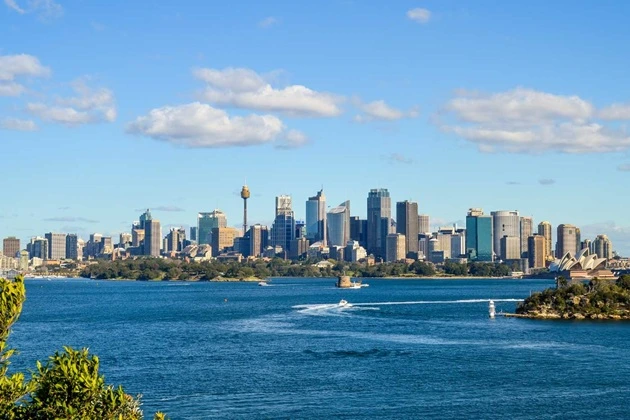
English is considered the national and most widely spoken language, or rather, its dialect. But there is no official one. Before European colonization began, there were about 250 indigenous languages in Australia, most of which were most likely dialects. About 20 dialects are still spoken.
There are also about 12 languages spoken in the country, which have long been spoken by migrants who arrived on the mainland. The largest group consists of Arabic, Vietnamese, Spanish, and Hindi. However, official documents, laws, and legislative acts are published in English.