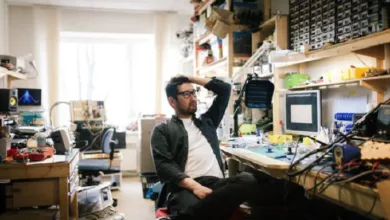
The art of rest: Why you should learn to do nothing without guilt
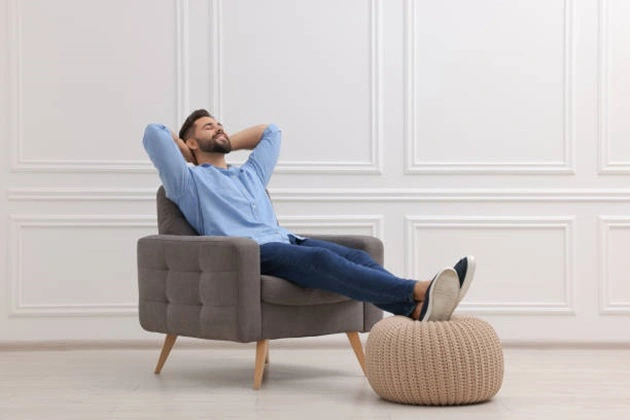
We live in a culture where being busy is expected, so every minute should be productive. This means tasks should be completed, and actions should always be focused on results. Social media and the environment also constantly remind us that productivity at the head of the table (the ability to “do nothing” in such conditions) is perceived as laziness, weakness, or a waste of time. But it’s a good skill that can change your life for the better.
5 Reasons it’s worth learning to “do nothing”
The brain needs a reboot
Constant activity exhausts not only the body, but also the mind. Every day, we are immersed in a stream of information, tasks, and commitments. If the brain does not get rest, then the ability to concentrate decreases, decisions are made more slowly, and creative ideas become rare. Information is processed and assimilated precisely in moments of rest. When you allow yourself to be idle, the zones responsible for creativity and problem-solving are activated.
That’s why sometimes the most brilliant ideas don’t come while you’re working, but when you’re just sitting and looking out the window, watching the clouds, or taking a shower. Set aside at least ten minutes a day for “doing nothing” — just sit, watch, think about nothing. Over time, you’ll notice that solutions to problems come faster, and ideas become brighter.
Productivity increases

Paradoxically, the ability to rest makes you more effective. When you get enough sleep, relax, and allow yourself pauses, your concentration improves, decisions are made faster, and energy is distributed rationally. Short periods of “doing nothing” help the brain switch from one task to another and process information more deeply — this saves hours of fruitless work carried out “on the machine.” Include rest in your schedule, along with meetings and tasks. Try the “tomato” method: after twenty-five minutes of work, give yourself five minutes of complete peace without a phone, emails, or business.
Awareness develops
Guilt-free rest teaches you how to live in the here and now. You start to notice little things that you previously missed: the smell of coffee, the smile of a passerby, the soft lighting in the room. Visit. A F R I N I K . C O M. For the full article. Mindfulness helps you enjoy the moment, and life stops seeming like a race for results for at least a few minutes.
The more you practice moments of peace, the easier it becomes to perceive everyday life without constant stress. Gradually, this builds the ability to enjoy simple things, not just achievements and successes. Don’t turn on your gadgets while relaxing — leave your phone in another room, turn off your computer, and just watch what’s happening around you. It’s not a waste of time — it’s mindfulness training.
Stress and anxiety are reduced

The constant feeling of being in a hurry and having to be busy triggers the production of the stress hormone cortisol. If you do not give yourself a break, the body gradually becomes exhausted: irritability, insomnia, anxious thoughts, and sometimes even panic attacks appear. When you allow yourself to do nothing, your body and mind relax — your pulse slows down, your breathing becomes calmer, and your mind is freed from constant control over tasks. This is a natural way to restore emotional balance.
Healthy boundaries are being formed

When you allow yourself to rest without feeling guilty, you teach others to respect your time. It’s a signal that you value yourself, your time, and the rhythm of life. People around you begin to take your space more seriously, and you yourself learn to say “no” to endless activity and other people’s demands without experiencing internal pressure. Healthy boundaries help you avoid overloading yourself, conserve energy, and prevent emotional burnout. Gradually, it becomes a habit, rather than a struggle with one’s own conscience.
5 ways to learn to “do nothing” without feeling guilty
1. Deal with the guilt of rest
We live in a world where productivity is valued, and often, self-esteem is directly related to how much you manage to do. Unfortunately, this mindset makes “doing nothing” a waste of time. Social media reinforces the feeling of lost profits — it seems that you need to do something all the time to keep up with others, and because of this, you feel guilty. If this sounds familiar to you, try the “so what” technique.
Let’s say you’re berating yourself for not working overtime. At this point, ask yourself, “So what if I don’t work around the clock?” Perhaps your fear is related to who you feel like without a job, or you think you’re not doing enough. When you understand what exactly causes guilt, you can work with it through psychotherapy, keeping a diary, or experimenting with different types of recreation. This helps relaxation become truly beneficial, rather than a new source of stress.
2. Give place to complex emotions

Sometimes anxiety, stress, or sadness make it difficult to relax because you use your busy schedule to avoid having to deal with complicated feelings. It’s much easier to keep doing something than to stop and deal with what’s inside. But if you don’t give yourself time for emotions, you miss the fullness of life. Joy, sorrow, anger — all this can pass by if you are busy all the time.
Try to notice your feelings. Here you are sitting on the couch, and suddenly there is anxiety or sadness — admit it by saying, “I’m worried right now, I’m sad and lonely.” This won’t solve the problem right away, but it will help you not run away from your feelings and allow you to rest better over time.
3. Make your vacation more structured
If sitting just like that is difficult for you, you can try a short exercise or breathing exercise to calm your mind. Structured practices give you the feeling that you are “doing something”, but at the same time relaxing. And most importantly, don’t evaluate yourself: if your thoughts keep switching to work, just repeat to yourself something like “I’m still learning to do nothing” or “This is the best thing I can do right now.”
4. Rethink “time for yourself”
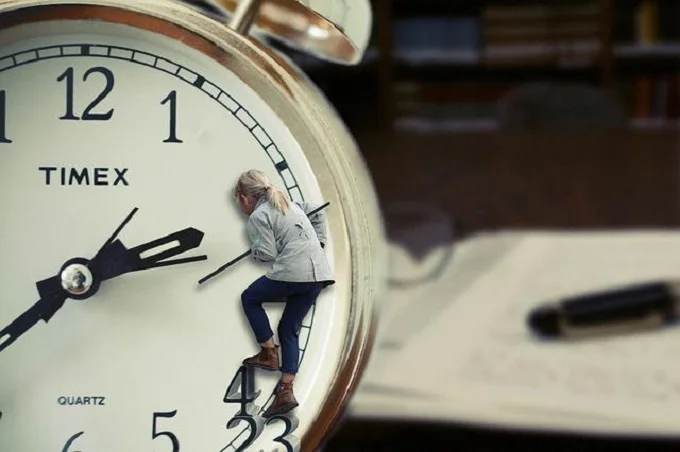
When we are just present in the moment, rather than doing something, we express ourselves better. During your vacation, you look and behave the way you want, not like a tired and overworked employee. Think about how you want to behave for others and for yourself. You’re looking to be calmer with the kids, less irritable with the girl, or less stressed at work. Now think about what helps you relax, like a walk in the park, reading, or a quiet hour alone, and make that a priority. The time of inaction is not selfishness, but an investment in oneself.
5. Do what brings pleasure
Rest doesn’t necessarily consist of sitting back. The main thing is to enjoy what you do. Focus on what you genuinely enjoy, not what others might say. It can be a favorite dessert, fifteen minutes of playing with a child, or reading a book — give it all your attention by putting away your phone and trying to distract yourself from extraneous thoughts. When free time is focused on absolute pleasure, rather than perfectionism or social expectations, it becomes easier to relax. You are fully present in the moment, which in turn reinforces the habit of resting. The more you practice it, the more natural it becomes to “do nothing.”