The shaved women of France: A dark chapter after liberation
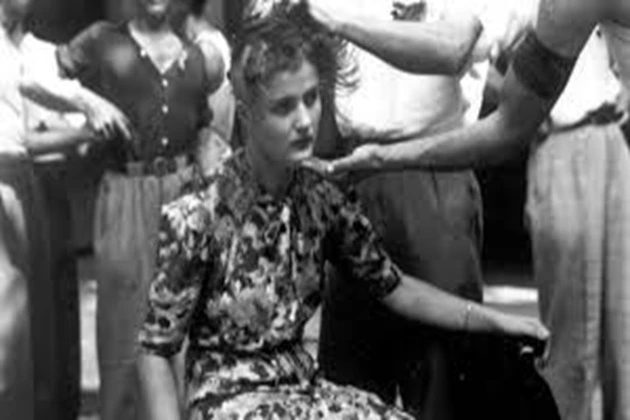
Historians estimate that after the end of World War II and the liberation of France from German occupation, about twenty thousand women in the country were publicly punished. They were detained in their homes and on the streets, and shaved their heads. At the time, few French people condemned these actions, and few of the women who were subjected to this humiliation agreed to testify even after many years.
The Long Night of the Nazi Occupation
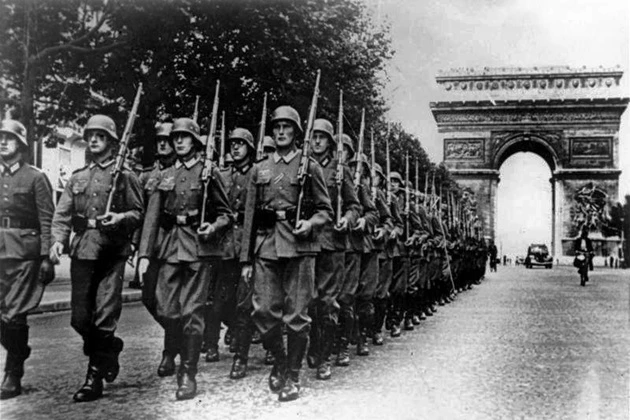
The war began in the spring of 1940, and in June, most of the country, including Paris, was occupied by German troops. The stakes were too high for Hitler. France was his largest and richest conquest, and he needed its agricultural and industrial resources to continue the war against Britain and later against the Soviet Union.
Instead of continuing the struggle, Marshal Petain signed an armistice, which marked the beginning of France’s cooperation with Nazi Germany. Petain hoped to secure France a privileged position in the new Europe. France was divided into several zones: the north, west, and center were occupied by the Germans and controlled by the German military administration; the south was separated from the occupied zone by a carefully guarded border and declared a “free zone”, where the Vichy government was established, whose policy was nationalistic and conservative. Jews, Communists, foreigners, Freemasons, and Gypsies were persecuted and often handed over to the German occupiers.
Most of the French population had to accept the establishment of the new regime, passively accepting the signed truce, although a small number of French refused to surrender and formed the French Resistance movement. Any form of protest among the French population was brutally suppressed with the support of the French police. The Nazis forcibly recruited young French workers for the needs of the German war economy, and many were forcibly sent to Germany. Those who resisted were imprisoned in concentration camps or killed.
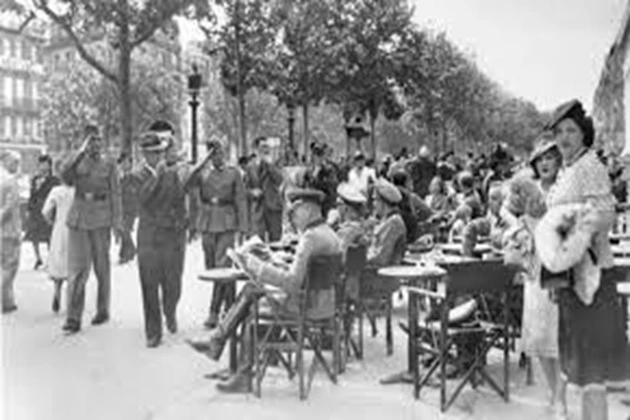
The women also had little choice between actively cooperating with the Nazis or putting themselves in constant danger. Many of them entered into relationships with German soldiers and officers for the sake of survival. The long “night” of the Nazi occupation lasted more than four years.
The liberation of France and the joy of freedom
The Allied Normandy landings in 1944 marked a turning point in World War II, as the Allies gained a foothold on the continent and began pushing back German forces. As they advanced, the liberation of Paris became a very real and long-awaited event for the French. However, the supreme commander of the Allied forces, General Dwight D. Eisenhower, doubted whether it was worth liberating Paris by military invasion or bypassing it, avoiding street fighting and leaving German soldiers isolated in the city. Protracted urban battles in Paris threatened to destroy key historical and cultural sites, slow down the advance towards Germany, and require significant resources to ensure the safety and upkeep of the civilian population.
But the French people longed for the liberation of Paris. Despite the inevitable defeat of the Wehrmacht in France, people could not experience the joy of victory until Paris was liberated and the Vichy government was overthrown. Visit. A F R I N I K . C O M . For the full article. The thirst for an early victory led to strikes by workers, attacks on Wehrmacht patrols, and an uprising led by the French Resistance. The Paris police joined the rebels. Eisenhower decided to liberate the city.
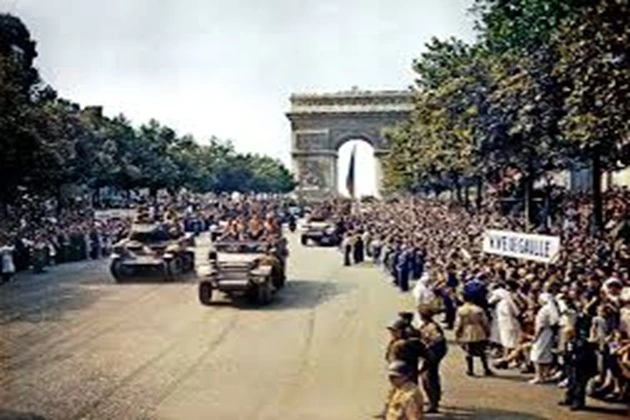
On the morning of August 25, the liberation gained momentum. Allied troops entered the city, capturing strongholds and capturing German soldiers. In the afternoon, the storming of the German headquarters ended, the commander of the garrison of the Nazi occupiers was captured, and an official document of surrender was signed. Paris was finally liberated after four long years of German occupation.
Wild “cleansing” on the streets of French cities
As the news of Germany’s surrender spread through the city, crowds of jubilant Frenchmen took to the streets, lined the roads, cheered, and celebrated their liberation. And while the military operation was coming to an end, the process of retaliation began in the city. Without waiting for legal proceedings, the French sought to achieve justice for the collaborators by carrying out hundreds of extrajudicial executions.
This process was soon stopped, but the “purge” among the population, directed against those who were accused of collaborating with the Nazis, continued for several years at the official level. As de Gaulle consolidated his political power in France, American soldiers, French troops, and resistance fighters hunted down the remaining German occupiers and their collaborators throughout the city. All those suspected of collaboration and Nazi sympathies were detained.
Many people did not leave their apartments, waiting every minute for the ominous knock – similar to the tactics of the Gestapo and the French police during the occupation. After his arrest, punishments included beatings, interrogations with torture, and, in some cases, extrajudicial executions. This period of time was, in fact, a period of lawlessness and mob rule.
Women suspected of having affairs with the German occupiers were subjected to a special punishment – public shaving of the head. In addition, women were sometimes humiliated by being led naked around the city or branded with swastikas. At that time, few French people condemned these actions, and some newspapers even wrote exculpatory articles, calling such procedures “frivolous entertainment.”
How the events of 1944 affected the post-war life of the French
A few months later, Charles de Gaulle began to restore order, appointing those responsible for overseeing detention centers, internment camps, and prisons where suspected collaborators were held. He also established judicial tribunals to bring collaborators and officials of the Vichy Government to justice.
The period of the “legal purge” became more loyal, and France had to face the problem of defining collaboration. What is collaboration? What actions should be considered collaborationist, and who are collaborators? How legitimate are the measures applied to them if the Franco-German armistice was signed by the state in June 1940, stating that all French authorities, services, and citizens in the occupied territory must “comply with the rules of the German military authorities and cooperate appropriately with them”
Many of the women who were publicly humiliated were forced to do so because of extreme hunger, fear, and the desire for their children’s survival. Many have never even had a relationship with German soldiers. Some were victims of rumors, jealousy, old personal grudges, or just plain misfortune. Others were punished for working in German-controlled institutions. Some even helped the Resistance, but were caught up in the chaos of liberation. The release provided an opportunity to settle scores under the guise of patriotic fervor, and the charges often required no evidence.
The spontaneous and brutal “purges” that took place in the spring of 1944 on the streets of French cities left deep scars in the hearts of many people. It became a tragedy for the country. It was only decades later that this topic became hotly debated in France, and some human rights activists took an active position against women who had been publicly humiliated, arguing that they were not always clear symbols of betrayal.