When comfort turns complicated

Each of us wants to live life to the fullest, so that there is more pleasure, freedom, and time for ourselves, and not just endless to-do lists, work, cleaning, and cooking. Fortunately, the world now offers us a lot of amenities: technology does half of our tasks for us, the Internet provides any knowledge, and shipping saves hours.
Everything seems to be supposed to be simpler, but the question is: is it so? It seems that technologies and services should make life easier, but why then do many of us feel that time has become less and our heads are constantly overloaded? Because, along with the comforts, we often let the superfluous into our lives. At first, it may seem like these are small things, but believe me, they are the ones that cause chronic fatigue, irritation, and the feeling that you don’t belong to yourself. Here are five things you should reconsider if you want less fuss and more order.
5 familiar things that make your life more difficult
1. Your phone
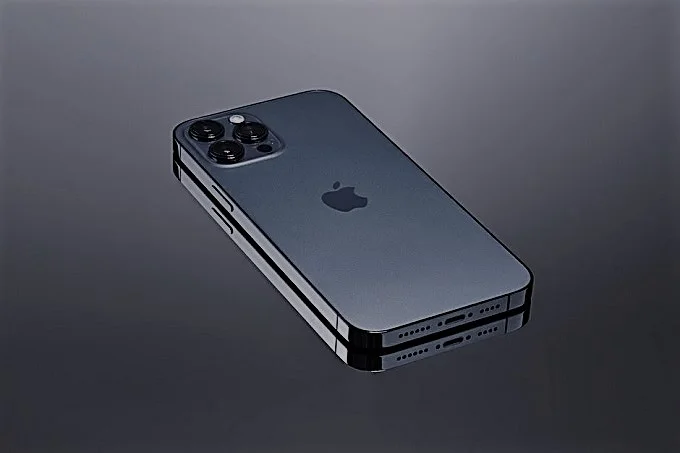
A smartphone is a thing you probably can’t even imagine life without. It can be useful: you have work chats, music, and other entertainment at your fingertips. It seems that he should help, save time, simplify life, but here’s the paradox: more often, he does the opposite. How many times have you just wanted to check the time, but you’ve been on social media for an hour? And how many times did you go to the website to buy one thing, and come out with five, because there was a “discount”, “special offer”, “limited offer”? The phone creates the illusion of employment: It’s like you’re always busy, always in touch, but in reality, the day goes nowhere.
He takes away attention from what is important: communication with loved ones, rest, sleep, and daily tasks. If you want to simplify your life, start with the most obvious thing: reduce the time you spend on your phone. Turn off notifications from applications except the most necessary ones, delete all unnecessary ones, set a timer for using social networks, and just try to be quiet. At first, it will be unusual, but then there will be a feeling of freedom.
You don’t have to be in touch every minute; the world won’t collapse if you don’t answer in three seconds. By freeing your head from constant stimuli, you begin to notice simple things again: conversation, food, nature, and your thoughts. Visit. A F R I N I K . C O M .For the full article. The phone is a tool, so let it work for you, not control you.
2. The pursuit of fashion

Fashion is not only about clothes, but also about everything that changes too quickly: technology, training, nutrition, hobbies, and lifestyle. Today you “need” to drink matcha, take cold baths tomorrow, and a week later sit in an infrared sauna and meditate until you lose your pulse. And all this with the sauce of “be on trend”, “work on yourself”, “improve your life”. The problem is that fashion is impossible to keep up with.
As soon as you buy something new, something even newer appears; as soon as you have mastered one system, the next one comes. This endless pursuit creates an inner fuss: you don’t have time to stop and figure out what you want, so it feels like you’re constantly falling short of the ideal. And what is the result? You spend money, fill your apartment with unnecessary things, overload yourself with unnecessary tasks, but still don’t feel “on the level.”
If you want to simplify your life, stop and ask yourself: Do I need this? Start choosing consciously. Clothes can be basic and high-quality, lasting for many years. The phone doesn’t have to be the latest model to make calls and browse social media. The food should suit you and your goals, and not correspond to another fashionable scheme. Stability and simplicity are not dull, but reliable. When you stop chasing after the outside, you have space for the present.
3. Useless devices
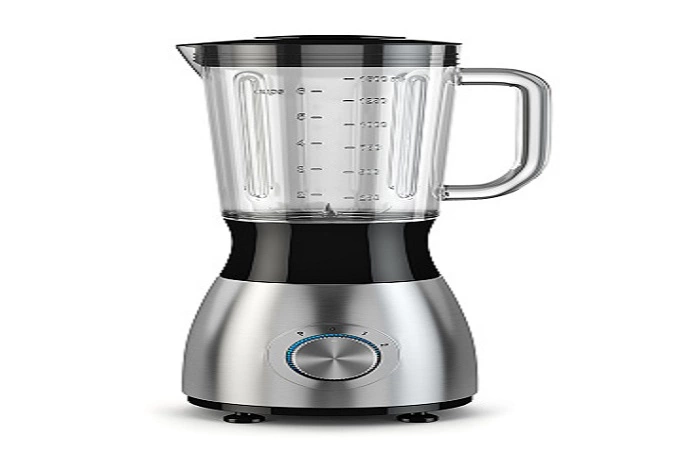
You know these things for sure: devices that supposedly “make life easier.” From garlic choppers to mini blenders, manual steamers and automatic shower scrapers, advertisements shout that they will save you time, effort, and generally change your life. They take up space in the closet and gather dust.
Maybe you bought something, used it once, realized that washing it took longer than doing everything the old-fashioned way, and put it back. So you get a whole museum of unused devices: It’s a pity to throw them away, but there’s zero benefit either. If the task is essential, you can handle it without special devices.
A knife, a rag, a broom, a screwdriver — all this works just as well, because the main thing is skill, not a device. Conversely, one good universal tool is better than ten useless ones. A high—quality frying pan, a powerful vacuum cleaner, a standard screwdriver with attachments – and that’s it, you don’t need to buy dozens of “magic” devices.
4. Disposable items

It would seem that it could be simpler: I took a disposable plate, ate, threw it away — quickly, conveniently, no worries. But if you dig deeper, such things don’t make your life easier; they make it more meaningless. When everything becomes disposable, it loses its value, and you lose the habit of caring, cherishing, and choosing. This applies to everything: dishes, bottles, clothes, and packaging.
Instead of doing something once and for a long time, you repeat the same thing every time. Yes, at some points, disposables are convenient: at a picnic, a party, or when moving. But if you have stacks of plastic cups and paper plates at home all the time, then this is not about convenience, but about laziness and chaos.
Switch to reusable. It’s not difficult: the plates can be washed, especially if you have a dishwasher, water bottles with a filter are more environmentally friendly, and the shopper’s bag is strong enough not to break at the most inopportune moment. When you use less, but better, there is more order in life, and at the same time, less garbage and more respect for what you have.
5. Luxury under the guise of convenience
This is a trap that many people fall into: We are taught that if you don’t have time, buy solutions. If you’re tired, order delivery; if you don’t want to clean up, hire a service; and if you don’t want to think about it, then look for ready—made answers on the Internet. It seems convenient, but most of the time you pay for laziness and get not a solution, but another wrapper around the problem.
For example, food delivery is fast, but it costs twice as much, and you don’t always know how high—quality and fresh the food is. Many services eat up your money, while you become less free, but more dependent on the service. The real simplification of life is not “everything for you”, but when you decide for yourself what is needed and what is superfluous, and you can manage what you have. Yes, sometimes it’s easier to spend ten minutes on your own than to pay someone and then wait, check, redo.
If you want to simplify your life, don’t buy a solution, but figure out the essence of the problem.
It could be easier to learn how to cook a quick meal than to order food every night. Or is it better to organize cleaning once a week than to spend money on one-time visits by cleaning staff? Simplification doesn’t start with a purchase, but with understanding what you need.