Nature in slow motion: Top 7 slowest creatures
How a seahorse moves, how long a sloth sleeps, and how giant turtles manage to survive in conditions where resources are limited. There is a special group of animals in the natural world for whom slowness is the key to survival and prosperity. Their speeds vary from the sea anemone’s extremely slow crawl of about 1 cm per hour to the slow loris’s top speed of about 1.18 miles per hour. The article describes the most leisurely creatures on the planet, whose lives flow in a special, relaxed rhythm.
7 Slowest animals in the world
1. The Seahorse
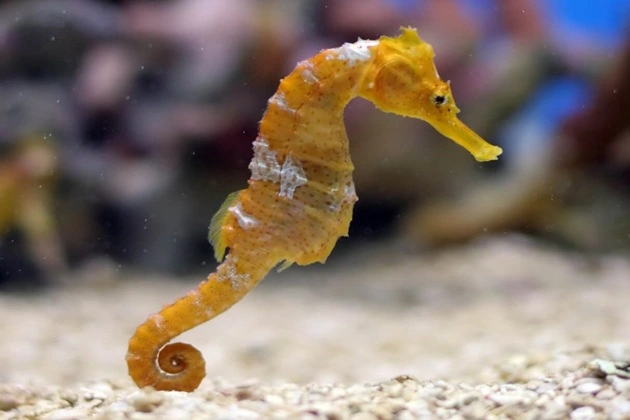
The seahorse is a unique fish that swims vertically. This in itself makes it different from other inhabitants of the sea and significantly limits its speed. The skate moves with the help of a tiny dorsal fin, which oscillates with great frequency, but due to its size, it cannot provide fast movement.
These amazing creatures lead a sedentary lifestyle. They prefer to “hang” in the water column, clinging to the stems of seagrass or coral with their tail, and motionlessly wait for their prey — small crustaceans. Their camouflage coloration makes them virtually invisible in the undergrowth.
Another unusual fact about seahorses is their reproductive behavior. Males are responsible for their offspring. The female lays eggs in a special pouch on the male’s stomach, where they are fertilized and developed. After the “pregnancy”, the male gives birth to dozens or even hundreds of fully formed fry. This unique feature frees the female from carrying offspring and allows her to proceed faster to the next breeding cycle.
2. The slug

Slug is an extremely slow—moving gastropod mollusk. It moves due to the undulating contractions of the muscular sole, abundantly lubricating its path with mucus. This mucus not only facilitates movement, but also protects the body from drying out and damage. Slugs are mostly nocturnal, and during the day, they hide under rocks, leaves, and other wet shelters.
They are omnivorous and can feed on mushrooms, fallen leaves, fruits, and even carrion, playing the role of sanitation workers in the ecosystem. In wet weather, they can be found during the day, leisurely traveling in search of food. The banana slug, native to North America, is one of the most famous representatives of these mollusks. It is so slow that it is able to live underground for several years, waiting for favorable humid conditions.
3. The starfish
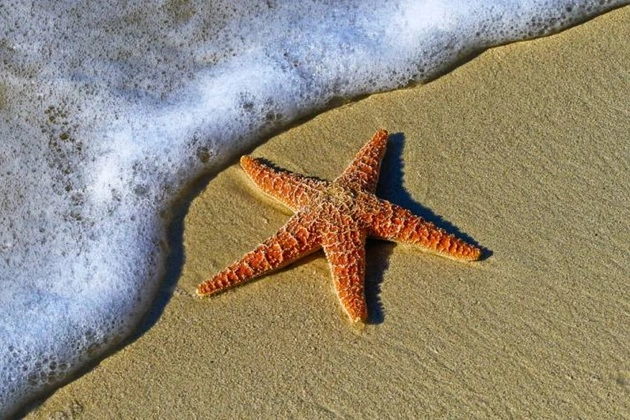
The starfish is an amazing invertebrate animal that is one of the leaders in slowness. Since it has no legs, it moves in a completely different way — with the help of hundreds of tiny tubular legs located on the underside of the beams. These legs work as a coordinated living system, allowing the star to crawl very slowly along the bottom. The speed of the starfish is so low that it is almost impossible to notice it with the naked eye. Sometimes a starfish completely trusts the currents that carry it to new places.
These animals are predators that feed mainly on shellfish. Their way of hunting is unique: after catching prey, the starfish wraps its body around it, turns the stomach out, and launches it into the shell of the victim, digesting food right there. This process, like everything else in the life of a star, does not tolerate haste and can take many hours.
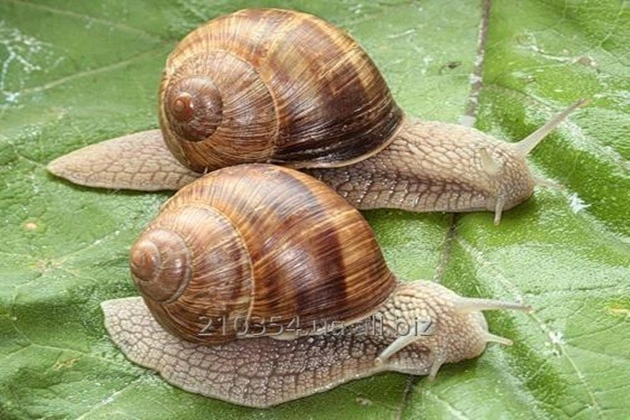
4. The Grape snail
The grape snail is one of the most leisurely inhabitants of our gardens and forests. Her method of movement is a slow glide on a muscular, sole leg, while she leaves behind a characteristic, shiny, slimy trail. This mucus not only softens friction but also protects the snail’s delicate body from damage, making it easier to glide over a wide variety of surfaces.
These shellfish are real gourmets; they feed mainly on plant foods, including grape leaves, which gave them their name. They are active mainly in wet weather, and on hot, sunny days, they prefer to hide in the shade or bury themselves in cool ground. Snails carry a whole house, a spiral shell, into which they can hide in case of danger or for prolonged hibernation.
5. The three-toed Sloth
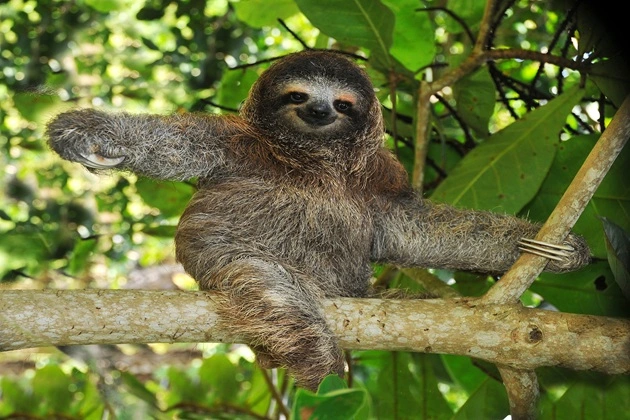
The sloth is the champion of slowness among mammals. His name has become a household name for laziness and slowness. These amazing animals spend most of their lives hanging upside down from tree branches. In this position, they sleep, eat, mate, and even give birth. The reason for this phenomenal slowness is a low—calorie diet consisting of leaves. To save energy, the metabolism is slowed down. Sloths sleep for 15-18 hours a day, and when they are awake, they prefer to remain at rest.
Sloths rarely descend to earth, and it is there that they are most vulnerable. Visit. A F R I N I K . C O M . For the full article Interestingly, the physiological need forces them to take this dangerous path for defecation, but this happens no more than once every few days.
6. Arizona Gila monster

The Arizona Gila monster is one of the most venomous lizards in the world, but it is also one of the slowest. His leisurely pace of life is explained by the fact that he eats no more than ten meals a year. In one meal, the venomous tooth can eat up to 35% of its own body weight, and the accumulated fat is deposited in its tail, which serves as an energy storage. Thanks to such plentiful meals, the poisonous tooth simply does not need to hunt often and actively move.
He spends most of his time in shelters, hiding from the scorching desert sun. The venom of the venom tooth, although powerful, is mainly used for protection. When hunting, the lizard relies on its powerful jaws. After biting the victim, the venomous tooth can hold it for a long time so that the poison takes effect. Its bright, contrasting coloration warns potential predators of danger, allowing it not to hide and move with its inherent slowness. And the slowness of the Arizona venomous tooth means that it is practically not dangerous to humans. After all, it is easy to notice and avoid meeting.
7. The Giant Turtle
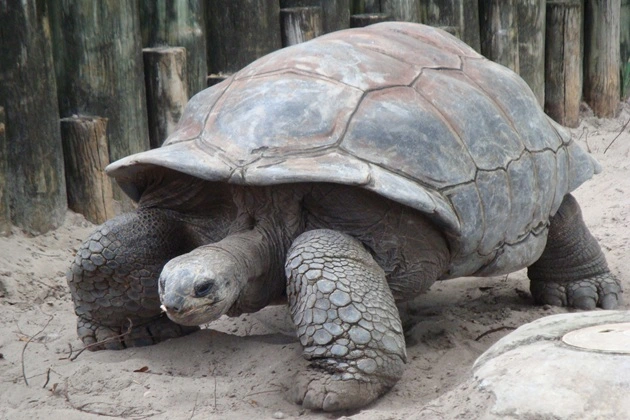
The giant turtle is the epitome of slowness and wisdom in the animal kingdom. These giants, whose weight can reach 400 kg, slowly rearrange their legs, carrying a heavy bone shell. Their slowness is directly related to the huge size and structure of the body, which is not adapted for fast movements.
These animals are also long—lived, with an average life expectancy of about a hundred years. They really have nowhere to hurry. They spend their days leisurely searching for plant food, resting in the shade, and long periods.
The ability to go without food and water for long periods helps them survive in conditions where resources may be limited. Giant turtles are a prime example of the fact that speed is not always important in an evolutionary race. Their species has existed for millions of years, having survived many cataclysms. The size and durable shell make giant turtles virtually invulnerable to most predators, especially in adulthood, which allows them to lead a leisurely lifestyle.