Oarfish: The mysterious sea creature linked to natural disasters
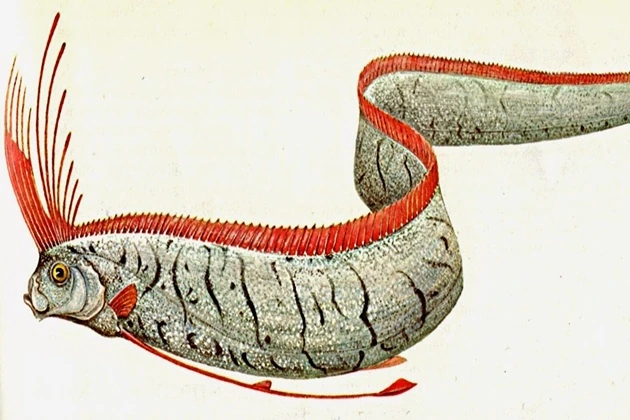
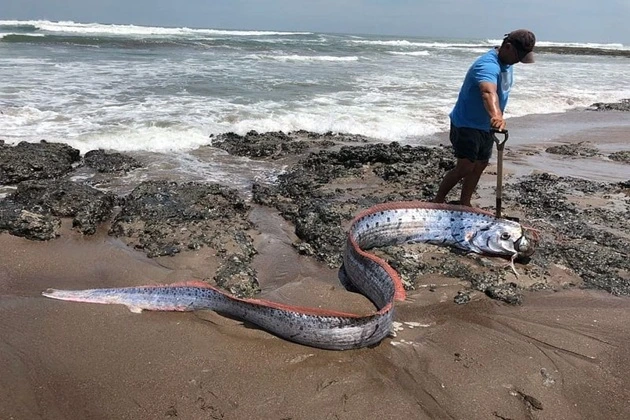
Several marine species in our ocean look so massive or unique that they can explain the ancient legends about sea monsters. The giant paddlefish (Regalecus glesne) is a typical example of just this. This huge fish of unusual appearance is known for its elongated ribbon-shaped body, which allows it to swim unnoticed in the water column. The paddlefish can grow more than 30 feet tall, making it an interesting sight.
However, these animals are unique not only because of their size. Paddlefish filter feed mainly on krill, plankton, and other small crustaceans. Visit. A F R I N I K. C O M . For the full article. In addition to its long, ribbon-like appearance, this species also boasts large eyes and sinister red spines that stick out to form a cluster resembling a crown.
These are deep-sea creatures that most often live in the area least studied by scientists today: the mesopelagic zone (water depth reaches 1000 meters). Floating vertically in these dark waters, silvery, light-reflecting bodies help paddlefish blend in with their surroundings if they accidentally bump into spots of light. This kind of camouflage may be simple, but it is certainly effective.
There are several theories about the origin of the name of the paddlefish. According to one version, their long, flat bodies simply resemble oars; according to another, the name could come from the “rowing” movements they make when they swim through the water in such an unusual way. However, paddlefish have another, much more disturbing nickname: doomsday fish.
In some regions of the world, these creatures are considered harbingers of bad news, particularly natural disasters or destruction. Legend has it that if you see a paddlefish, it is a warning sign of higher powers that disasters such as earthquakes are about to occur. According to numerous news reports, a total of 20 paddlefish washed ashore before the earthquake in Japan in 2011 (one of the most catastrophic in history).
Although there are many legends associated with these creatures, people rarely encounter paddlefish. They mostly live in the depths of the sea, so if one of them is spotted close to the surface, it usually indicates that the creature is sick, dying, or at least disoriented.
Leaving aside what we currently know about oarfish and the traditions associated with this species, it is important to remember that current knowledge about the behavior of oarfish and their conservation status is limited. While this is not surprising, given that they thrive in one of the most unexplored areas of our oceans, it does not mean that we cannot continue to work to protect them.
Every day, scientists are learning more about the ever-growing crisis of plastic pollution and its detrimental effects on all marine ecosystems, including deep-sea areas. We may not fully understand the full implications of this crisis yet, but what has never been clearer is that we must act.
Fortunately, we know where to start when it comes to solving this problem: we need to produce less plastic. Based on data collected over almost four decades by our international Coastal Cleanup organization, Ocean Conservancy has charted a course to rid beaches of plastic, calling for policies to reduce the sources of the most common pollution of our coastlines and waterways around the world.