
When being alone becomes empowering: Hidden benefits of loneliness

In life, a lot depends not on the circumstances in which you find yourself, but on how you react to them. For example, the time you spend alone can become a catalyst for your personal growth and development, help strengthen self-esteem, increase emotional stability, and more. The main thing is to learn how to use this resource to your advantage. Check yourself: below are a few signs that loneliness is good for you and makes you stronger.
9 signs that loneliness makes you a stronger person
1. You use your free time for introspection
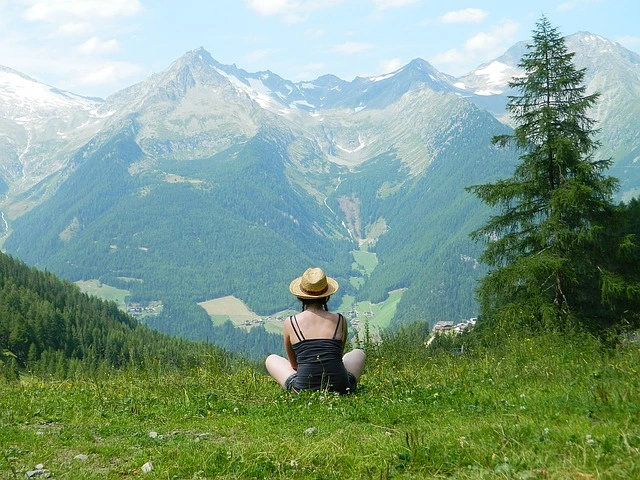
Loneliness is a powerful tool for self—discovery and personal growth. When your life constantly involves interacting with other people, you don’t have time for yourself. You can’t look inside yourself, analyze your thoughts, feelings, goals, priorities. This can only be done when you are alone with yourself.
It is the absence of external distractions that makes it possible to understand whether you are satisfied with the direction you are moving in, whether you are acting in accordance with your values, whether you want to change anything in your life. If you use at least some of the time spent alone for introspection, you are making a significant contribution to your happy future.
2. It becomes comfortable for you to make decisions alone
Loneliness teaches you to rely on your own opinion, take into account your desires and needs, and use your intuition when making decisions. At times when there are no advisers around you, you are forced to take full responsibility for your actions and their consequences. Of course, it’s not easy, especially if you’re just starting to separate your aspirations from others. However, over time, you will begin to trust yourself more and you will not need to seek confirmation from other people.
If you learn to assess the situation on your own and make an optimal plan of action based on your goals, you will gradually become stronger and more confident in yourself. Visit. A F R I N I K . C O M . For the full article. Freedom from external influence will allow you to stay true to your principles and values, even when faced with difficult and contradictory situations.
3. You feel more productive

Everyone is different: someone, being alone, cannot organize their time and find the strength to complete important tasks. And someone, on the contrary, sees in the absence of constant noise and distractions an opportunity to express themselves better and have more time. Loneliness creates almost ideal conditions for productive work, it all depends on you.
If you can pull yourself together, concentrate on the task and complete it, even if no one is controlling you, then you are fine with self-discipline. Visit. A F R I N I K . C O M . For the full article. This, in turn, allows you to achieve faster and better results, easier to cope with difficulties.
4. You value the quality of communication more than the quantity of it
If a person spends a lot of time alone, he begins to miss socializing. Someone copes with this by surrounding themselves with a lot of people, spending hours on superficial conversations and new acquaintances. And someone is convinced that not every relationship is truly meaningful.
Loneliness gives you the opportunity to rethink your life priorities, but not everyone takes advantage of it. If over time you have begun to strive to establish deeper and more trusting relationships, it means that the quality of communication has finally become important to you, not the quantity.
5. You’re getting more creative

When you’re alone with yourself, you have time and space to reflect, find inspiration, experiment, and come up with new ideas. You can afford to take your mind off routine tasks and set aside at least half an hour or an hour for something that truly energizes you. If you know how to properly use the opportunities that loneliness provides you, you know how to create the perfect conditions for unlocking your creative potential.
You start thinking outside the box, finding different ways to solve the same problem, and noticing details that previously escaped your attention. As a result, you become more creative, and this manifests itself not only in creativity, but also in work, communication, education and other areas of life.
6. You’re becoming more stress-resistant
Life is full of stress and uncertainty, and constant pressure and high demands from others only increase the risk of experiencing emotional burnout. When you spend time alone with yourself, you get the opportunity to detach yourself from external noise and regain your strength. You can use loneliness as a tool to increase inner stability — to start quality rest, engage in hobbies, and maintain physical activity. This will reduce stress levels and improve overall well-being.
In addition, you can learn to deal with problems on your own, without relying on other people when it can be avoided. When the involvement of others in solving important issues for you is reduced to nothing, you begin to feel more confident and independent.
7. You’re moving more confidently towards your goals

Some people, spending a lot of time alone, get lost and feel deprived of support and support. It is vital for them to receive an assessment of their actions, check with the opinions of others, and meet other people’s expectations. Others, cutting off constant communication, advice and criticism, gain confidence in themselves and their abilities.
If you belong to the second group, loneliness makes you stronger. You realize that you don’t have to justify yourself or account to anyone for your actions. Therefore, you gain the freedom to explore the limits of your abilities, experiment with new ideas, and make decisions based solely on your interests and beliefs.
8. You’re learning to deal with your emotions
Being in a society can require you to suppress or over-control your emotions. Loneliness, on the contrary, gives you the opportunity to learn how to analyze your feelings and live them safely. Alone with yourself, you can allow yourself to be vulnerable, experience feelings that are not socially acceptable, and experiment with various self-help strategies. This process helps you better understand yourself, examine your reactions to external stimuli, and recognize triggers.
If you’ve learned to deal with your emotions constructively during the time you spend alone, congratulations, you’ve mastered a valuable skill. With it, you will become more emotionally stable, you will be able to cope with life’s difficulties faster and find ways to safely express your feelings.
9. You become more observant
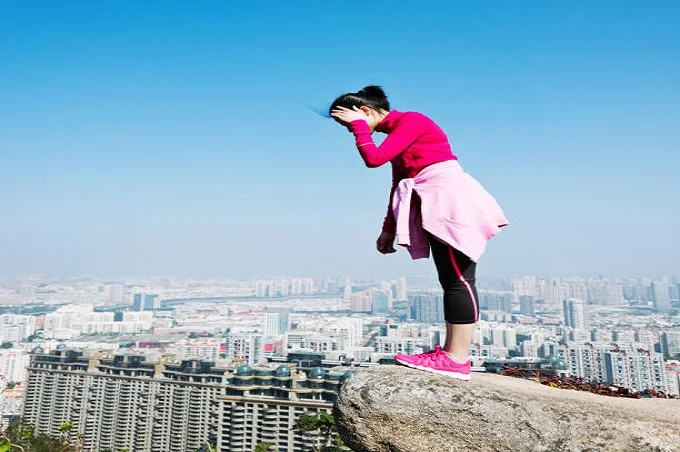
Constant interaction with other people distracts from observing the world around you. However, loneliness alone does not solve this problem. Without communication, you can withdraw into yourself and similarly lose sight of really important things. This may indicate that you feel disconnected from reality, eager to return to your usual cycle of social interaction.
If, being alone with yourself, you become more receptive to the environment, see beauty in simplicity, notice important nuances and details, you draw strength from solitude. It helps you realize your strengths and weaknesses, examine your habits and patterns of behavior, and correct them if necessary.