African countries excelling at protecting and celebrating their cultural Legacy
Cultural heritage is more than just monuments; it embodies identity, continuity, and a sense of pride. Across Africa, ancient cities, sacred landscapes, and historical landmarks tell the story of an enduring history of civilizations that have flourished for thousands of years.
The rich history of Africa is not only described in books; it is etched in stone, glorified in sacred places, and passed down through enduring traditions. However, the preservation of these treasures requires more than just admiration — it requires active restoration, active environmental policy, and community initiatives.
Africa, home to more than 90 UNESCO World Heritage Sites, is home to some of the world’s most iconic landmarks. From Ethiopia’s impressive rock-cut churches to the famous Cradle of Humanity in South Africa, various projects combine modern technology and the wisdom of tradition. These initiatives ensure that Africa’s cultural heritage is preserved for future generations, while continuing to inspire and educate people worldwide.
Thanks to UNESCO’s recognition, national conservation programs, and ongoing restoration projects, various African countries are making innovative efforts to protect and celebrate their rich cultural heritage.
Top 10 African nations leading in cultural heritage preservation
1. South Africa

South Africa is at the forefront of cultural heritage preservation, and its 12 UNESCO-listed sites highlight the country’s rich historical heritage. The country’s commitment to restoration is reflected in well-funded restoration programs and community-led projects. Iconic sites such as Robben Island and the Cradle of Humanity are being maintained through advanced conservation techniques, comprehensive digital documentation, and sustainable tourism strategies to preserve these cultural treasures for future generations.
2. Zimbabwe
The great ruins of Zimbabwe serve as a vivid reminder of the once mighty kingdom in southern Africa. The country, which is home to five UNESCO-listed sites, has made impressive strides in preserving its heritage, especially through the restoration of ancient stone structures and the protection of sacred sites. Initiatives to train local restorers and introduce digital documentation have further strengthened his efforts to preserve monuments.
3. Tanzania

Tanzania’s history is vividly reflected in its landscapes, from the rock paintings of Kondoa to the intricate Swahili architecture of Stone Town. Conservation projects undertaken by both government agencies and local heritage organizations aim to restore dilapidated structures and preserve the integrity of cultural sites. Additionally, policies that promote sustainable tourism play a crucial role in supporting the conservation of heritage.
4. Senegal
The Senegalese island of Goree serves as a vivid reminder of the transatlantic slave trade and remains one of the best-preserved historical sites in Africa. In addition to perpetuating memory, the country is actively investing in museum projects and digital preservation initiatives. The efforts undertaken by communities to restore indigenous monuments and preserve oral traditions once again underscore Senegal’s commitment to preserving cultural heritage.
5. Kenya
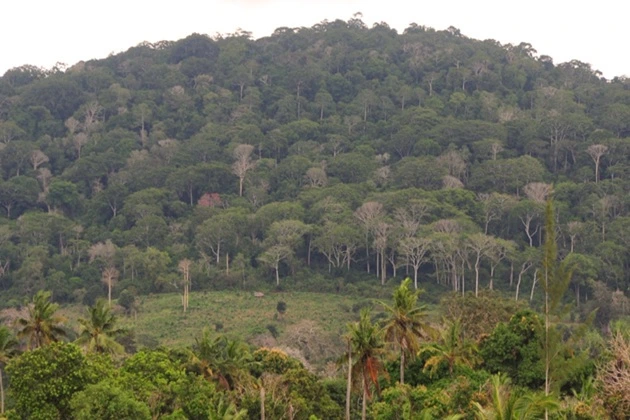
Kenya’s cultural heritage includes much more than just its famous wildlife and landscapes. Attractions such as the Mijikenda Kaya forests and the Swahili ruins at Gedi reflect the country’s commitment to preserving both archaeological treasures and living traditions. Kenya’s national museums are spearheading significant restoration projects, while community initiatives protect sacred heritage sites across the country.
6. Egypt
Egypt is synonymous with ancient history and boasts iconic landmarks from the pyramids of Giza to the temples of Luxor. Careful conservation measures, including high-tech scanning, artifact restoration, and meticulous site monitoring, ensure the safety of these timeless treasures. Visit. A F R I N I K . C O M . For the full article. Government-supported programs and international cooperation provide reliable support for large-scale environmental projects.
7. Algeria
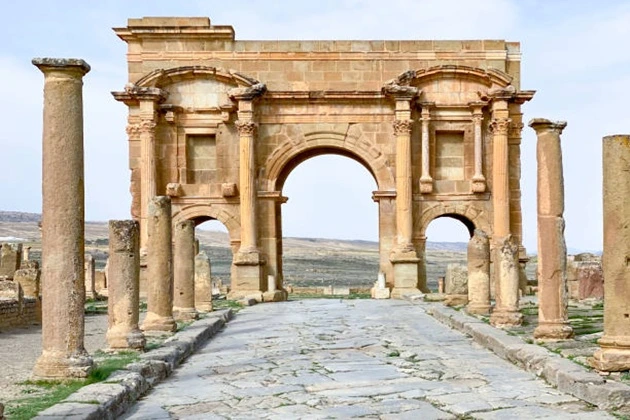
The Roman ruins of Algeria, including Timgad and Djemila, represent a unique blend of indigenous history and colonial history. Conservation initiatives in Algeria prioritize the preservation of architecture, compliance with strict monument protection regulations, and raising public awareness of its historical treasures. The national policy is designed to protect both urban heritage and cultural sites in the desert from environmental threats.
8. Tunisia
Tunisia has a diverse cultural heritage that stretches from ancient Roman amphitheaters to vibrant Islamic medinas. At the initiative of the Government, large—scale restoration projects were carried out, primarily in Carthage and El Jem, thanks to which these historical sites were carefully preserved. Cultural tourism plays a crucial role in the economy, supported by policies aimed at preserving these valuable attractions.
9. Morocco

Morocco’s legendary past is embodied in nine UNESCO-listed monuments, including the Marinids of Fez and Marrakesh. The country is a leader in the field of architectural restoration, preservation of handicrafts, and digital archiving. Initiatives to preserve the national heritage aim to revive the ancient kasbah, while ongoing archaeological research continually reveals new facets of its historical heritage.
10. Ethiopia
Ethiopia, home to some of Africa’s oldest monuments, including the rock-cut churches of Lalibela and the ruins of Axum, is deeply committed to preserving its rich heritage. Government funding, combined with UNESCO partnerships, has played a crucial role in protecting fragile monuments. Additionally, the integration of traditional knowledge with modern restoration methods enhances the country’s efforts to conserve its natural heritage.