How African cultural practices continue to thrive around the world

Throughout the diaspora, particularly in cities such as New York, London, Toronto, and Paris, African traditions continue to flourish. Despite their distance from the continent, many Africans in the diaspora continue to support and celebrate their rich heritage, proudly passing it on to new generations. These cultural expressions are more than symbolic gestures; they are powerful reminders of identity, belonging, and continuity.
4 vibrant African traditions flourishing across the diaspora
1. Aso Ebi
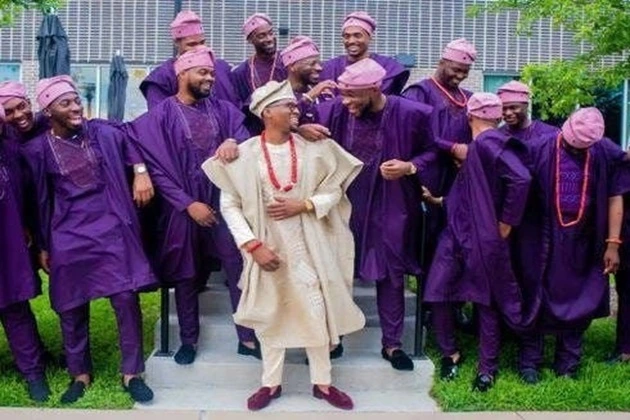
From Ghanaian kente to Nigerian Aso Ebi, traditional African clothing has become a primary form of self-expression in the diaspora. Bright fabrics, intricate embroidery, and symbolic patterns are used at weddings, naming ceremonies, graduations, and festivals. In cities such as Atlanta, London, and Amsterdam, African fashion shows, outdoor boutiques, and cultural exhibitions showcase how these styles continue to evolve and thrive. Wearing traditional clothing is no longer limited to special occasions; it has also become a bold statement of fashion and identity.
2. Naming ceremony
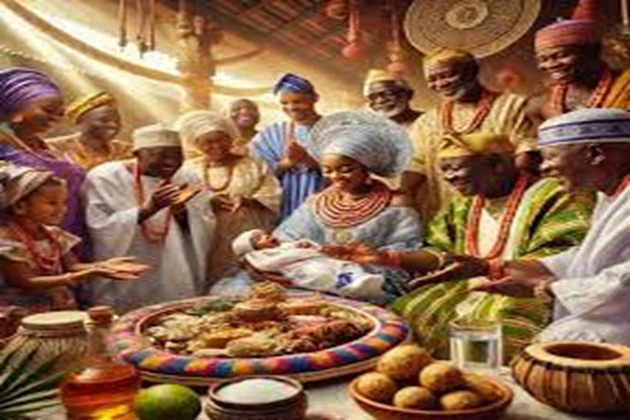
Another local African tradition is the naming ceremony. Known in the Yoruba language as isomoloruko and in Ghanaian culture as Camping, it is a spiritual and cultural ritual by which newborns are welcomed into the world. Visit. A F R I N I K . C O M . For the full article. These ceremonies are still deeply significant in the diaspora. Parents gather their loved ones to give them meaningful names; names that reflect history, hope, and legacy.
Even with modern options such as live streaming of the event or combining it with a birthday party, the essence remains the same: to introduce the child to their ancestral roots and community. African spirituality and ancestor worship have experienced a resurgence in the Diaspora communities. Traditions such as Ifa, Vodun, and Kemetic spirituality are practiced and studied by second- and third-generation descendants of Africans, especially in the United States, the Caribbean, and parts of Europe.
These practices, which are often misunderstood or misrepresented, are currently employed by those seeking to establish a closer connection with their heritage. Rituals, ancestral altars, and fortune-telling practices continue to bridge the gap between generations and geographic regions, offering healing and restoration of identity.
3. Cooking and storytelling

The tradition of cooking and storytelling together is also one of the most revered aspects of African culture abroad. Whether it’s the Nigerian jollof dinner, the Senegalese Thiéboudienne, or the Ethiopian Injera, food remains a sacred means of preserving culture. Combined with stories about migration, resilience, and memory, meals become a moment of cultural enlightenment. Community picnics, festivals, and culinary channels of the African diaspora on YouTube all contribute to the global spread of African cuisine and oral heritage.
4. Dance and music
African dance and music are undoubtedly among the most influential cultural trends on the continent. From Azonto and Amapiano to Afrobeats and Makossa, African rhythms have conquered clubs, TikTok, and international competition stages. Dance classes, drumming clubs, and African dance competitions are common in the diaspora, especially among young people. These forms of cultural expression help bridge the gap between generations, inspire joy, and spread African pride globally.
African traditions are not only not disappearing, but are also being revived in the diaspora with a special flavor, pride, and innovation. They are evidence of the sustainability of culture and serve as threads linking together the past and the present. By preserving these traditions, Africans abroad are not just holding onto their roots; they are sowing new seeds for future generations that will strengthen their identity and pride.